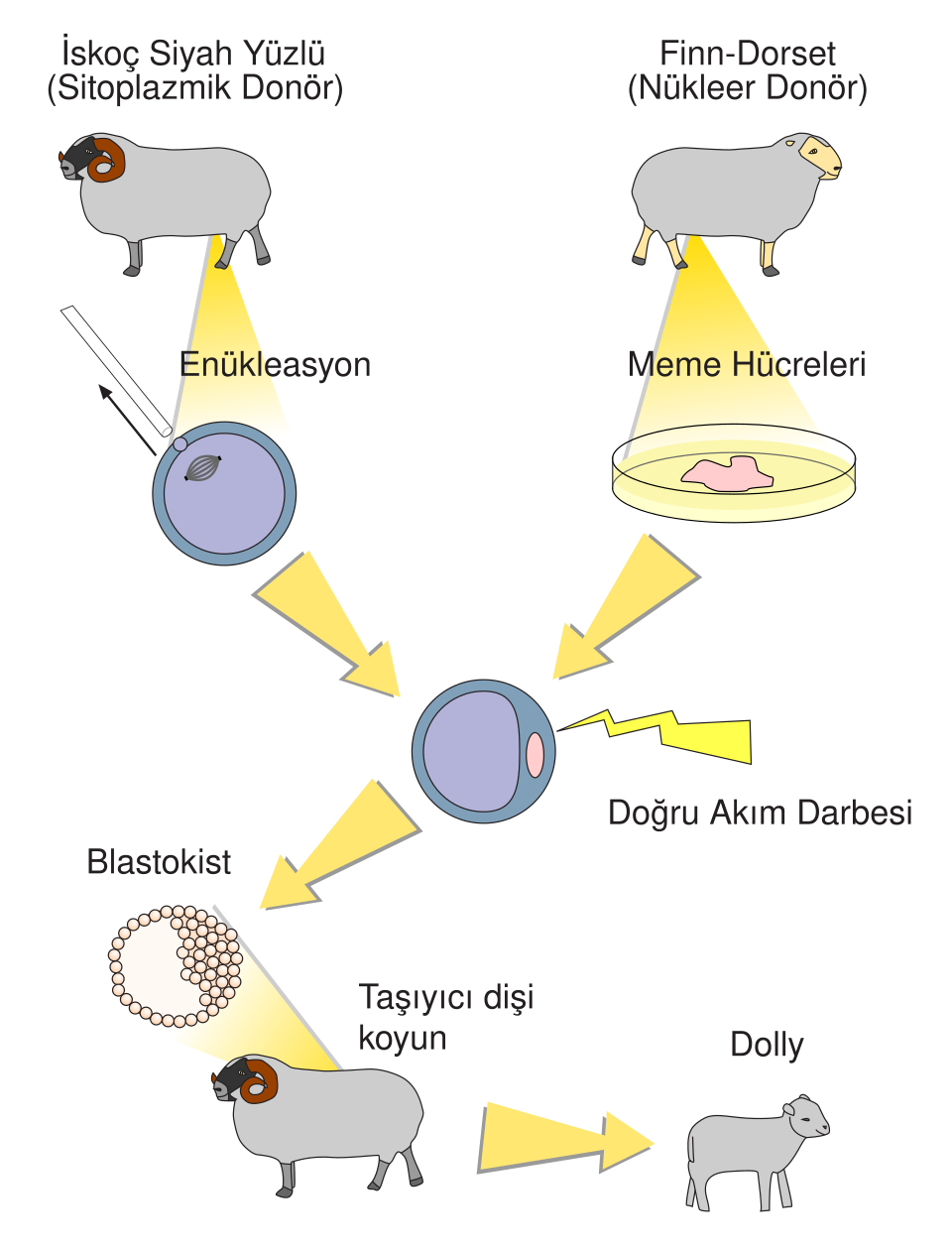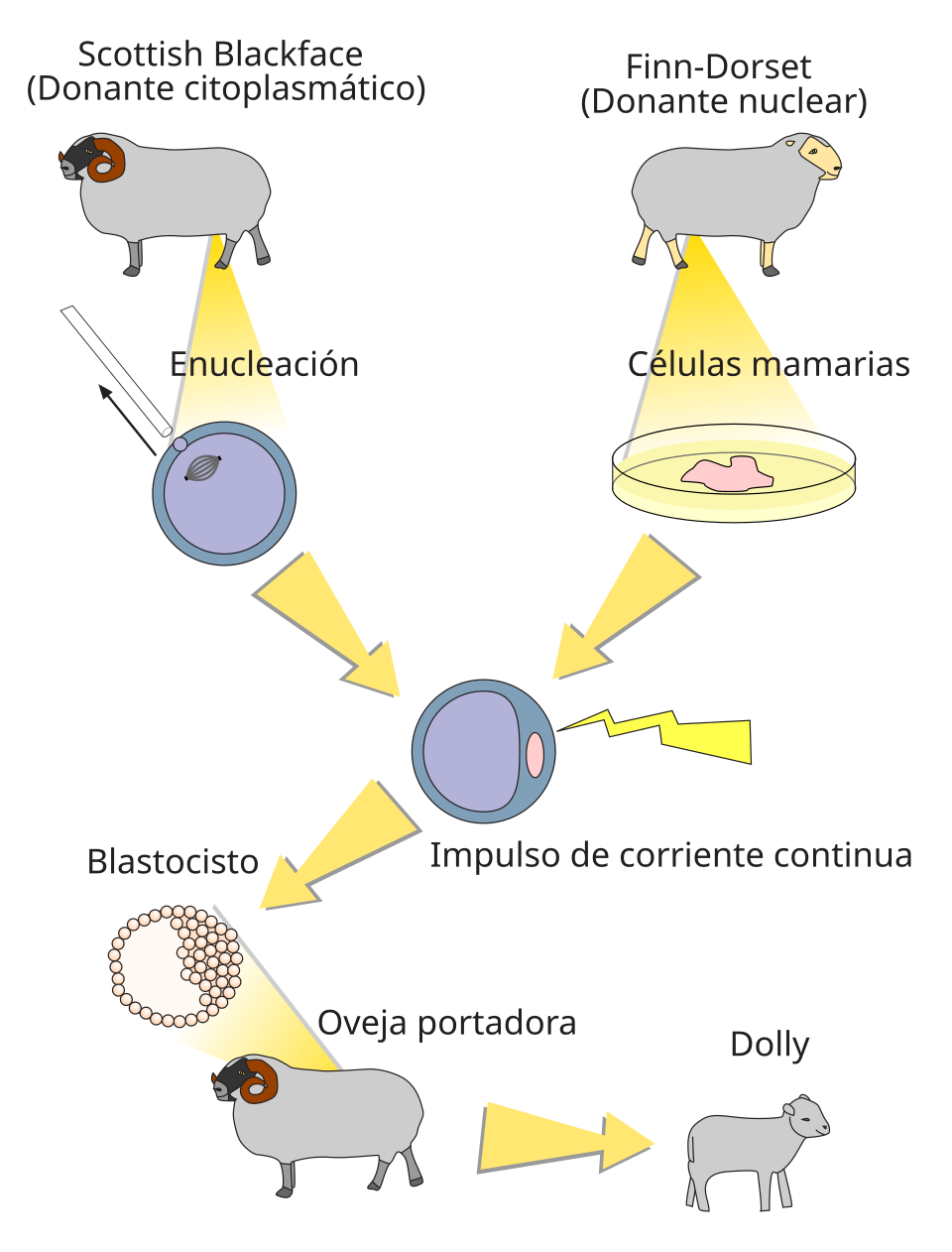
A clone is supposed to be a genetic carbon copy. But an extraordinary two-decade experiment has shattered that assumption, revealing that clones carry far more mutations than naturally reproduced animals — and that re-cloning amplifies the damage until it becomes fatal.
The study, led by Teruhiko Wakayama at Yamanashi University in Japan, began in 2005 as a quality check on mouse-cloning techniques. Wakayama's team cloned mice from clones, generation after generation, to see how well the copies held up over time. By 2013 they had produced more than 500 apparently healthy mice across 25 generations, and Wakayama believed the process could continue indefinitely.
It couldn't. As New Scientist reported, the success rate steadily declined until, at the 58th generation, none of the clones survived. When the team sequenced the genomes of mice from various generations, they found an average of more than 70 mutations per generation — three times the rate seen in mice that reproduced naturally. Large-scale genetic errors began piling up in later generations, eventually crossing a threshold incompatible with life.
The findings raise pointed questions about the source of those extra mutations. One possibility is that the adult body cells used in cloning simply carry more accumulated damage than egg or sperm cells. But Wakayama suspects the cloning process itself introduces at least some of the errors. "Unfortunately, while clones were once thought to be identical to the original, it has become clear that this is not the case," he said.
The implications extend well beyond the laboratory. Cloning is already used in livestock breeding and is being explored as a tool for rescuing endangered species and even resurrecting extinct ones. If the technique inherently introduces genetic instability, each of those applications will need to account for a problem no one fully anticipated. And any future discussion of human cloning technology must now contend with the reality that copies are never truly identical — and that repeated copying can be a death sentence.