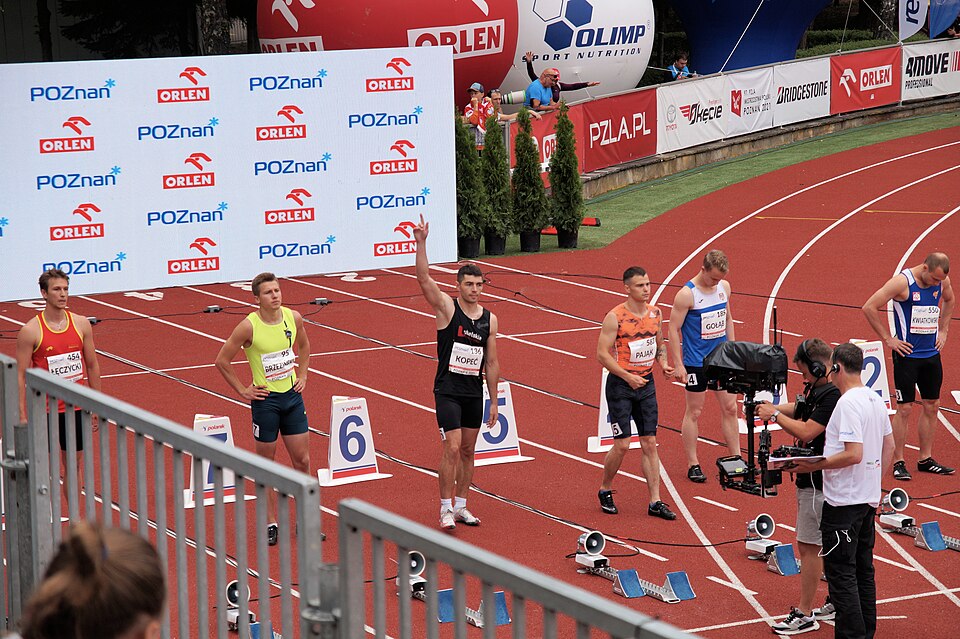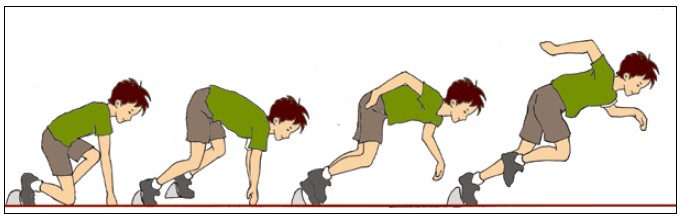
For decades, sprint coaches have searched for the perfect running technique — a single biomechanical blueprint that every athlete should follow. A new international study says that search has been misguided.
Published in Sports Medicine, the research takes a dynamical systems approach to sprinting, arguing that speed doesn't come from mimicking an ideal form. Instead, it emerges from the complex interaction between an individual athlete's body, coordination, strength, limb mechanics, and training history. The study was led by Flinders University in collaboration with ALTIS, Johannes Gutenberg University, and Nord University.
"For decades, sprint coaching has often been based on the belief that all athletes should move in one prescribed way," said lead author Dr. Dylan Hicks, a movement scientist at Flinders' College of Education, Psychology and Social Work, as reported by Science Daily. "But our research shows that sprinting is far more complex. The best athletes in the world don't all run the same."
The study highlights rising Australian sprint talent Gout Gout as a case in point. Though often compared to Usain Bolt, Gout Gout's speed stems from his own distinct combination of longer limbs, elastic muscle qualities, and remarkable coordination — not from copying Bolt's mechanics. Dr. Hicks emphasized that coaches cannot simply instruct another athlete to replicate what Gout Gout does. Instead, the goal should be to understand the principles behind elite coordination and help each athlete discover their own optimal movement pattern.
The findings could reshape how countries identify and develop sprinting talent. Rather than filtering athletes through a narrow technical model, coaches may be better served by recognizing individual physical strengths and building training programs around them. It's a shift from one-size-fits-all to something far more personalized — and, the researchers argue, far more effective.