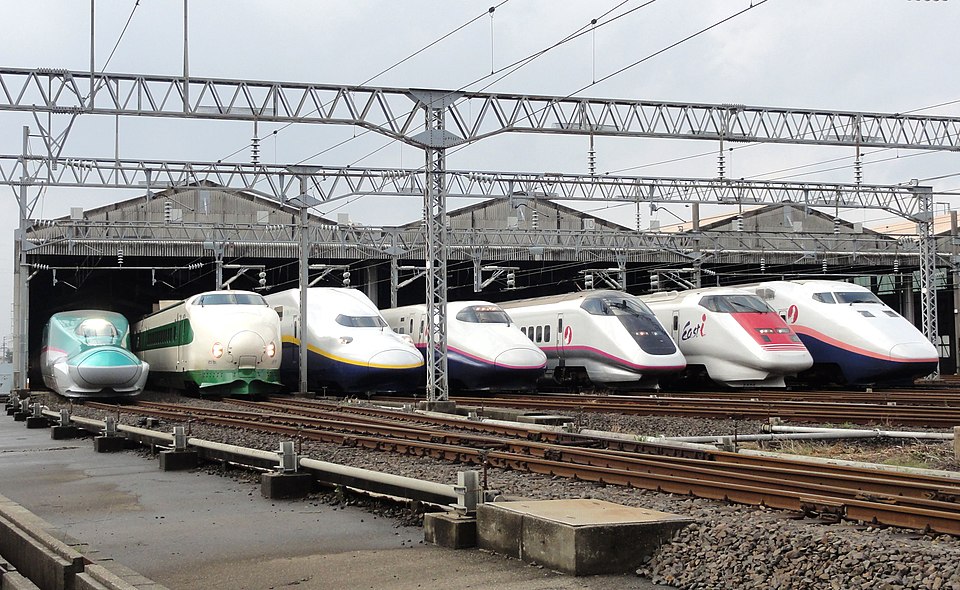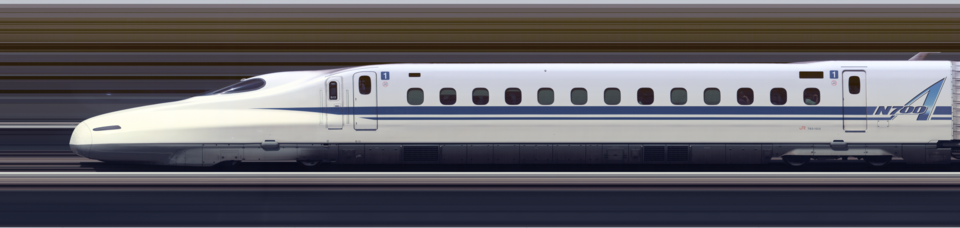
High-speed trains have transformed travel across much of the world over the past half century, slashing journey times while driving economic growth and knitting communities together. China, Japan, and Europe lead the way. The United States, despite being the world's largest economy with an increasingly urbanized population exceeding 300 million, has largely sat on the sidelines.
China has built roughly 26,000 miles of dedicated high-speed railways since 2008 and plans to surpass 43,000 miles by 2035. The United States, by contrast, has just 375 route-miles of track cleared for operation above 100 mph. "Many Americans have no concept of high-speed rail and fail to see its value. They are hopelessly stuck with a highway and airline mindset," William C. Vantuono, editor-in-chief of Railway Age, told CNN.
The roots of America's rail gap stretch back decades. Cars and airliners dominated long-distance travel starting in the 1950s, rapidly displacing a network of luxurious passenger trains with names like "The Empire Builder" and "Super Chief." By the early 1970s, famous railroads such as the New York Central were largely bankrupt, handing over their money-losing passenger services to Amtrak. In the years since, US freight railroads have flourished while passenger rail languished as a low priority for lawmakers.
Powerful airline, oil, and auto industry lobbies have spent millions maintaining the status quo, but their position is weakening. Environmental concerns and worsening congestion on highways and at airports are shifting the conversation. President Biden's $1.2 trillion infrastructure bill included an unprecedented $170 billion for railroad improvements, some of which is earmarked for repairing Amtrak's aging Northeast Corridor between Boston, New York, and Washington.
There are also ambitious plans to restore passenger train service to cities and regions that haven't seen one in decades. The privately funded Brightline operation in Florida has added momentum, demonstrating that modern rail can attract riders even in car-centric America. Whether these investments will be enough to close the gap with global leaders remains an open question — but the conversation, at least, is finally gaining speed.