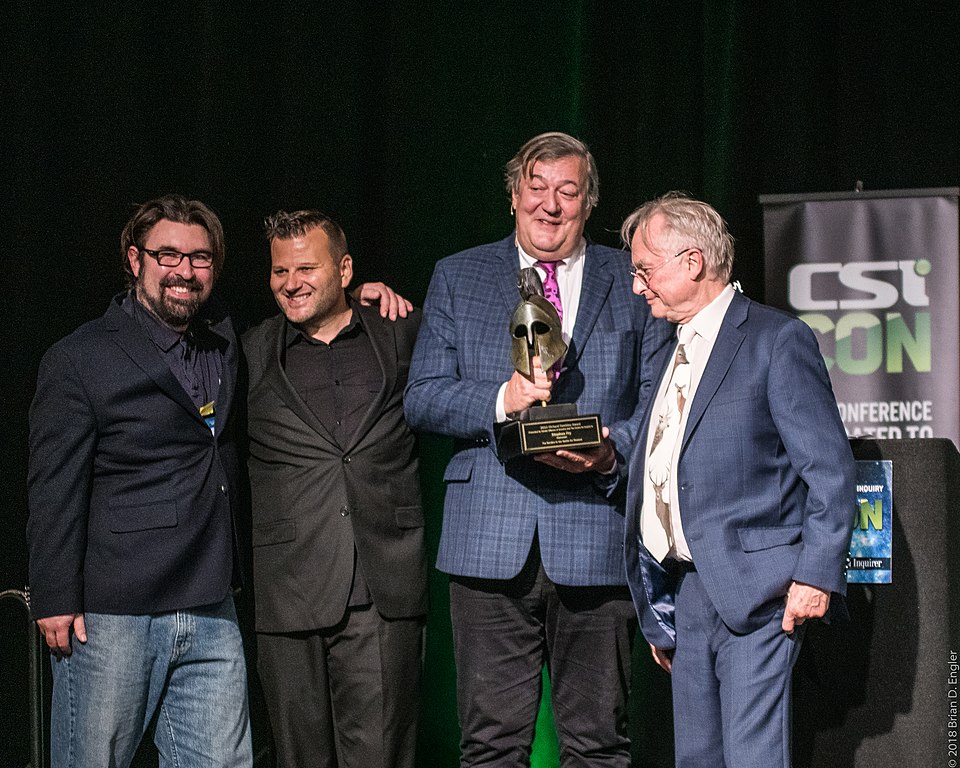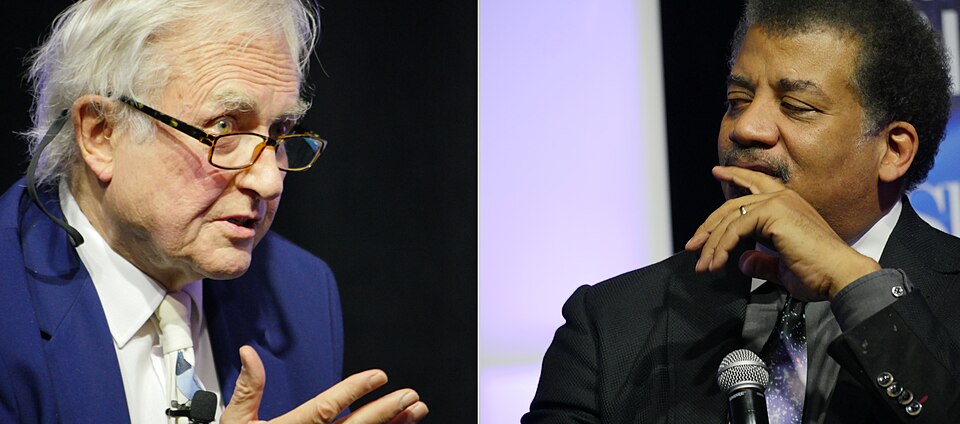
Half a century ago, Richard Dawkins published *The Selfish Gene* and permanently changed how millions of people think about evolution. The book, born from an idea Dawkins developed while teaching a lecture on animal behavior, became a global bestseller and introduced concepts that have since permeated both science and popular culture — including the word "meme."
As New Scientist notes in a retrospective, the book's core insight remains strikingly relevant at 50. Dawkins did not discover the gene-centered view of evolution. Biologists like George Williams and W.D. Hamilton had already laid the mathematical groundwork showing how apparent altruism in nature — sterile worker ants sacrificing reproduction to serve a queen, vampire bats sharing blood meals — could be explained when evolution was viewed from the gene's perspective. What Dawkins did was translate that framework into vivid, accessible prose that anyone could grasp.
Before *The Selfish Gene*, popular understanding of evolution was muddled by ideas that organisms behaved "for the good of the species." Dawkins dismantled that notion. From the gene's-eye view, a worker ant helping her mother raise siblings isn't being selfless — she's propagating her own genetic material. The metaphor of the selfish gene made this logic intuitive.
Darwin himself had sensed the truth without the tools to articulate it fully. He recognized that insect colonies posed a problem for his theory of individual competition and proposed that the family was effectively the individual in social species. It was, as the retrospective puts it, "a fudge, but he was on the right lines." It took another century of genetics and mathematical biology to formalize what Darwin had guessed.
The book undeniably shows its age in places, but its influence is hard to overstate. By democratizing evolutionary biology, Dawkins gave a general audience the conceptual vocabulary to understand why living things look and behave the way they do — a gift that continues to shape scientific literacy five decades later.