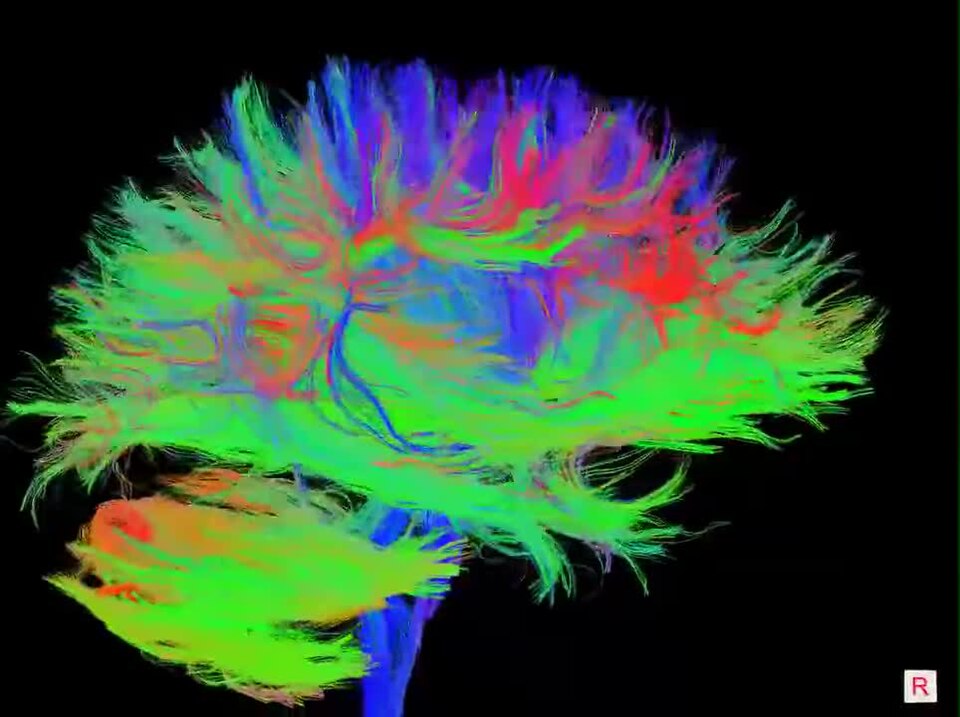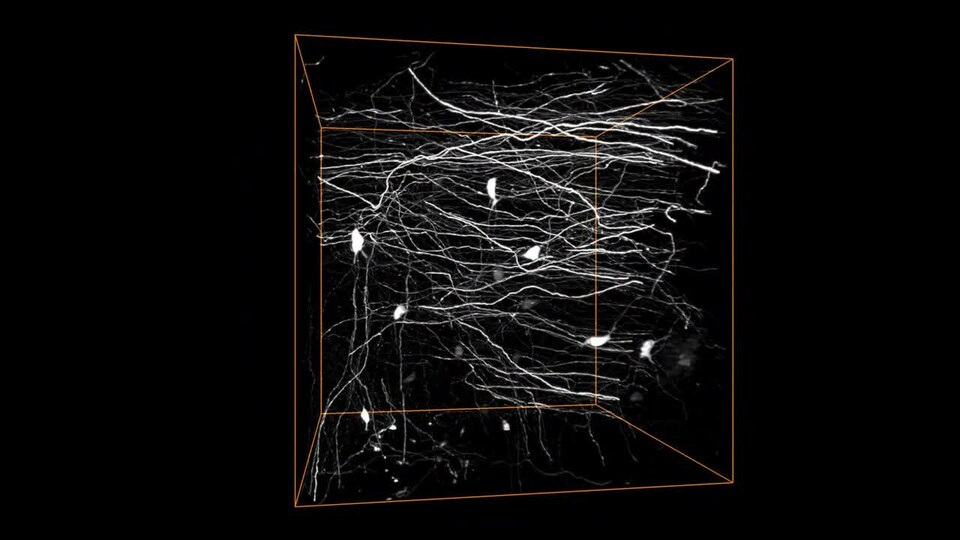
A startup called Nectome has developed a technique for preserving the physical architecture of the brain in the minutes after death, with the audacious goal of one day enabling resurrection. Tested so far in pigs but soon to be offered to humans, the procedure would create a detailed map of the brain's "connectome" — the three-dimensional web of neural connections that defines its structure. The hope is that this map could eventually be used to reconstruct a person's mind.
The catch, as New Scientist reports, is enormous. Scientists have no idea how to create a working consciousness from a connectome, and it remains unclear whether doing so is even theoretically possible. Consciousness itself is still one of the deepest mysteries in science, famously encapsulated by what philosophers call the "hard problem" — explaining why and how physical processes in the brain give rise to subjective experience.
Even setting aside the consciousness question, daunting hurdles remain. Could a brain be recreated digitally on a computer, or would it need to be rebuilt in biological form? And there are immediate legal obstacles: Nectome's technique requires the subject to undergo medically assisted death, which is illegal in most of the world. The company's pitch, in essence, asks customers to place a bet on the far future — that these problems will eventually be solved, even if it takes centuries.
Philosophical questions loom just as large as the technical ones. There is no way to know whether an entity reconstructed from a preserved brain would truly be a continuation of its original owner, or merely a copy that believes itself to be. And even if the technology were perfected, future generations might simply choose never to revive the preserved minds. For billionaires and ordinary people alike, death remains the one boundary that money cannot yet cross — though Nectome is wagering that "yet" is the operative word.