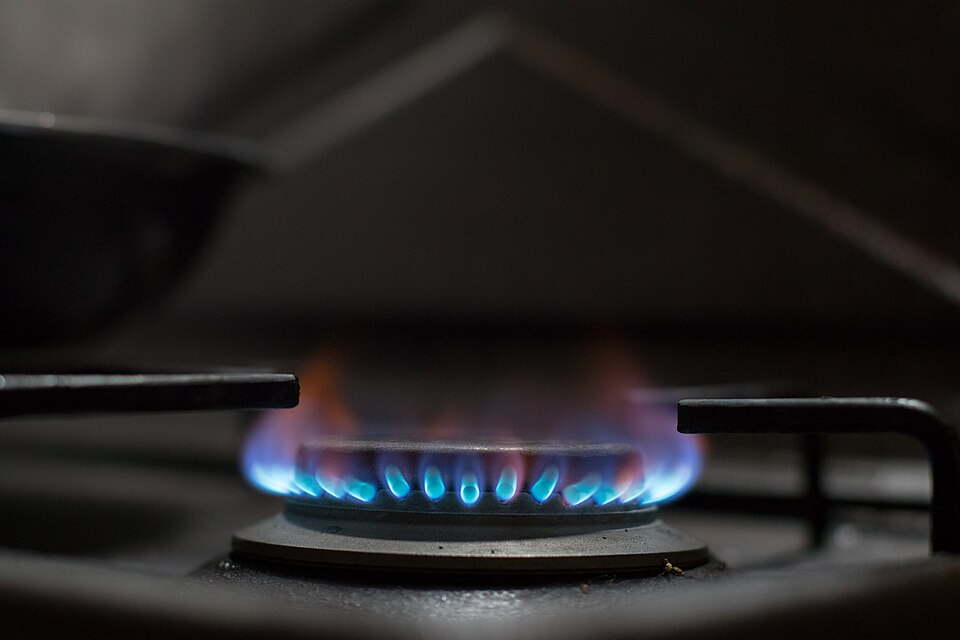
Many European homes harbor an invisible health risk: slow, steady leaks of cancer-causing benzene seeping from gas cookers and ovens. A new study found that nearly 10 percent of homes tested in the UK, the Netherlands, and Italy had leaks large enough to push benzene exposure past official safety limits — though researchers caution there may be no truly safe level of the chemical.
"It's akin to living with a smoker," Drew Michanowicz at the research institute PSE Healthy Energy told New Scientist. "Secondhand smoke creates a similar level of benzene indoors." His team collected gas samples from cookers in 72 homes across the three countries and found benzene concentrations dramatically higher than levels measured in the United States — 9 times higher in Italy, 37 times higher in the UK, and 66 times higher in the Netherlands.
Benzene, a volatile organic compound naturally present in natural gas, is a well-established carcinogen. It can trigger cancers, particularly leukemia, while also suppressing the immune system and causing anaemia. Previous research had detected high benzene levels in North Sea and Dutch natural gas, but this study is among the first to estimate what that means for people cooking dinner in their own kitchens.
The findings add to a growing body of evidence linking gas stoves to poor indoor air quality. Nicola Carslaw at the University of York, who was not involved in the study, noted that the significance of the leaks depends heavily on individual household ventilation and behavior. Still, she acknowledged gas leakage could be "a potentially important source of benzene" in many homes.
For some experts, the answer is straightforward. "Given the dual benefit of reducing a potential health risk and decarbonisation, it's worth moving away," said Paul Monks at the University of Leicester. Induction cooktops are more energy-efficient and eliminate the risks of indoor pollution, fires, and gas explosions. But the shift won't be simple — many cooks remain deeply attached to gas flames.