Blue Origin achieved a significant first on Sunday morning when it successfully relaunched and landed an orbital-class rocket booster — only to have the mission undercut by a failure of the vehicle's upper stage. The mixed result highlights both the promise and the persistent challenges facing Jeff Bezos' flagship rocket program.
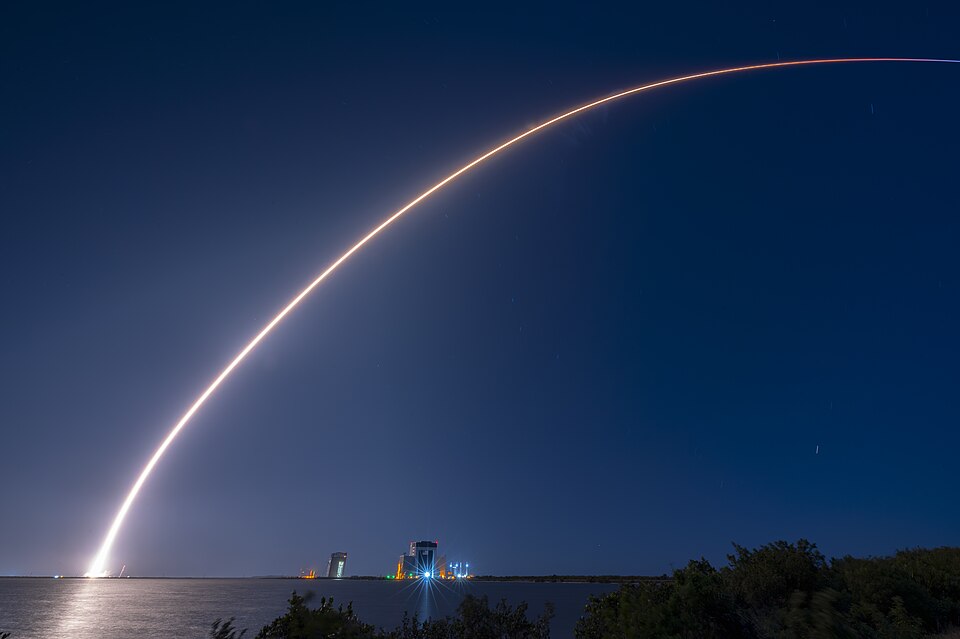
The 321-foot-tall New Glenn lifted off from Cape Canaveral Space Force Station in Florida at 7:25 a.m. EDT, its seven methane-fueled BE-4 engines generating more than 3.5 million pounds of combined thrust. The booster, nicknamed "Never Tell Me The Odds," had first flown in November and was making its second trip to space. Less than 10 minutes after liftoff, it touched down on a landing platform in the Atlantic Ocean roughly 400 miles southeast of the launch site.
The landing was a landmark moment. While Blue Origin has landed and reused its smaller suborbital New Shepard vehicle many times, New Glenn flies far higher and faster and stands three times taller. Technicians had installed new engines on the booster for Sunday's flight, but CEO Dave Limp said the company intends to reuse the original November engines on future missions, as reported by Ars Technica.
The celebration was short-lived. After stage separation, the upper stage — powered by two BE-3U engines burning liquid hydrogen and liquid oxygen — experienced a failure that prevented the mission from reaching its intended conclusion. The setback is especially significant because New Glenn is a key element in NASA's Artemis lunar program, which depends on reliable heavy-lift vehicles to support future crewed missions to the Moon.
The competitive pressure is real. SpaceX has demonstrated the ability to turn around a Falcon 9 booster for reflight in as few as nine days and can launch five or more times per week using a fleet of reusable first stages. Blue Origin officials believe that mastering booster reuse will dramatically accelerate their own launch cadence, but Sunday's upper stage problem is a reminder that the road to routine operations remains long. The company will need to resolve the anomaly before New Glenn can fulfill its growing manifest of government and commercial missions.