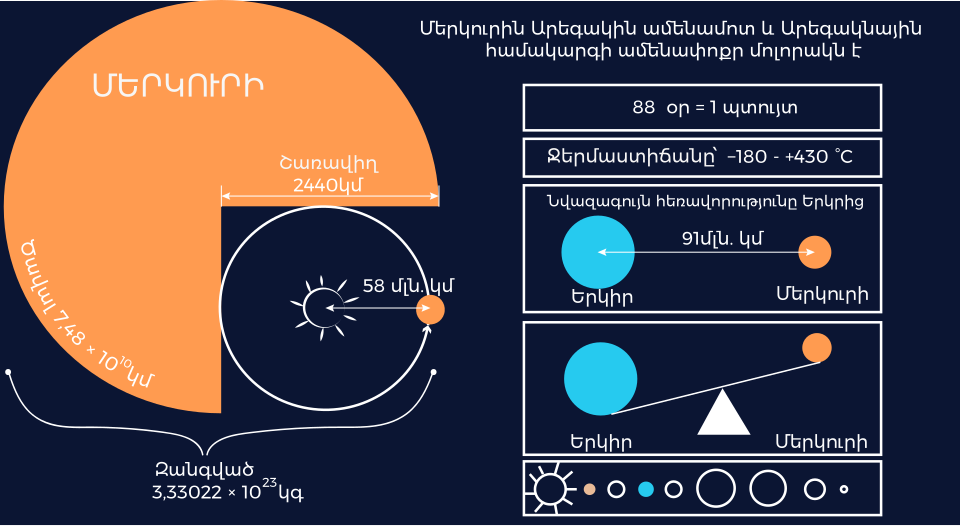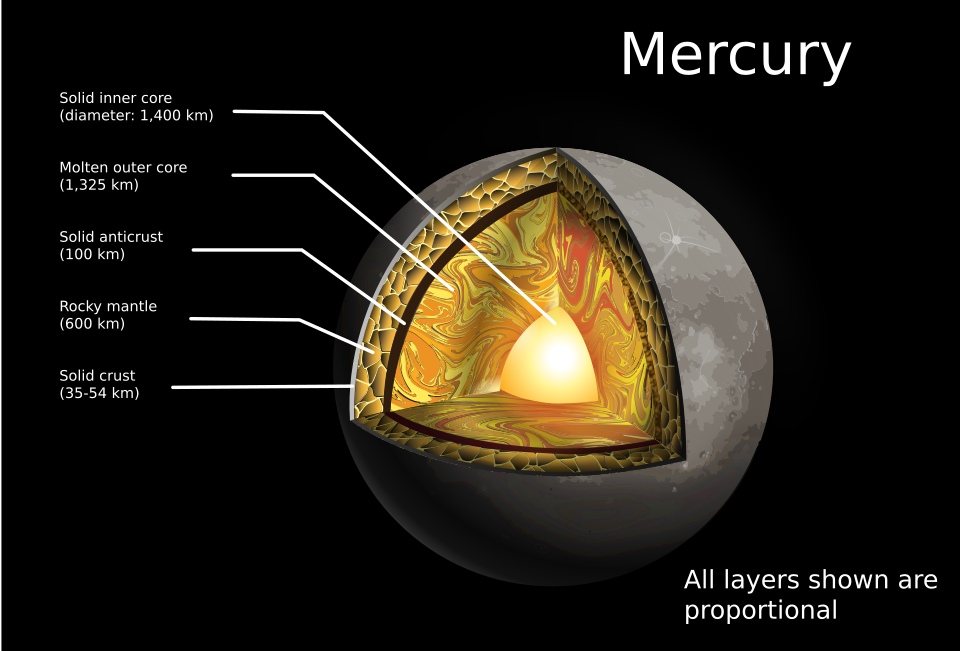
Mercury may be Earth's closest planetary neighbor in the inner solar system, but its geology is profoundly alien. New laboratory experiments show that sulfur-rich magmas on Mercury behave in ways that have no parallel on our home planet — staying molten at far lower temperatures and forming chemical bonds that simply don't occur in Earth's iron-rich rocks.
The key to the discovery was an unlikely tool: a meteorite called Indarch that fell in Azerbaijan in 1891. Researchers at Rice University realized that Indarch's chemical composition closely mirrors Mercury's iron-poor, sulfur-rich, and highly reduced crust. "We couldn't study its magmatic evolution using assumptions built off our understanding of Earth," said Rajdeep Dasgupta, director of the Rice Space Institute Center for Planetary Origins to Habitability, as reported by Phys.org. Instead, his team used Indarch as a recipe to cook synthetic Mercury rocks under extreme pressure and temperature.
Postdoctoral researcher Yishen Zhang, the study's first author, mixed Indarch's chemical ingredients and subjected them to conditions matching those on Mercury. What he found was striking. Sulfur dramatically lowers the temperature at which reduced melted rocks begin to crystallize. That means Mercury's magmas could remain liquid at temperatures where equivalent Earth magmas would already be solid.
The reason lies in sulfur's chemical restlessness. On iron-rich worlds like Earth and Mars, sulfur binds preferentially to iron. But Mercury has very little iron, forcing sulfur to seek other partners — specifically rock-forming elements like magnesium and calcium that would normally bond with oxygen. The result is an entirely different mineral chemistry, one that reshapes how scientists understand volcanic activity and crustal formation on the smallest rocky planet. The findings, published in the journal Geochimica et Cosmochimica Acta, offer a new framework for interpreting data from past and future Mercury missions without relying on Earth-centric assumptions.