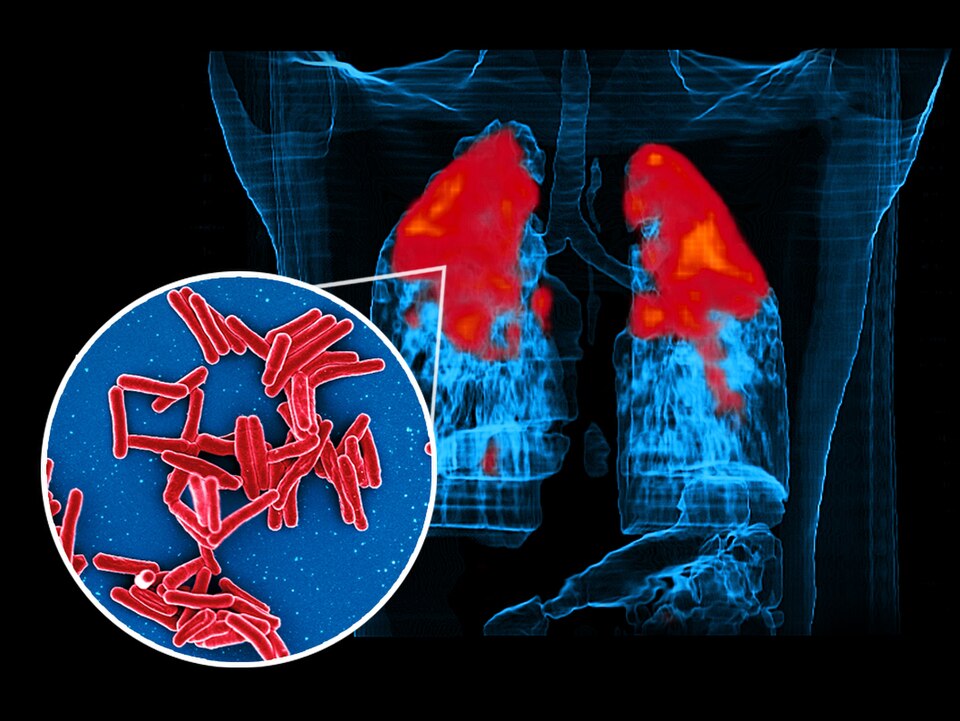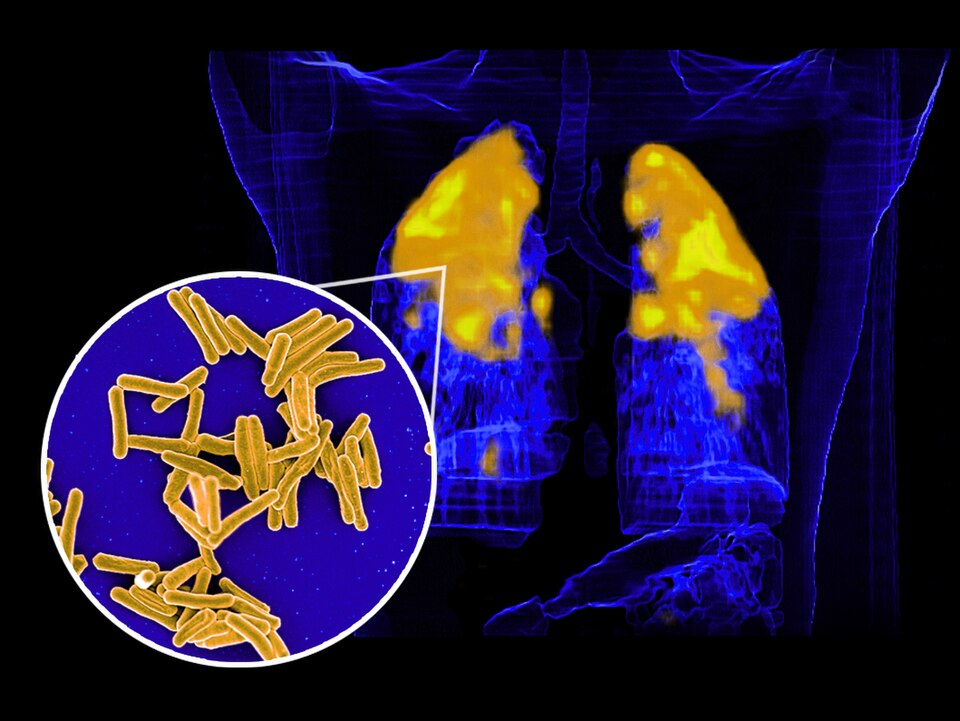
Texas Biomedical Research Institute has established a new Tuberculosis Innovation and Technology Fund, directing dedicated resources toward a disease that remains the deadliest infectious illness in the world. The fund is designed to speed up research and improve treatments for tuberculosis, which continues to claim millions of lives each year despite being both preventable and treatable.
TB kills more people globally than any other single infectious disease, a fact that has persisted even as the medical world's attention has shifted toward newer threats. Texas Biomed, based in San Antonio, has long been one of the country's leading institutions for infectious disease research, and the new fund represents a formal commitment to closing the gap between existing science and the tools clinicians actually need.
The fund will support innovation in diagnostics, drug development, and vaccine research. The goal is not only to generate new science but to move discoveries more efficiently toward practical use, according to BioSpace. That translation gap, where promising laboratory findings stall before reaching patients, has been one of the persistent frustrations in global TB control efforts.
Tuberculosis is caused by the bacterium Mycobacterium tuberculosis and spreads through the air when infected individuals cough or breathe. It disproportionately affects people in low- and middle-income countries, and drug-resistant strains have made treatment increasingly difficult. Standard treatment already requires months of antibiotic therapy, and resistant forms can demand years of more toxic drug regimens.
Texas Biomed's move comes as global health organizations have been pressing for renewed investment in TB research, arguing that funding levels have never matched the scale of the disease's burden. The World Health Organization has repeatedly flagged TB as a priority pathogen, but research dollars have historically flowed more heavily toward diseases with larger markets in wealthier nations.
The institute has not disclosed a specific dollar figure for the fund's initial capitalization. What it has made clear is that the fund is intended to be an ongoing mechanism for attracting investment, partnerships, and philanthropic support specifically focused on tuberculosis, rather than a one-time grant pool.