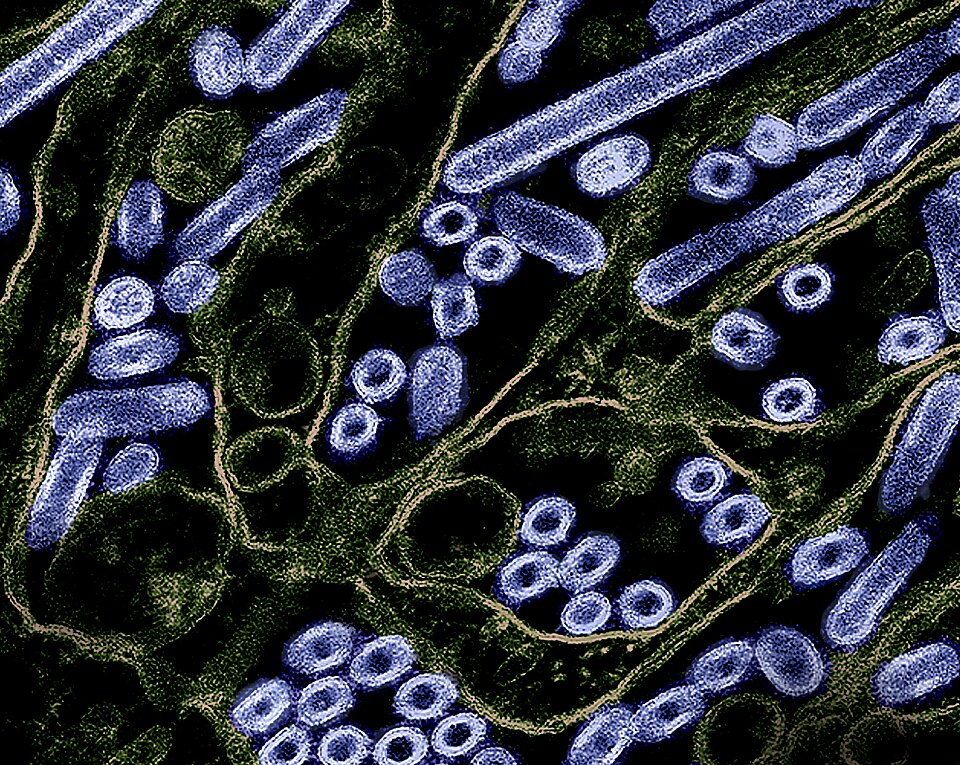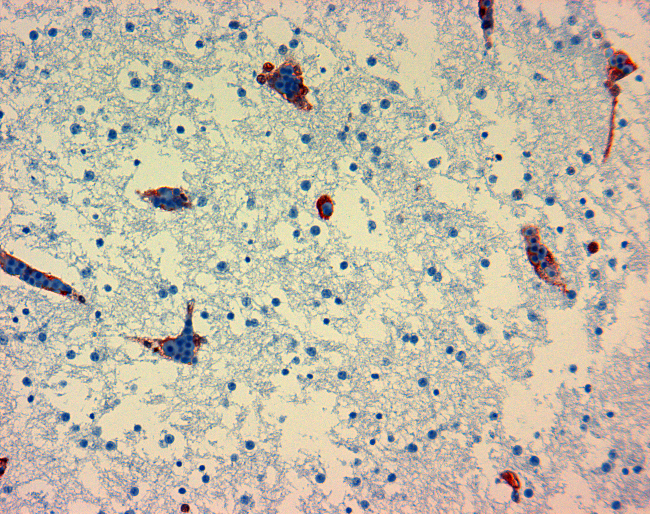
A new vaccine approach developed at the University of Nebraska–Lincoln has produced complete protection against severe H5N1 bird flu in both mice and dairy calves, offering a potential path forward for a disease that has reshaped American agriculture over the past four years.
The vaccine was developed by virologist Eric Weaver and his colleagues at the Nebraska Center for Virology. Their findings were published in npj Vaccines. There are currently no licensed H5N1 vaccines for cattle, and the stakes are high: since 2022, highly pathogenic avian influenza has led to the culling of more than 166 million commercial poultry birds in the United States alone.
The situation grew more urgent in 2024, when H5N1 made an unprecedented jump into dairy cattle. That spread then caused illness in roughly 70 farm workers who had close contact with infected animals. Weaver said he had hoped the cattle outbreak would burn out on its own.
"When the outbreak began, my hope was that this would cycle through dairy cattle and be gone, but that didn't happen," Weaver said. "It got progressively worse and I was worried."
His lab had actually begun early work on this problem in 2005, though the most recent publication before this one was about a decade ago. When the cattle outbreak accelerated, the team moved quickly. They obtained calves for testing in early 2025.
The calves were vaccinated at one week of age using a two-part delivery system: an intramuscular injection and an intranasal dose. A booster followed four weeks later. The dual approach was deliberate. The injection was designed to prevent the virus from spreading through the body, while the nasal component was meant to block animal-to-animal transmission. Vaccinated mice, tested separately, were fully protected against lethal infection from multiple H5N1 strains.
"The idea was that if we put it intramuscularly, we could prevent it from spreading in the body, and then a mucosal aspect, intranasally, would prevent it from spreading from animal to animal," Weaver said.
The vaccine platform is built to protect against multiple H5N1 strains and to generate immunity in both the bloodstream and the respiratory tract. That breadth matters because the virus continues to evolve.
Weaver's next steps include evaluating the vaccine across multiple species. Protecting cattle from H5N1 would reduce economic losses for producers, but it could also limit the virus's opportunities to adapt in ways that make it more dangerous to humans. Weaver said the data suggest the platform could work in people as well.
"We'd like to have a vaccine for the farm and the farmer, and everything shows that this would be an effective vaccine platform for humans as well," he said.
The research involved postdoctoral fellows Joshua Wiggins and Adthakorn Madapong, working within the School of Biological Sciences alongside Weaver's team and Nebraska's animal care staff.