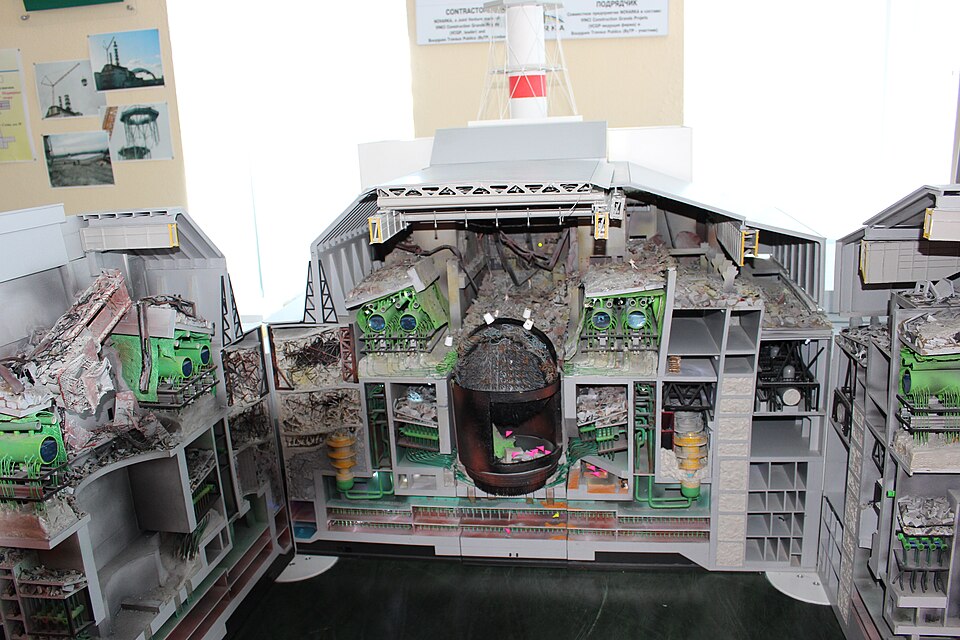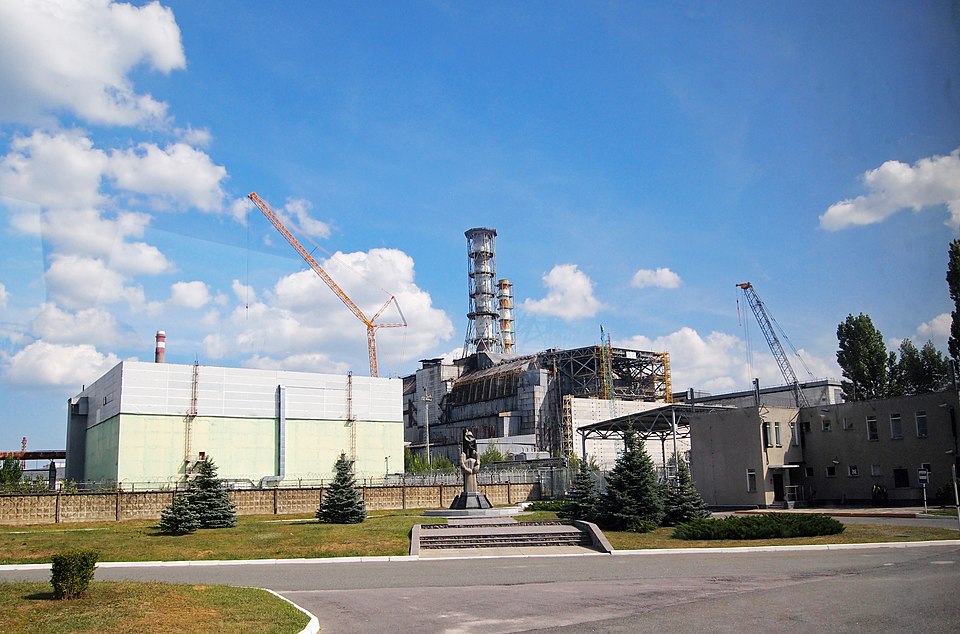
At 1:23 a.m. on April 26, 1986, two back-to-back steam explosions tore through Reactor 4 at the Chernobyl Nuclear Power Plant in what is now Ukraine. The blasts blew the roof off the building and sent radioactive material high into the atmosphere. The debris ignited a massive fire. It remains the worst nuclear accident in human history.
The disaster began not with negligence but with a test. Operators at the plant wanted to know whether, during a power outage, the momentum of the spinning turbines could keep coolant water circulating long enough for emergency diesel generators to start up. The answer, it turned out, was catastrophic.
The test was supposed to run on Reactor 4 before it went offline for scheduled maintenance. Operators began reducing power around 1 a.m. on April 25. But a grid operator in Kyiv intervened. The electricity network needed power, so the reactor was held at half-capacity for roughly nine hours, from 2 p.m. to around 11 p.m. That delay had a critical consequence: it allowed xenon gas to accumulate inside the reactor, making it chemically unstable and difficult to control.
By the time the test finally resumed, a less-experienced night crew had taken over. The reactor's power had dropped far too low. Rather than waiting and stabilizing the system, operators tried to compensate by withdrawing nearly all of the control rods, which are the physical mechanisms designed to slow the fission reaction by absorbing neutrons. That move left almost nothing to buffer the chain reaction.
Power levels swung wildly. Operators scrambled, adjusting feedwater levels and taking other emergency measures in an attempt to stabilize things. Then a power surge hit, reaching roughly 100 times the normal operating level. Someone gave the order to insert all 211 control rods at once. They jammed before they could go in fully.
The fission reaction ran unchecked. Steam pressure built faster than the system could handle. The first explosion ruptured the reactor vessel. The second, moments later, may have involved a partial nuclear excursion, though the exact nature of the second blast has been debated by scientists for decades. Together, the two explosions destroyed the reactor and shredded the building above it.
Radioactive graphite and reactor fragments were flung across the plant grounds. The fire that followed burned for days. Firefighters who responded in the first hours had no idea what they were walking into. Many received fatal radiation doses before the nature of the accident was understood.
Hundreds of thousands of people were eventually evacuated from the surrounding area, including the city of Pripyat, which sat just a few kilometers from the plant. The radioactive plume drifted across much of Europe. The Soviet government initially attempted to suppress information about the accident before the scale of the contamination made concealment impossible.
The exclusion zone around the plant remains largely uninhabited today, though the site has become a destination for researchers studying long-term radiation effects on ecosystems. A massive steel containment structure, completed in 2016, now covers the remains of Reactor 4 to prevent further release of radioactive dust. The other three reactors at the Chernobyl plant continued operating for years after the disaster, with the last one finally shut down in 2000.