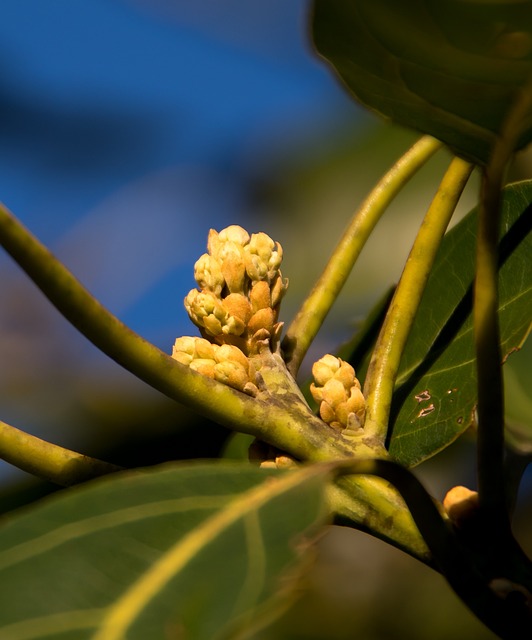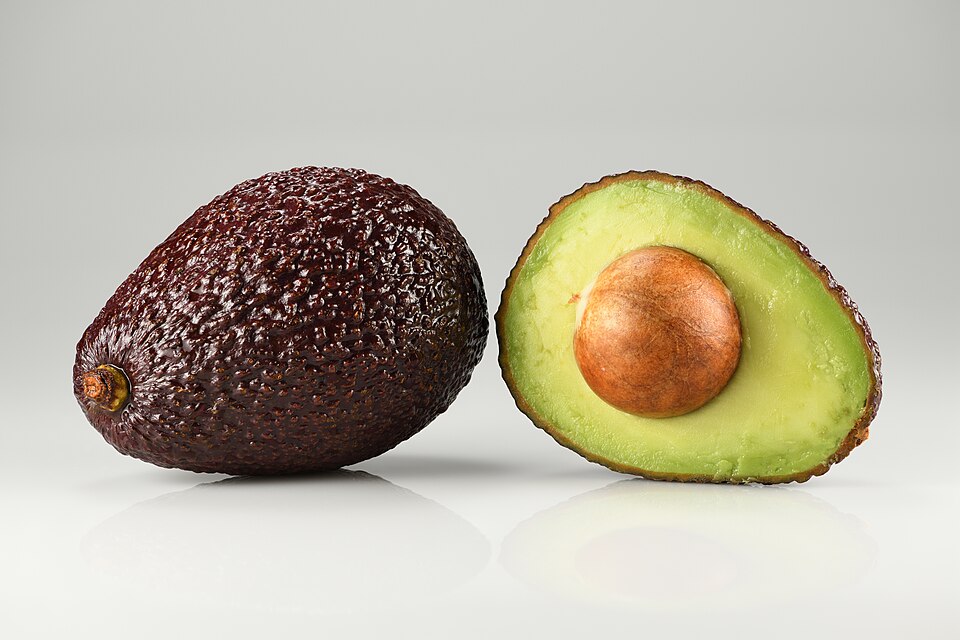
Scientists have found a genetic switch that could cut years off the avocado breeding process. The gene tells researchers whether a young tree will develop an A- or B-type flowering pattern, and it can be read from a seedling's DNA long before the tree ever produces a flower.
The discovery was published in the Proceedings of the National Academy of Sciences. Researchers at UC Davis led the study, working with scientists at UC Riverside whose field observations, breeding collections and genetic analyses were central to the findings, according to Phys.org.
The flowering type of an avocado tree matters because A- and B-type trees pollinate each other. Avocado flowers all open first as female before reopening later as male. What separates A- and B-type trees is the timing of those two phases. Growers typically plant both types together so that when one type is releasing pollen, the other is ready to receive it. That timing mismatch between neighboring trees increases the chances of successful pollination and higher fruit yields.
Until now, there was no way to know which type a seedling would become without waiting for it to mature. That process can take five to ten years. The newly identified gene, known as SDMYB, is a floral transcription factor that controls this flowering behavior.
"This gives us a shortcut we've never had before," said Eric Focht, staff research associate in UCR's Department of Botany and Plant Sciences and a co-author of the study. "Instead of waiting years for a tree to flower, we can identify its flower type almost immediately using its DNA. That allows us to make much smarter breeding decisions."
First author Jeffrey Groh, who led the project as a doctoral student at UC Davis and is now a postdoctoral fellow at UC Berkeley, described the broader significance of the find.
"Our study provides a genetic explanation for a century-old mystery of avocado pollination," Groh said. "Flowers are not just static decorations; they are highly evolved and dynamic structures. We can see this in the pulsating rhythm of avocado flowers opening and closing throughout the day. Through the power of genetics, we can detect traces of this rhythm far into the ancient past."
For breeders, the practical change is immediate. Marllon Soares dos Santos, a postdoctoral researcher in UCR's Department of Botany and Plant Sciences, noted that the genetic marker can be put to use right away in breeding programs. Breeders will no longer need to grow out seedlings for nearly a decade just to confirm a basic trait before making pairing decisions.
The study adds a precise molecular tool to a field that previously relied entirely on observation and time.