For decades, Antarctica's sea ice was expanding. Then, in 2016, it collapsed — fast and dramatically — and has not recovered since. Scientists have now identified what triggered that sudden reversal, and the answer lies deep beneath the ocean's surface.
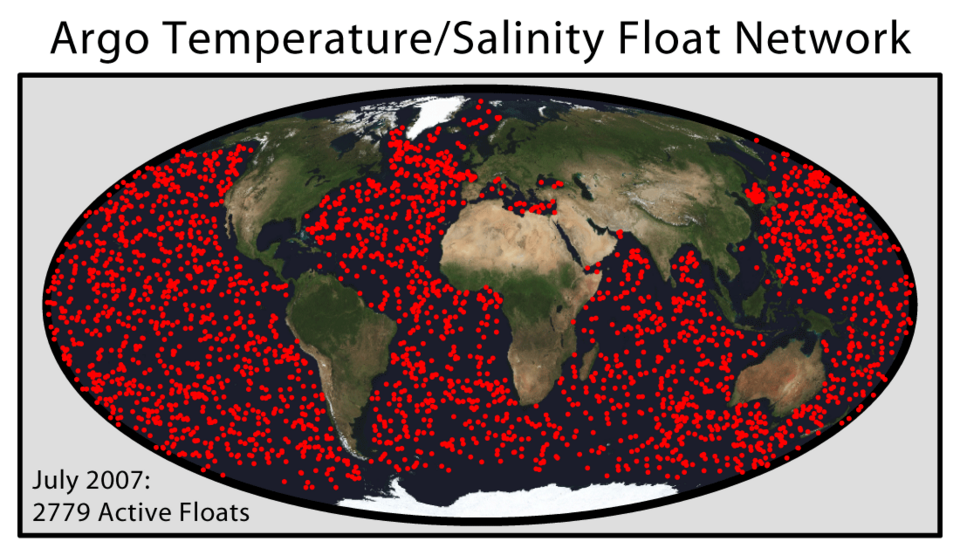
The key to cracking the mystery was a fleet of torpedo-shaped robots called Argo floats. Roughly the size of a human, these instruments sink thousands of feet into the ocean, sampling temperature and salinity as they go, then rise back to the surface and beam their data to satellites. Because they drift passively with ocean currents, they can gather continuous readings across vast stretches of remote, hostile sea. Over years of operation around Antarctica, they built up a detailed picture of what was happening far below the waves.
What they found points to a chain reaction rooted in salinity, heat, and wind.
In most of the world's oceans, the sun warms the surface while cold water pools at depth. Around Antarctica, the dynamic is reversed. Frigid air cools the surface, while warmer water circulates below. That arrangement keeps warmth trapped in the depths, away from the surface — and allows sea ice to form and expand.
From the 1970s through roughly 2016, that process was reinforced by increased precipitation, which made surface waters fresher. Because saltier water is denser, the contrast between the fresh surface layer and the salty depths created strong stratification. The warmer water below stayed locked down, and sea ice kept growing even as global temperatures rose.
Then the atmosphere intervened. Winds intensified and shifted, pushing surface waters away from the continent and churning the ocean layers together. The accumulated heat from below surged upward. "What we witnessed was basically this very violent release of all that pent up heat from below that we linked to the sea ice decline," said Earle Wilson, a polar oceanographer at Stanford University and lead author of the new paper.
Wilson and his colleagues say the wind shifts were likely driven at least in part by climate change, though the precise mechanisms continue to be studied. What is clear is that the stratification that had shielded Antarctic waters for decades broke down rapidly, and the sea ice followed.
The stakes go well beyond the Southern Ocean. Antarctica's floating sea ice acts as a buffer for the continent's vast land-based ice sheet. When sea ice retreats, warmer water gains direct access to glaciers and ice shelves, accelerating their melt. The Antarctic ice sheet holds enough water that, if it disappeared entirely, global sea levels would rise roughly 190 feet.
"One of the key takeaways from the study is that the ocean plays a huge role in sort of modulating how sea ice can vary from year to year, decade to decade," Wilson said. Understanding that role, and the feedback loops that can destabilize it, is now central to projecting what comes next for Antarctic ice and global sea levels.
The research draws on years of Argo float data and represents one of the most detailed looks yet at how subsurface ocean conditions have shaped Antarctic sea ice trends. Scientists say the findings underscore how seemingly stable systems can store up change quietly for years before releasing it all at once.