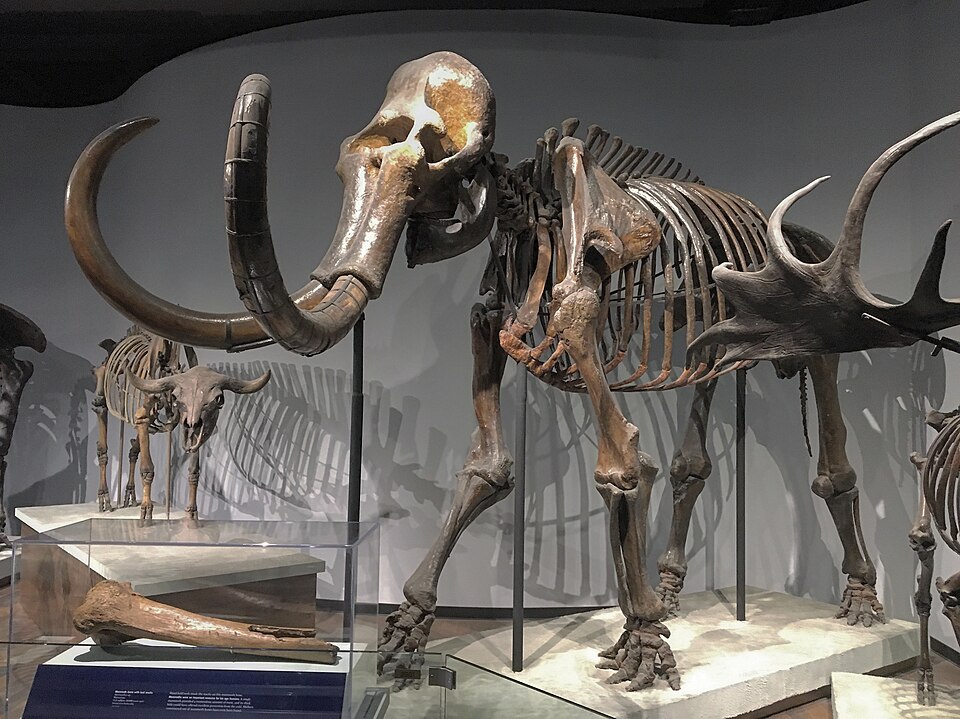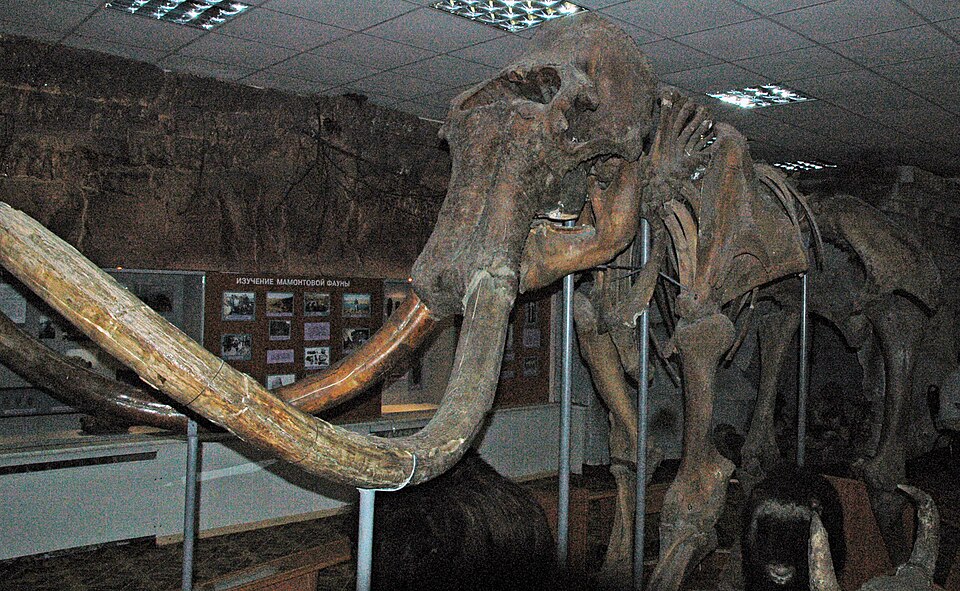
The Americas lost something irreplaceable roughly 10,000 years ago. Saber-toothed cats with seven-inch fangs. Elephant-sized sloths. Woolly mammoths with tusks stretching more than 12 feet. Even a three-ton wombat the size of a car. When these megafauna vanished at the end of the last ice age, they took more than their bulk with them. A new study published in the Proceedings of the National Academy of Sciences shows their absence is still distorting the structure of ecosystems today.
The research, led by Lydia Beaudrot of Michigan State University and first author Chia Hsieh, examined predator-prey relationships at 389 sites across tropical and subtropical regions of the Americas, Africa and Asia. The dataset covered more than 440 mammal species, ranging from wolves and bears to elephants and lions. The goal was to understand how food webs today differ across continents, and why.
What they found was a clear imprint of the past. Food webs in the Americas contain fewer prey species, and those prey tend to be smaller than what predators hunt in Africa and Asia. Predators in the Americas also stick to a narrower range of prey types, with less overlap in the traits of animals they consume. The diversity that predators elsewhere take for granted simply does not exist in the same way on this side of the world.
The easy explanation would be climate, geography, or seasonal variation. The team tested for those factors. They were not enough to account for the differences. What did explain the divergence was the severity of prehistoric extinctions in each region. The Americas were hit hardest, losing a disproportionate share of their largest mammals. Africa and Asia, where megafauna had co-evolved with early humans over a longer period and may have developed some behavioral defenses, retained more of their large-bodied species.
Beaudrot had suspected for years that extinctions tens of thousands of years old might have left measurable scars on modern ecosystems. Earlier work gave her hints but not enough data to be certain. The new study built methods capable of synthesizing information at a large enough spatial scale to make the comparison meaningful.
The concept at work is ecological cascading. When a predator disappears, its prey can multiply without check. When prey disappear, predators must shift their behavior or go hungry. These changes ripple outward through entire food webs over generations. What the study demonstrates is that those ripples can persist for millennia, long after the original disruption, reshaping which animals eat which in ways that appear permanent at any human timescale.
The findings arrive at a moment when conservation biologists are actively debating rewilding, the practice of reintroducing large animals to landscapes where they once lived. The study does not weigh in on that debate directly, but its central finding has clear implications: removing large mammals from an ecosystem is not a contained event. It sets off structural changes that persist far longer than anyone can manage or reverse.