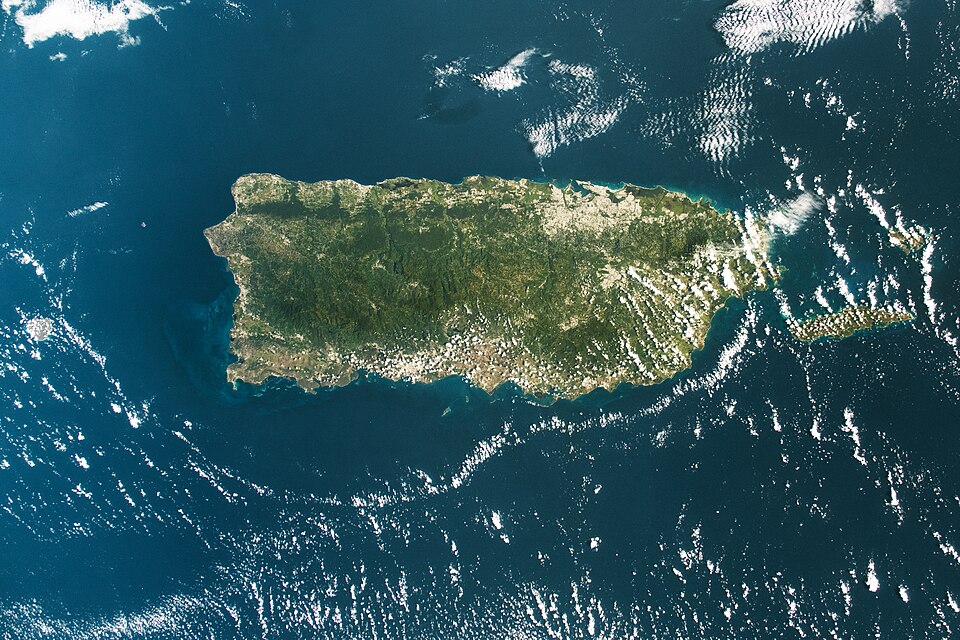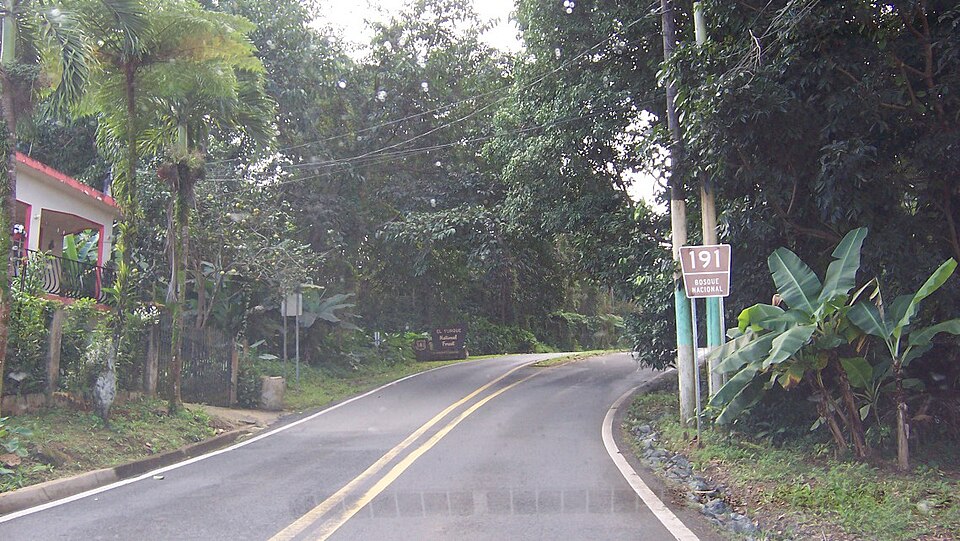
When Hurricane Maria tore through Puerto Rico in September 2017, it stripped the island's forests bare and wiped out years of ecological research. Now, a study published in the Journal of Vegetation Science has found that the forests scientists expected to suffer most were actually among the quickest to recover.
The counterintuitive finding comes from Catherine Hulshof, now an associate professor of biology at Virginia Commonwealth University, who was a new faculty member at the University of Puerto Rico when the storm hit. Maria destroyed her ongoing experiments. Like many of her colleagues, she had to abandon previous research questions entirely and start over.
"We had to 180-degree pivot after losing everything during the hurricane," Hulshof said. "It was such a chaotic time."
That pivot led to a new focus on how soil type affected forest recovery. Puerto Rico has two distinctive soil types that together support about 30% of the island's forest cover. Serpentine soils, formed from weathered rocks high in heavy metals and low in essential nutrients, support dry forests that can go up to eight months without rain, as well as wetter forests with shorter trees than those in the island's rainforests. Karst soils, made from weathered marine sediment, underlie a different set of ecosystems.
The researchers expected the rainforests, with their nutrient-rich volcanic soils, to bounce back fastest. Instead, the serpentine forests, long adapted to drought, nutrient scarcity, and stress, recovered more quickly than the denser, wetter rainforests. The rainforests, meanwhile, proved more resistant to the initial impact of the storm than anticipated.
The explanation, Hulshof argues, lies in how plants adapt to their environments over time. Species in the serpentine forests "are used to stress, are adapted to stress, have growth strategies to tolerate stress," she said. Those same traits that help them survive poor soils and dry seasons apparently help them rebound from a catastrophic storm.
The findings carry implications beyond Puerto Rico. As global temperatures rise, ecologists are increasingly interested in how ecosystems respond to extreme events. Hulshof and her colleagues believe that studying places like Puerto Rico's serpentine forests, which already thrive under conditions most plants would struggle with, could help scientists understand how unusual ecosystems around the world might respond to a warming climate.
"It shows that there are lots of Earth systems, lots of forests and habitats, that are not just adapted to stress but thrive in what we think are stressful environments," Hulshof said.