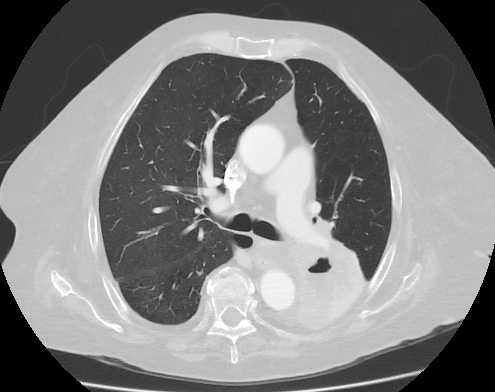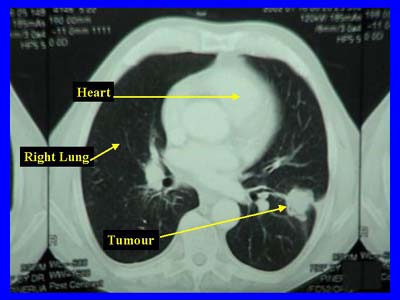
Young nonsmokers who eat more fruits, vegetables, and whole grains than the average American are more likely to develop lung cancer than the general population, according to preliminary research presented at a major cancer conference. The finding puzzled researchers and prompted questions about an environmental factor that may be hiding in otherwise healthy food.
The study, conducted by researchers at the University of Southern California, was presented at the annual meeting of the American Association for Cancer Research in April. It has not yet been published in a peer-reviewed journal. The team surveyed 187 patients who were diagnosed with lung cancer by age 50, asking about their smoking history, diet, and demographics.
The majority of participants had never smoked. They were also diagnosed with a type of lung cancer that is biologically distinct from the kind typically caused by smoking, suggesting a different mechanism may be driving their disease.
To assess diet, researchers used the Healthy Eating Index, a scoring tool that rates American diets on a scale of 1 to 100. The lung cancer patients in the study scored an average of 65. The national average is 57. Women in the study scored higher than men on average.
"Our research shows that younger non-smokers who eat a higher quantity of healthy foods than the general population are more likely to develop lung cancer," said Dr. Jorge Nieva, a medical oncologist and lung cancer specialist at USC Norris and the study's lead investigator. "These counter-intuitive findings raise important questions about an unknown environmental risk factor for lung cancer related to otherwise beneficial food."
The researchers speculate that pesticides may be a factor. Commercially grown fruits, vegetables, and whole grains typically carry higher pesticide residues than many processed foods, as well as meat and dairy products. That pattern, they suggest, could help explain why people eating the most produce appear to face elevated risk in this dataset. Existing research has found that agricultural workers exposed to pesticides have higher rates of lung cancer, lending some support to the theory.
Still, experts are urging the public not to change their diets based on these findings. The study is small and does not establish causation. It identifies an association in a specific group and raises a hypothesis, nothing more. Dr. Jimmy Johannes, a pulmonologist and critical care medicine specialist at MemorialCare Long Beach Medical Center who was not involved in the research, told Healthline the broader trend of nonsmokers developing lung cancer is alarming. "This trend is quite concerning. I think it is important for us to better understand through research why non-smokers are getting lung cancer," he said.
Lung cancer rates among nonsmokers in the United States have been rising. That shift has pushed researchers to look beyond tobacco for explanations, including air pollution, radon exposure, genetic factors, and now, potentially, diet-related environmental exposures.
The USC team's next steps would likely involve larger studies to test whether the pesticide hypothesis holds up, and whether switching to organic produce alters risk. For now, the evidence base is too thin to support any dietary recommendations in either direction.