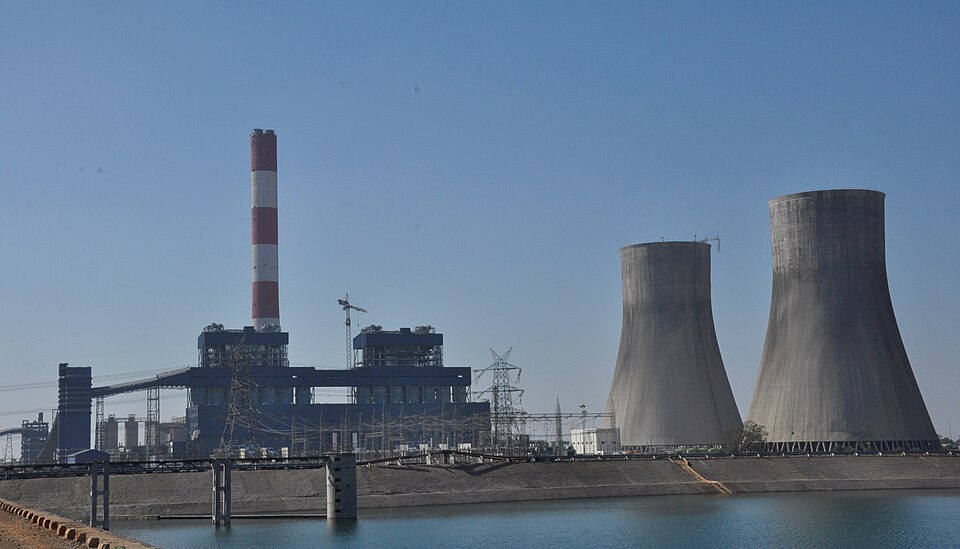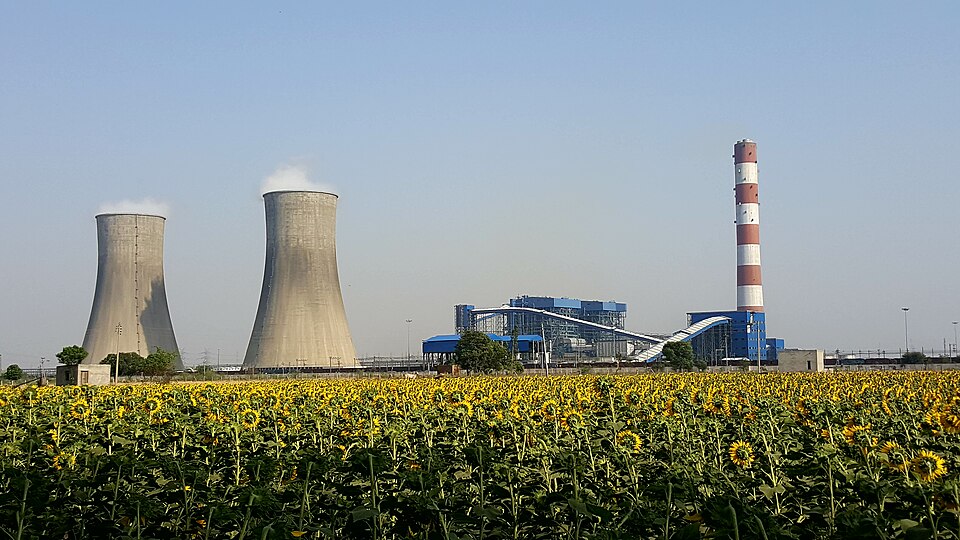
All 50 of the world's hottest cities were in India on April 27, according to air quality and temperature monitoring platform AQI. That punishing heat is doing more than straining power grids. It is pushing India deeper into coal dependence at a moment when the country had been trying to shift toward cleaner energy.
Coal-fired power generation in India climbed to 164.9 average gigawatts in April, compared with 160.7 average gigawatts during the same month last year, according to data from S&P Global Energy. That is a sequential increase of 5.6 average gigawatts, or 3.5%, in a single month.
More than 70% of India's electricity already comes from coal-fired plants, and energy experts told CNBC that the share is expected to rise further this year. The reasons are piling up on both the supply and demand sides.
India imports roughly 60% of its liquefied natural gas through the Strait of Hormuz. The Iran war has disrupted those flows and driven up LNG prices, making gas-fired power generation economically unviable. "So, coal-based power needs to share a higher burden in these peak summer months," said Girish Madan, director of corporate ratings at Fitch Ratings in Singapore. Gas-fired generation, while rebounding in late April, remains 1.5 average gigawatts below 2025 levels, according to S&P Global Energy analyst Andre Lambine.
Electricity demand is surging as temperatures in several parts of India exceed 40 to 45 degrees Celsius. The Indian government warned on May 2 that heat wave conditions are expected to persist through May across parts of Northwest, Central, and West India, as well as the East Coast.
The coal demand is not limited to the power sector. Cement producers and other industrial users are also turning to coal as a substitute fuel. Petroleum coke, another industrial fuel, has seen its supply disrupted by the Middle East conflict, pushing prices higher. That has pushed cement companies to switch to coal, according to Firat Ergene, lead insights analyst for coal, petcoke, and cement at commodity analytics firm Kpler.
The situation undercuts India's recent renewable energy milestones. In February, the government announced that more than 52% of its total installed power generation capacity now comes from non-fossil fuel sources, including solar, hydropower, and wind. But installed capacity and actual generation are different things. Coal plants, which account for nearly 43% of total generation capacity, remain the dominant source of electricity being produced.
The trajectory could worsen. If the El Niño climate pattern develops, coal-fired power generation in India could grow by as much as 10% year over year, Lambine said. India has vowed to reduce coal dependence over the long term, but the combination of extreme heat, disrupted LNG supplies, and rising industrial demand is pulling in the opposite direction this summer.