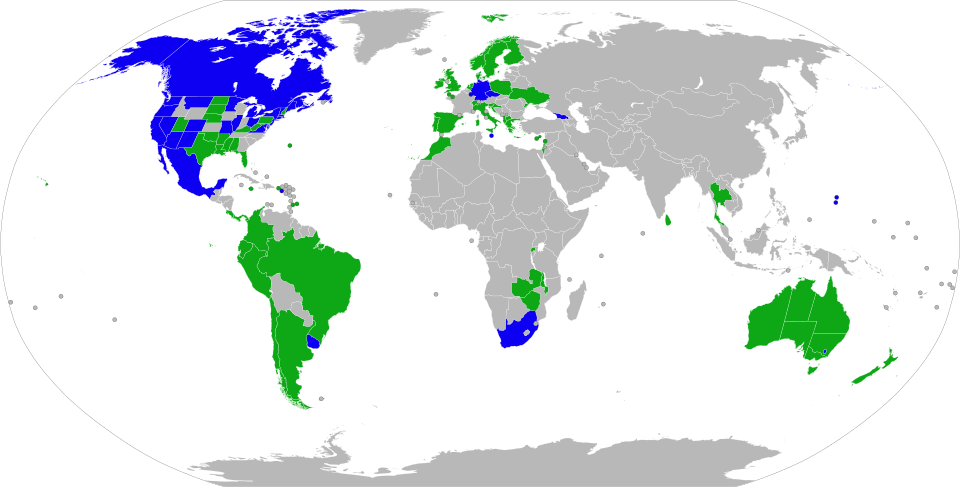
State-licensed medical cannabis is now classified as a Schedule III drug under federal law, following an order signed by Acting Attorney General Todd Blanche on April 23. The change does not legalize marijuana federally, but it significantly reshapes how the government treats it.
Until now, cannabis sat alongside heroin and LSD as a Schedule I substance, a category reserved for drugs with high abuse potential and no accepted medical use. Schedule III covers drugs considered medically beneficial with lower abuse risk, including Tylenol with codeine. The reclassification applies to state-licensed medical marijuana and FDA-approved cannabis products.
The practical effects are substantial for the industry. Cannabis businesses operating legally under state law have long faced a federal tax provision that bars deductions for companies selling controlled substances. That burden will ease under the new classification. Researchers studying cannabis will also encounter fewer federal obstacles, a change the Justice Department framed as a path to better patient care and more reliable clinical data.
"The Department of Justice is delivering on President Trump's promise to expand Americans' access to medical treatment options," Blanche said in a statement. "This rescheduling action allows for research on the safety and efficacy of this substance, ultimately providing patients with better care and doctors with more reliable information."
The move follows years of pressure from advocates who argued federal scheduling had long been out of step with both science and public opinion. A 2025 Gallup poll found that 64% of Americans support cannabis legalization, nearly double the 36% who did in 2005.
Banking has been another persistent problem for cannabis businesses in legal states. Because the drug remained federally illegal, many banks refused to work with dispensaries, leaving some to operate largely in cash. The reclassification is expected to ease some of that friction, though full banking access will likely require additional legislative changes.
The Trump administration has scheduled a June hearing to evaluate broader changes to cannabis's federal status. For now, the drug remains illegal at the federal level for recreational use, and the reclassification covers only the medical and state-licensed sphere.