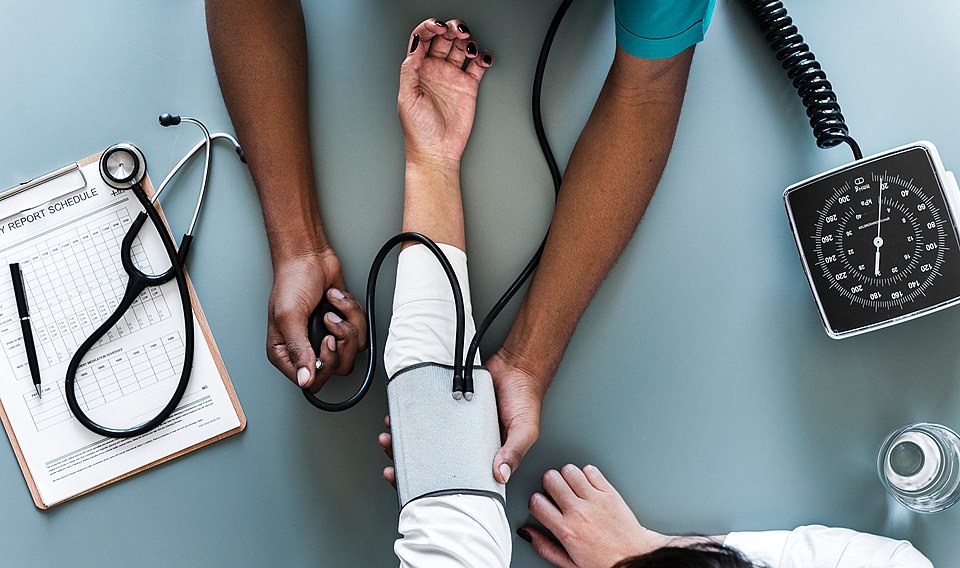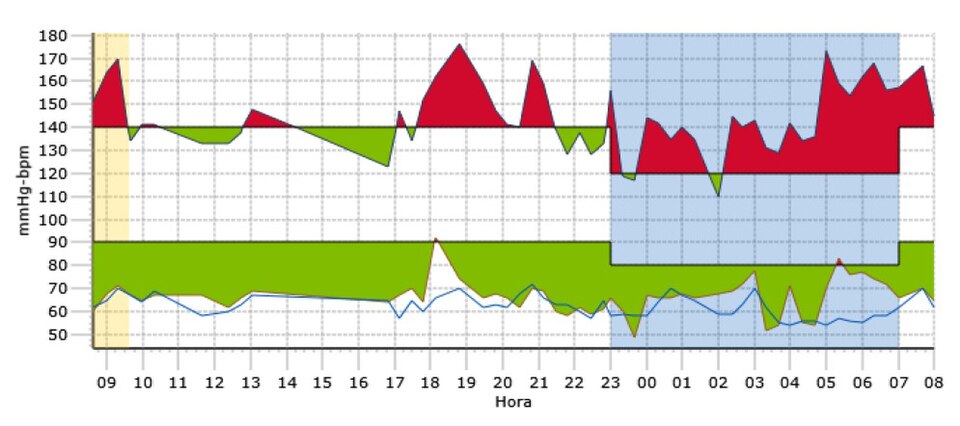
One in three adults in the United States who have high blood pressure may need medication to control it, according to a new study reported by WISH-TV. The finding suggests that a large portion of people diagnosed with hypertension are either untreated or undertreated, leaving them at elevated risk for heart attack, stroke, and other serious cardiovascular events.
High blood pressure, also called hypertension, affects nearly half of all American adults. It is one of the leading risk factors for heart disease, which remains the number one cause of death in the country. Despite its prevalence, hypertension is often called a silent condition because many people experience no symptoms until serious damage has already occurred in the heart, arteries, or kidneys.
The study points to a significant gap between the number of people who have been diagnosed and those who are receiving treatment that brings their blood pressure down to a safe range. Lifestyle changes such as diet, exercise, and reduced sodium intake are typically the first line of response, but for many patients those changes are not enough on their own. Medication becomes necessary when blood pressure remains elevated despite those efforts.
Researchers involved in the study said that identifying which patients need medication is a key step in reducing cardiovascular disease at the population level. Blood pressure guidelines have shifted in recent years, with medical organizations lowering the threshold at which hypertension is diagnosed. That change brought millions more Americans into the category of people with high blood pressure, and some of those individuals may not yet have had conversations with their doctors about whether medication is appropriate.
Access to primary care plays a role in whether patients receive timely treatment. People without a regular doctor, or those in areas with limited health care access, are less likely to have their blood pressure monitored consistently and less likely to receive prescriptions when they need them. Cost of medication can also be a barrier, even for drugs that are available as generics.
The findings come at a time when public health researchers are looking for ways to reduce the long-term burden of cardiovascular disease. Heart attacks and strokes cost the health care system billions of dollars each year and result in significant disability and lost productivity. Treating high blood pressure effectively is considered one of the most cost-efficient interventions available in preventive medicine.
The study adds to a body of evidence suggesting that better screening, more consistent follow-up care, and wider access to affordable medication could prevent a substantial number of deaths each year. Health providers are expected to use findings like these to inform updated clinical guidelines and outreach efforts aimed at patients who may not know their blood pressure is dangerously high.