An 8-year-old boy searching for show-and-tell material found something that stunned professional archaeologists: a fragment of a Roman-era stone figurine more than 1,700 years old.
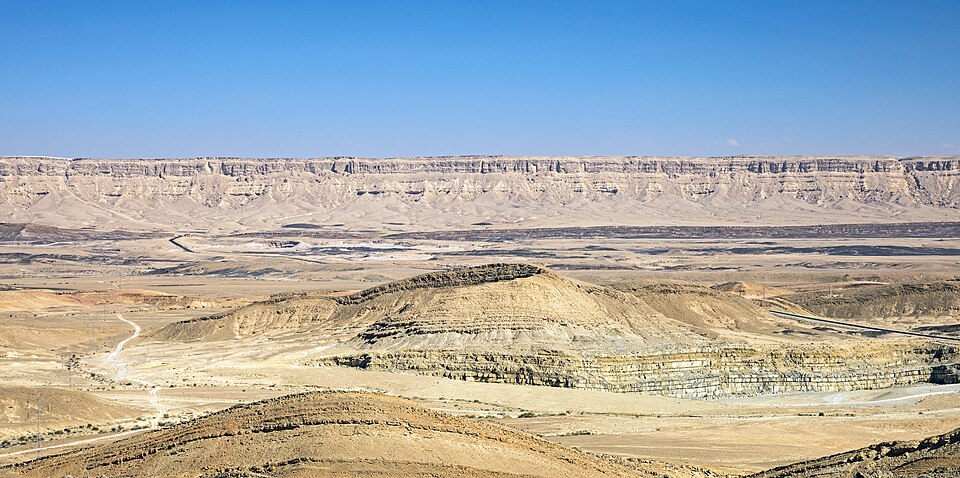
Dor Wolynitz, from Rehovot, Israel, discovered the artifact during a family weekend retreat at the Ramon Crater in the Negev Desert of southern Israel. According to a report by Fox News, the Israel Antiquities Authority confirmed the find in a May 11 release. Wolynitz was attending an event organized by a paratrooper reserve unit when he spotted the object on the ground.
The boy told the IAA he was "looking for special things on the ground that I could show in class." He said, "Suddenly, I noticed an interesting stone with stripes lying on the ground, and picked it up." He then showed it to Akiva Goldenhersh, an archaeologist and friend of his father who happened to be on the trip.
Goldenhersh is a supervisor at the IAA's Antiquities Theft Prevention Unit. He said he "thought it was a fossil" at first. "But then I noticed the sculpted folds of the garment — and I was very excited," he said.
The fragment measures six by six centimeters. It depicts what Goldenhersh described as "part of a human figure with carefully sculpted folds of fabric." He noted that "The figure is depicted wearing a type of heavy mantle called a himation, with no visible chiton, or undergarment." He added that "The manner of sculpting the folds and the choice of such a delicate material indicate a very high level of skill on the part of the artist."
The object was made from a phosphorite-type mineral native to the Negev, which suggests it was produced locally rather than imported. Researchers believe it may depict either the Roman god Jupiter or a Nabatean deity called Zeus-Dushara.
The Ramon Crater region sits along what was once a major ancient spice route during the Roman and Nabatean periods. Goldenhersh said the find reflects "the combination of local traditions with influences from the classical world." He also noted that finding Roman-era stone figurines of this style is "relatively rare in general," and that "Discovering one as a surface find, rather than during a controlled excavation, is especially unusual."
Archaeologists believe the fragment moved from its original location because of erosion or natural shifts over time. Desert conditions in the Negev can preserve artifacts and occasionally push them to the surface, Goldenhersh explained.
Wolynitz turned the fragment over to Israel's National Treasures Department. The IAA gave him a certificate for his good citizenship.