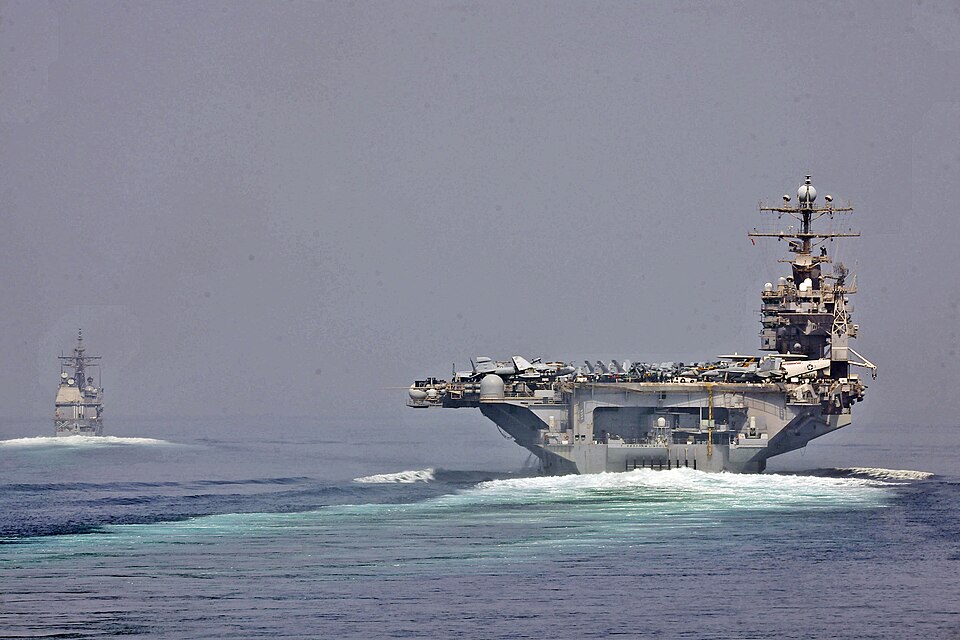
Iran's top negotiators traveled to Qatar's capital Doha on Monday to work through the remaining obstacles standing between Tehran and Washington in talks aimed at ending the ongoing conflict between the two countries. The visit came as oil prices dropped sharply on news that a deal could be close.
According to CBS News, Iran's top negotiator Mohammed Qalibaf and Foreign Minister Abbas Araghchi both arrived in Doha to meet with Qatari leadership. The Reuters news agency reported that discussions were focused primarily on two issues: reopening the Strait of Hormuz to international shipping and securing Iran's stockpile of approximately 900 pounds of highly enriched uranium. Iran's central bank governor also traveled as part of the delegation, as the potential release of frozen Iranian financial assets was also on the table.
The Qatari government-owned Al Jazeera network reported that the visit was "aimed at resolving outstanding issues" between Washington and Tehran. An Iranian official quoted by Al Jazeera said the Doha talks would focus "primarily on Iran's frozen assets — including the amount to be released and the timeline for their release," and that Qatar could also serve as the site of a future direct meeting between Iranian and American delegations.
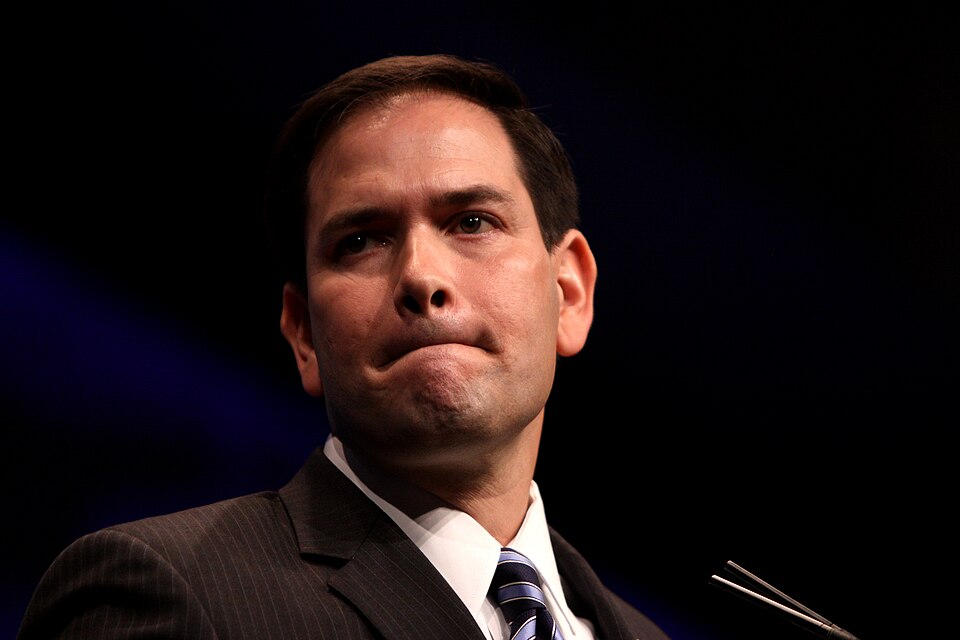
President Trump said the deal is "largely negotiated" and that he will either sign "a great and meaningful" pact with Tehran, "or there will be no deal." Secretary of State Marco Rubio said an agreement to reopen the Strait of Hormuz could be announced as soon as Monday.
Iran tempered expectations. The Iranian regime said "frequent changes" and contradictions from the U.S. side present "problems and obstacles" as final details are being worked out. Tehran also stressed that the proposal under discussion does not include immediate concessions on the nuclear issue, and that signing a deal is not imminent.
On Monday evening local time, Iranian forces shot down what state media described as a "hostile drone" over the Strait of Hormuz. The semi-official Fars news agency reported that Iran used a new air defense system called "Arash the archer" to carry out the interception. "This is a signal from us so that no stealth drone can penetrate the skies of the Persian Gulf again," an Iranian official told Fars.
Oil prices fell roughly 5 percent Monday, according to reporting from The New York Times and CNBC, dropping to a two-week low as markets responded to the possibility of a deal that would reopen the critical shipping lane.