Humans eat only a small fraction of the world's edible plant species. That fact sits at the center of a question food scientists have long explored: how did people figure out which plants were safe in the first place?
The answer, according to a report by Phys.org, involves centuries of observation, experimentation, and cultural knowledge passed down through generations, combined with modern scientific techniques.
Plants are not passive food sources. They produce chemical compounds specifically to defend themselves against insects, animals, and disease. The tobacco plant, for example, produces nicotine as a natural alkaloid to protect itself from insect attacks. Globally, tens of thousands of plants contain toxic compounds. In Australia alone, more than 1,000 native and introduced plant species can be toxic to humans and animals under certain conditions.
A foundational principle in toxicology helps explain why so many of these plants ended up on dinner tables anyway. The principle is straightforward: it is the dose that makes the poison. Many compounds that sound dangerous are safe when consumed in small amounts. Table salt is one example. Green potatoes contain glycoalkaloids, chemicals that can cause vomiting, fever, and diarrhea when eaten in large quantities, but are generally tolerable in small doses. Rhubarb leaves contain oxalates, another toxin, but a person would have to eat a significant quantity before getting seriously ill.
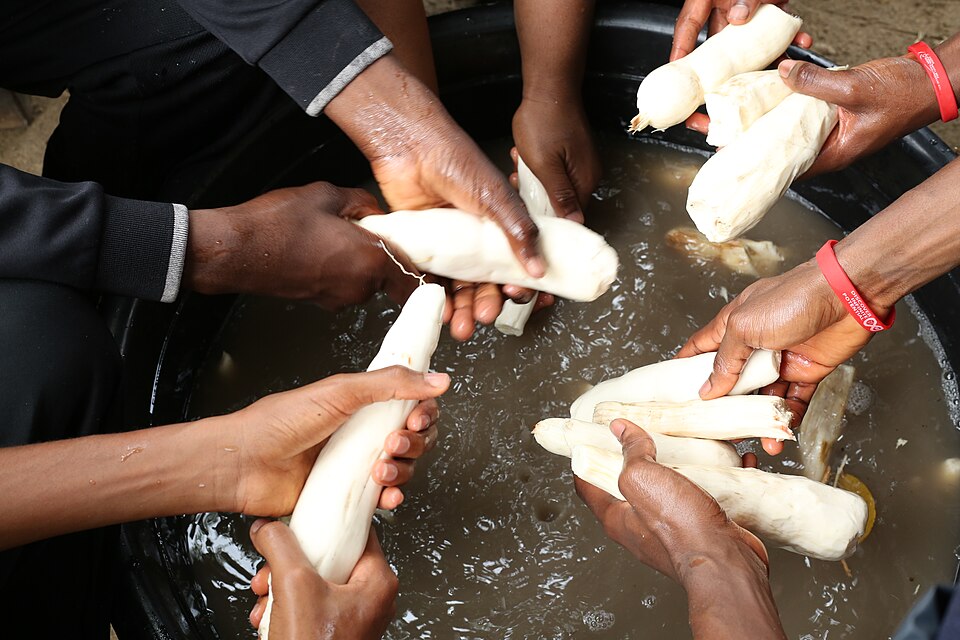
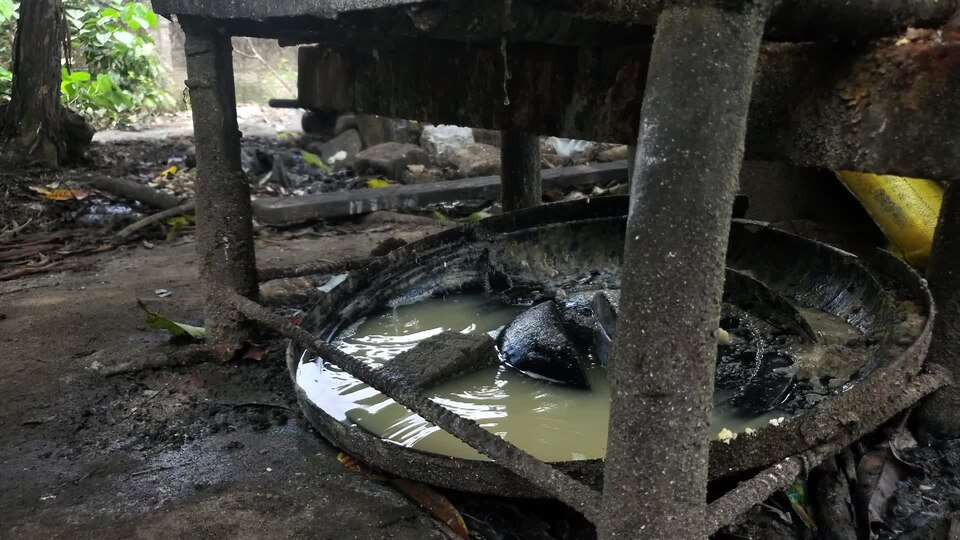
Preparation matters as much as quantity. Some of the most dramatic examples come from Indigenous communities who developed sophisticated processing methods long before any formal science existed. Cassava was first domesticated in South America, where Indigenous communities developed methods to remove cyanide, a poisonous chemical found in the plant's roots and leaves. Cyanide is not a minor irritant. It is lethal in sufficient amounts. The fact that cassava became a dietary staple across multiple continents reflects the depth of that early knowledge.
In northern Australia, some Aboriginal communities processed cycad seeds, which contain naturally occurring toxins, by soaking, grinding, or cooking them before consumption. Cycad seeds are not something a person would stumble into eating safely by accident. The processing methods required were deliberate and specific, suggesting they were developed through careful observation over long periods and then preserved as cultural knowledge.
That knowledge transfer matters. Once a community learned how to safely prepare a plant, that information became embedded in cultural practice and passed down through generations. It did not need to be rediscovered each time.
Modern food science continues this work using different tools. Raw or undercooked kidney beans, for instance, contain a natural toxin called phytohemagglutinin, which can cause illness. Proper cooking destroys the toxin. The underlying logic is the same as what Indigenous communities applied to cassava and cycad seeds: understand the plant's chemistry, then adjust preparation accordingly.
The scale of the problem is significant. Tens of thousands of plant species contain toxic compounds of some kind. The relatively small number of plants that humans eat regularly reflects a long filtering process, one that cost some people their health or lives before the right preparation methods were established. Modern science has added laboratory analysis and controlled testing to that process, but the foundation was built by communities working through trial and error across generations.
The Phys.org report notes that this combination of ancient knowledge and modern science continues to shape what ends up on plates today. Processing techniques refined over centuries are now understood at the molecular level, which allows food scientists to verify their safety and apply them more broadly. In many cases, the original methods developed by Indigenous communities turn out to be precisely what the chemistry requires.