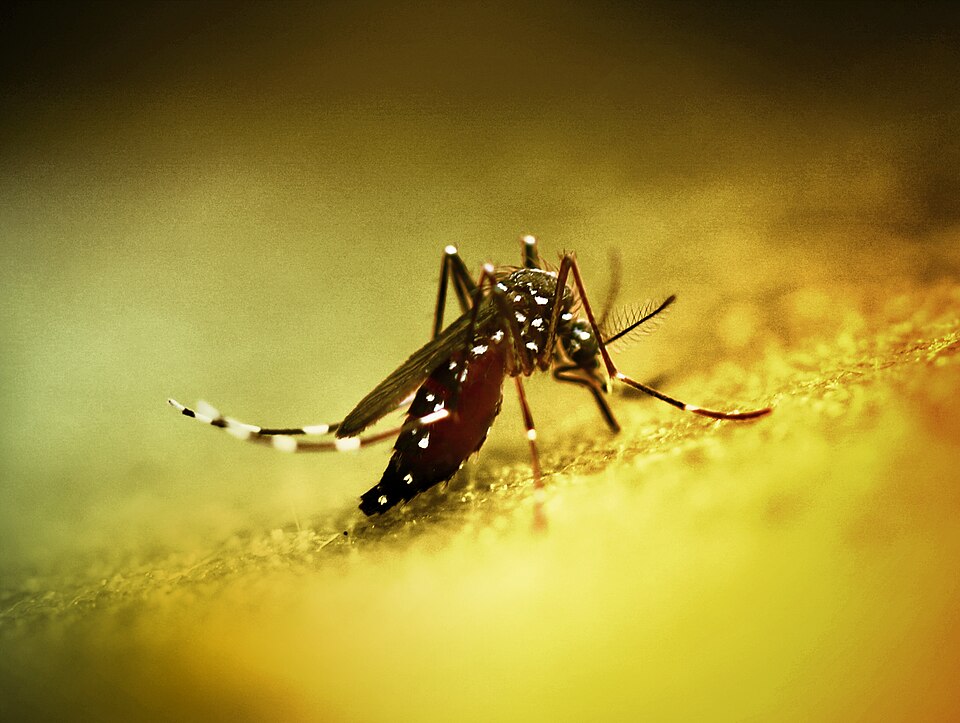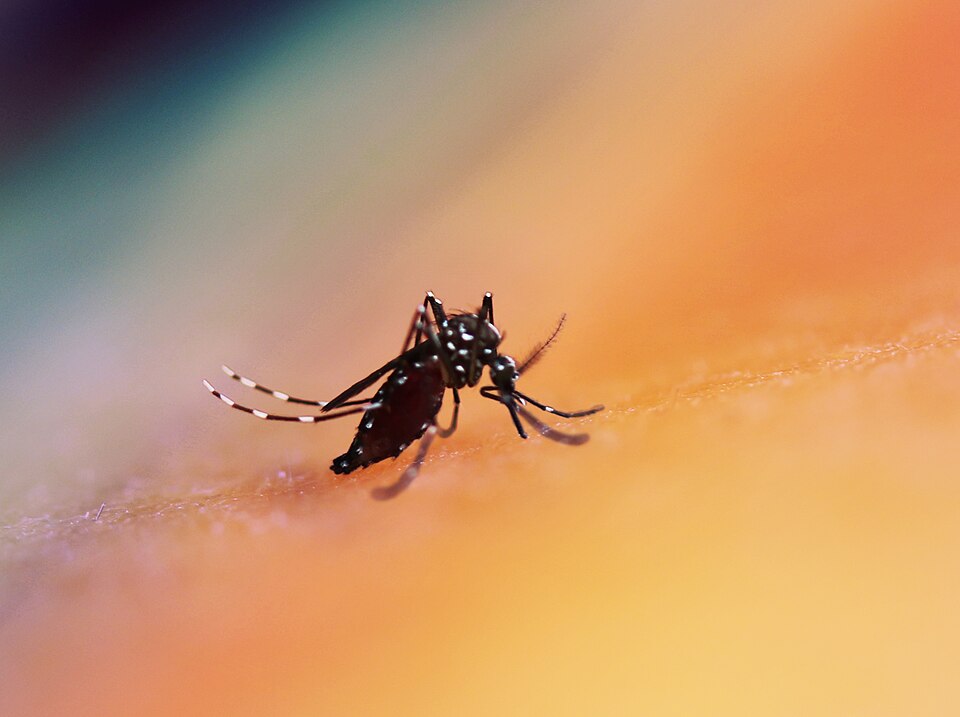
Mosquitoes already rank among the most dangerous animals on earth. Now researchers are adding beer drinking to the list of things that can make a person more likely to get bitten.
According to a report by Healthline, a 2026 preprint study conducted at a music festival examined mosquito behavior among 465 participants and found that people who consumed beer appeared to attract more mosquitoes than those who did not. Researchers think the smell of beer itself may be the draw, rather than blood alcohol levels, though they note that more research is needed to confirm the finding.
It is not the only factor that makes some people more of a target than others. Studies have pointed to heat signatures, with mosquitoes showing more interest in people who give off stronger heat. Other research has identified chemical odors from human skin as a factor. People who are more attractive to mosquitoes appear to produce higher amounts of carboxylic acids, which are naturally occurring compounds found in human sweat and generated by skin microbes. Scientists believe that understanding these skin-based attractants could lead to more effective repellents.
Carbon dioxide, which every person exhales, also plays a role. Mosquitoes detect it and use it to locate a potential host. Some people simply exhale more, or exhale in patterns that draw more attention.
William Schaffner, MD, a professor of infectious diseases at Vanderbilt University, put the stakes in plain terms. "Mosquitoes are said to be the most dangerous animals on our planet because they can transmit serious infections, including malaria, yellow fever, Zika, dengue, and chikungunya, among others," he said. "Thus, learning how to avoid mosquito bites has long been a public health priority. It is a common experience that mosquitoes seem to have a preference for some persons while avoiding others," he told Healthline.
DEET has long been considered the gold standard for mosquito protection. But a new study has raised a concern about its long-term effectiveness. Researchers found that mosquitoes may have learned to associate DEET with food and could, over time, become attracted to it rather than repelled. The report stopped short of recommending people abandon DEET. Any protection, it noted, is better than none.
The research comes as summer travel season approaches, including large international gatherings like World Cup matches, where outdoor exposure to mosquitoes is high and disease transmission risk varies by region. People who know they tend to attract more bites may want to consider layering protections, including repellents, long sleeves, and avoiding peak mosquito hours around dawn and dusk.
Researchers studying skin odor say the longer-term goal is to use what they learn about mosquito attraction to build repellents that work more precisely and last longer than current options.