About 2,000 years ago in the far north of Scotland, a woman was buried after her brain was removed and several of her bones were sharpened into tools. The bones were then placed back in her grave in their correct anatomical positions. A new study published June 10 in the journal Antiquity details the find.
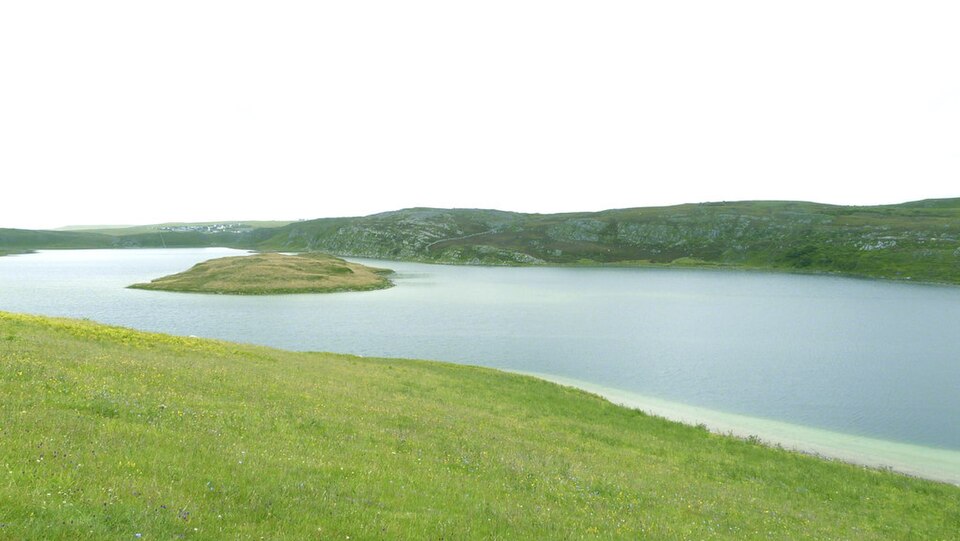
Archaeologists originally excavated a low stone burial cairn near Loch Borralie, a lake in the Sutherland region of northern Scotland, in 2000. Locals had reported finding human bones that had been dislodged from the soil by rabbits. The cairn contained the partial skeletons of an adult woman and a teenage boy, both buried between the first century B.C. and the first century A.D., during the Iron Age. The original report suggested the bones had been scratched and gnawed by animals, but the new analysis tells a different story.
According to a report by Live Science, researchers found that the base of the woman's skull had an unusual fracture, and there were incisions made by a sharp tool on the inside of her skull. "Taken together, breakage of the cranial base and internal cutmarks are suggestive of deliberate removal of the brain soon after the death of this individual," the researchers wrote in the study. They noted the removal could relate to cannibalism or could have resulted from an attempt to clean and preserve the skull for display.
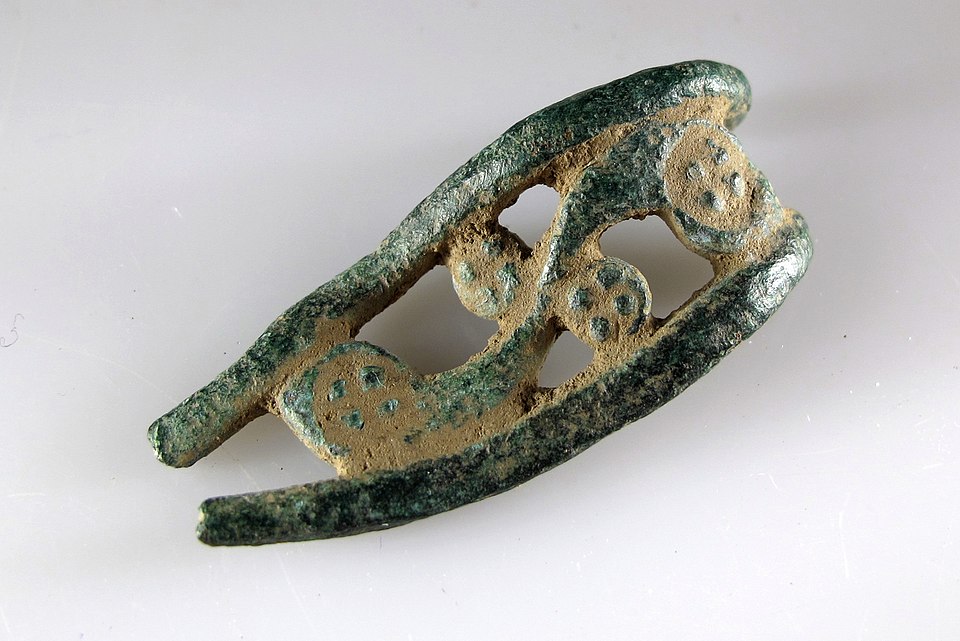
Four of the woman's bones, three arm bones and one leg bone, were also modified after her death. The bones' "internal layers have been whittled/worked to a sharp edge and a singular pointed end," the researchers wrote. Despite that extensive modification, whoever prepared the body still took care to replace the bones in their proper anatomical positions before burial.
Lead author Dr. Laura Castells Navarro, an archaeologist at the University of York in the U.K., said the intent behind the modifications is not easy to explain. "The motivation behind the extensive manipulation of the skeletal remains of Individual 1 is very difficult to interpret," she said in a statement. "However, the care with which she was reassembled and deposited in the cairn possibly suggests she commanded a level of reverence and respect by her community."
The research team took a multidisciplinary approach, combining bone analysis with isotope testing and ancient DNA analysis, according to Phys.org. Isotope analysis showed that both individuals likely grew up around 80 kilometers southeast of Loch Borralie. Ancient DNA analysis determined the two were closely related, most likely maternal second cousins. Their DNA also showed genetic connections to individuals from Orkney, about 175 kilometers to the northeast, and from Applecross, about 225 kilometers to the southwest.
Those connections across large distances point to a mobile prehistoric society that kept in contact across the northern Scottish coast and island chains. "More broadly, our research shows that prehistoric maritime communities periodically moved around the north coast and Northern Isles of Scotland, possibly in small groups," Castells Navarro explained. "This movement allowed for the spread and maintenance of cultural practices and traditions."
The study adds to a growing body of evidence that complex funerary traditions were shared and maintained across wide geographic areas in prehistoric Britain. The environmental conditions of northwest Scotland, which support the preservation of bone, have made the region especially useful for this kind of research. Human remains from the Iron Age are rarely preserved elsewhere in Britain, making the Loch Borralie cairn an unusually rich source of information.