A fast-moving wildfire forced the evacuation of one of NASA's most critical space tracking stations near Madrid, Spain on Friday, temporarily suspending operations at a facility that helps communicate with spacecraft as far away as the edge of the Solar System.
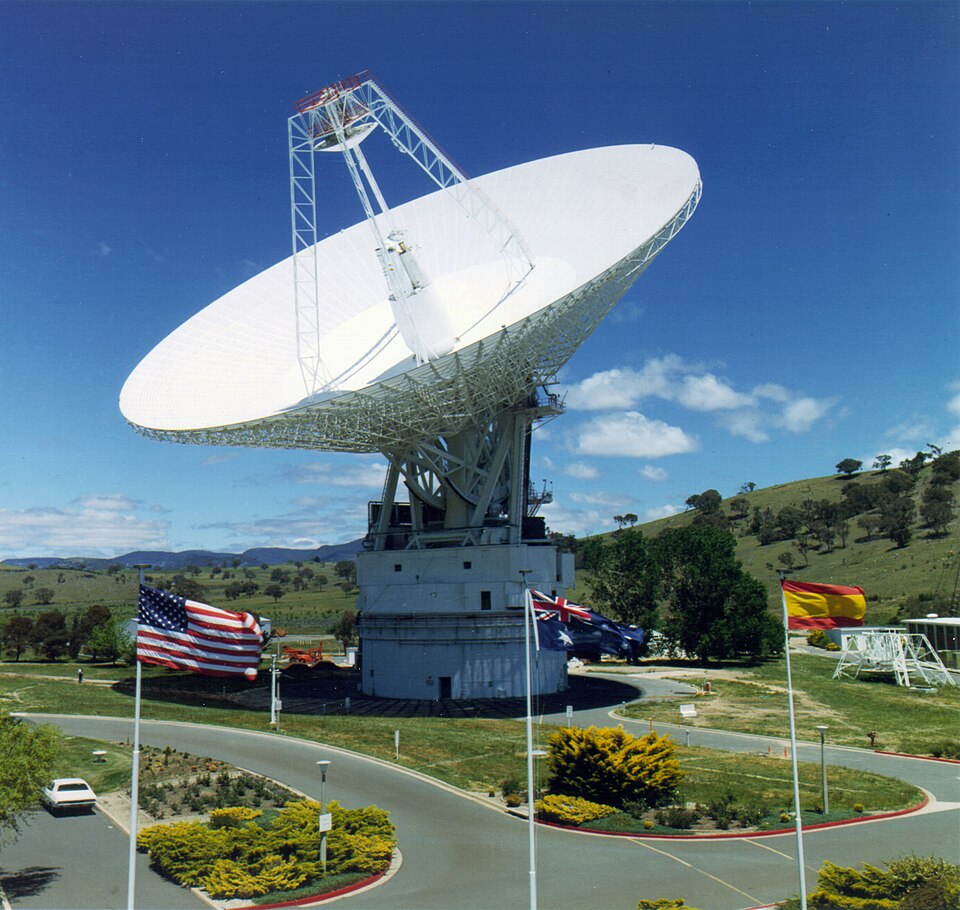
The Madrid Deep Space Communications Complex sits in the hills nearly 40 miles west of central Madrid. Photos and video from the area showed flames and smoke rising over its antenna array, which is anchored by a 230-foot-diameter radio dish and a collection of smaller 112-foot antennas. A NASA spokesperson confirmed the station was evacuated due to the ongoing wildfires in the region.
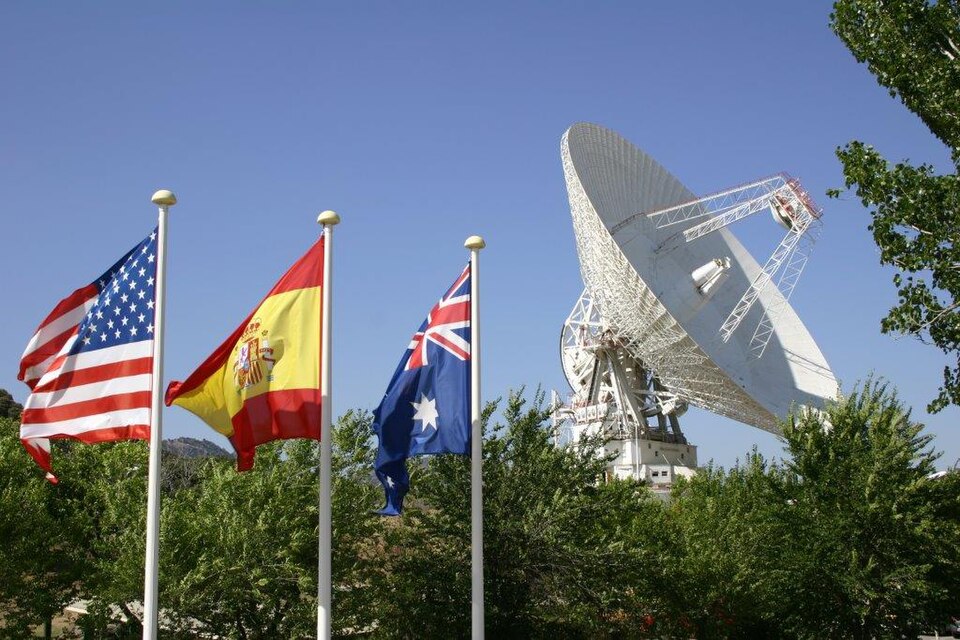
According to Ars Technica, the complex is one of three stations that make up NASA's Deep Space Network, which operates in coordination with facilities in Goldstone, California, and Canberra, Australia. The three stations work together to provide continuous global coverage, rotating responsibility as Earth's rotation brings distant probes and spacecraft in and out of line of sight. The network supports more than 40 missions, including the Artemis program, the James Webb Space Telescope, and NASA's twin Voyager spacecraft.
The NASA spokesperson said that any potential damage will be assessed when it is safe to do so. In the meantime, NASA moved quickly to keep those missions running without interruption. "In the meantime, the agency has seamlessly transitioned support for mission operations to the Goldstone Deep Space Communications Complex in California, ensuring continuity of service and uninterrupted support for spacecraft communications," the spokesperson said.
The network is managed jointly by NASA's Space Communications and Navigation program and NASA's Jet Propulsion Laboratory. NASA officials are monitoring the wildfires in the Madrid region in coordination with local authorities and the US Embassy.
NASA typically runs the Deep Space Network using what it calls a "follow the Sun" model. Control centers at each of the three sites can remotely operate the entire network during local daytime hours, while the antennas at each location continue to run around the clock. That design gave NASA the flexibility to shift operations to California quickly once the Spain facility had to be cleared.
The Madrid station is part of a broader wildfire crisis across Spain, with multiple fires reported across the country at the same time. The full extent of any structural or equipment damage at the complex remained unknown as of Friday.