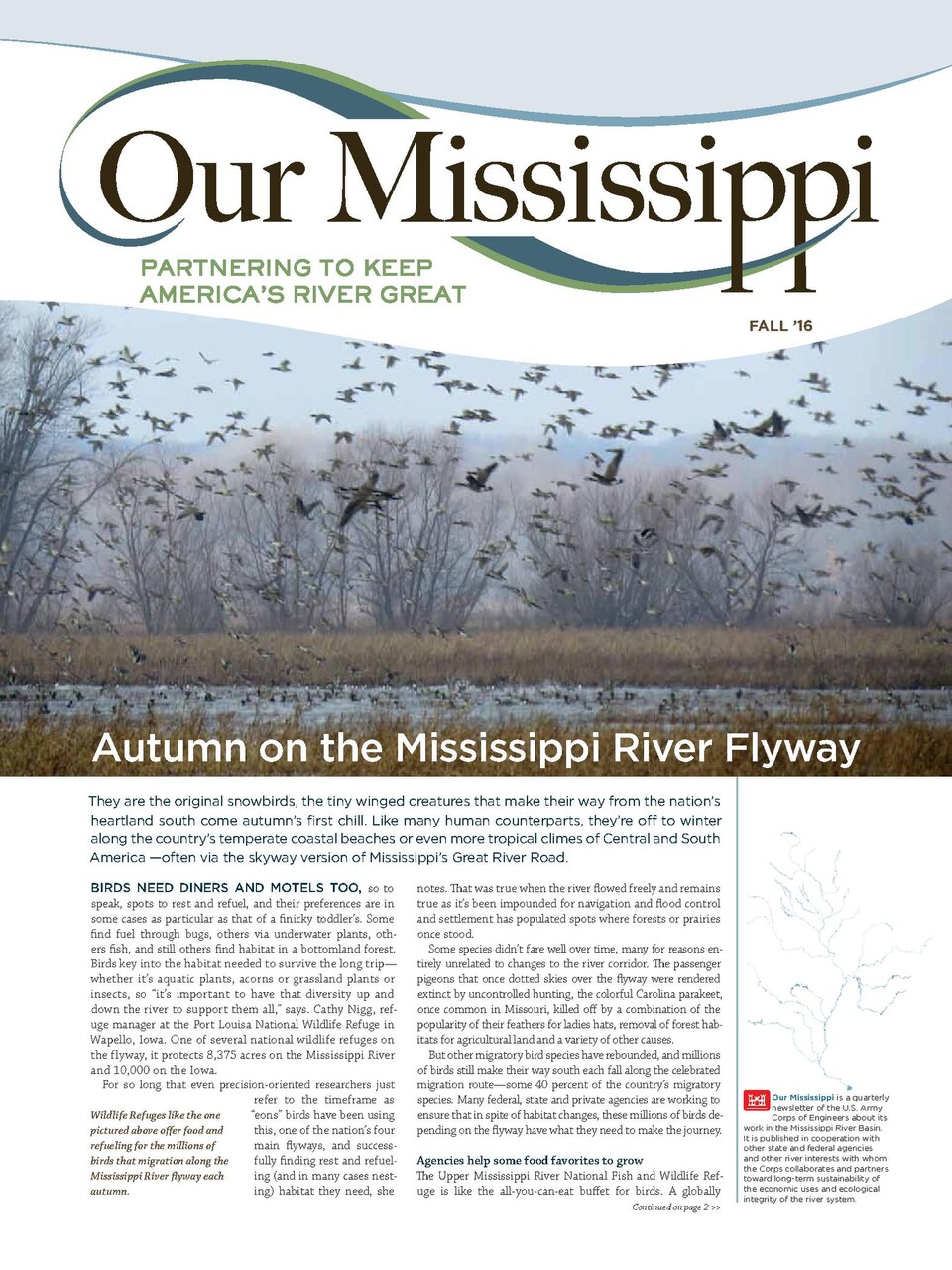
For decades, weather radar has been able to detect flocks of birds moving through the sky during migration. What it could not do was tell scientists which species were flying. A team of researchers has now built a system that can.
According to a report by Phys.org, researchers at the Cornell Lab of Ornithology, the University of Massachusetts and the University of Illinois developed two new methods that, together, provide species-specific migration estimates across North America. The work was published in two papers in the journals Global Ecology and Biogeography and Movement Ecology.
The research is part of the BirdFlow project, which uses AI models to predict the movements of bird populations during migration. At the heart of the new system is a dataset of more than 2 billion bird observations submitted by citizen scientists through the Cornell Lab's eBird platform.
The first new method, called BirdFlow Migration Traffic Rate, or BMTR, draws on that enormous dataset to estimate which species account for the movements that radar picks up. It successfully identified major flyway patterns and produced weekly species-specific migration estimates even in regions where radar coverage has gaps.
Adriaan Dokter, project leader for BirdCast and BirdFlow at Cornell Lab, explained what the method adds. "The new BMTR metrics allow us to estimate the most likely species responsible for the movements we detect with radar, which detects the numbers of birds migrating aloft but not which species," he said.
The second method shows how BirdFlow models can take in data from individually tracked birds, including GPS tags, Motus radio telemetry and banding records, and use that information to reconstruct population-level movement across the continent. The team produced migration models for 153 North American migratory bird species spanning 14 orders and 39 families.
To check their work, the researchers compared BirdFlow estimates against 28 years of data from 152 weather surveillance radars across North America. The correlations were strong. The models were also tested against real GPS-tracked birds and produced biologically realistic migration route predictions.
Dokter described the value of pulling multiple data sources together. "We find that incorporating such individual and species-specific differences — as captured directly by tracking and banding data — greatly improves our population-level movement models," he said. "We like to think of BirdFlow as a way of synergizing all the available information on" bird migration.
The BirdFlow project represents a significant shift in how scientists can monitor and forecast migration. Rather than knowing only that millions of birds are moving, researchers can now begin to say which birds those are, where they came from and where they are likely going. That level of detail has practical uses for conservation, land management and understanding how climate change may be shifting migration timing and routes across the continent.