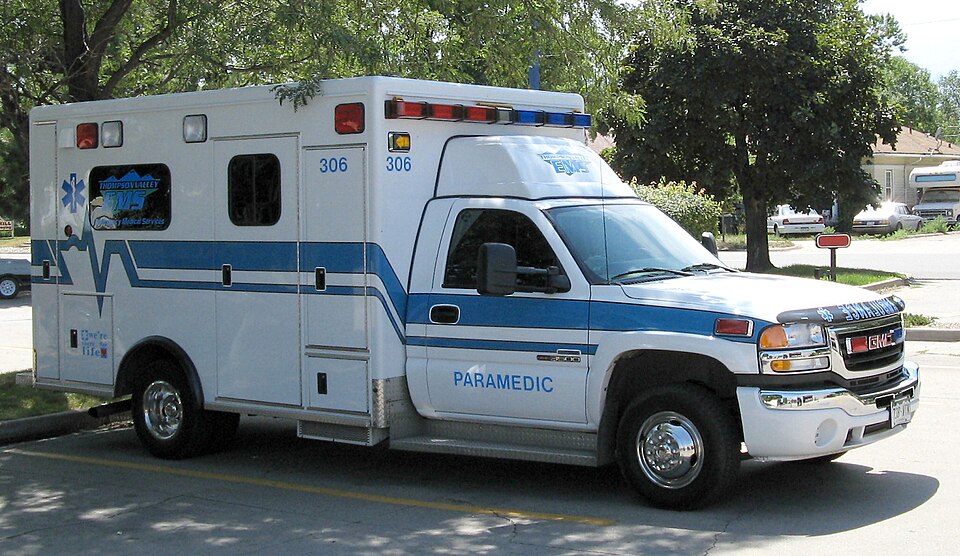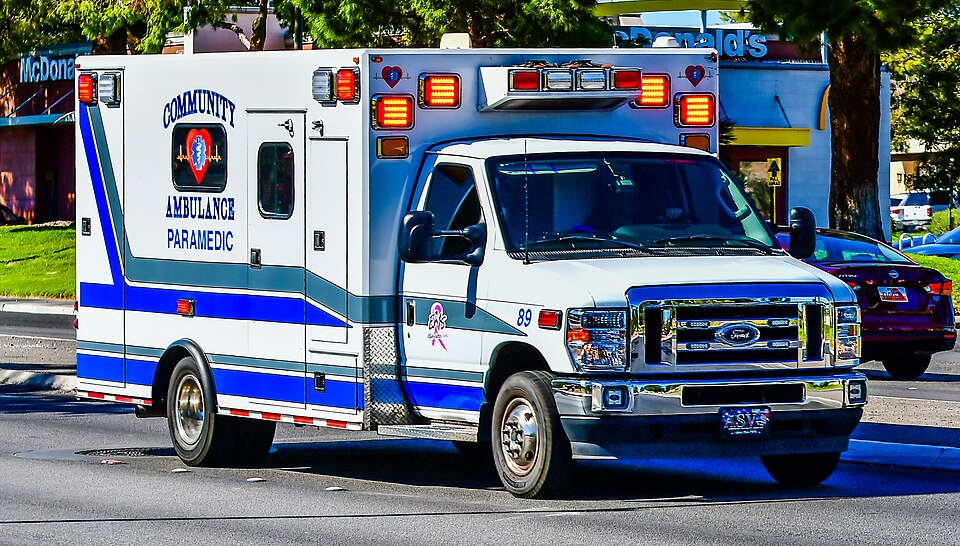
Paramedics are doing more than responding to emergencies. A new study has found that they are playing a growing role in connecting patients to community support services, according to Medical Xpress.
The research examined how paramedics function at the intersection of medical care and community health, finding that the role has expanded well beyond traditional emergency response. Paramedics are increasingly serving as a bridge between patients who need ongoing support and the community resources that can provide it.
This kind of work, sometimes called community paramedicine or mobile integrated healthcare, allows paramedics to follow up with patients after emergencies, conduct wellness checks, and connect people with social services, mental health resources, and other forms of support that fall outside the scope of a single emergency call.
The study's findings reflect a broader shift in how emergency medical services are being used in some communities, where healthcare systems are looking for ways to reduce repeat emergency calls and hospital readmissions by addressing underlying social and medical needs.
Paramedics are positioned to take on this role in part because they already enter patients' homes and communities in ways that other healthcare providers typically do not. That access gives them visibility into living conditions, social isolation, and other factors that affect long-term health outcomes.
The research adds to a growing body of evidence supporting expanded paramedic roles as a cost-effective way to extend healthcare reach, particularly in communities where access to regular medical care is limited.