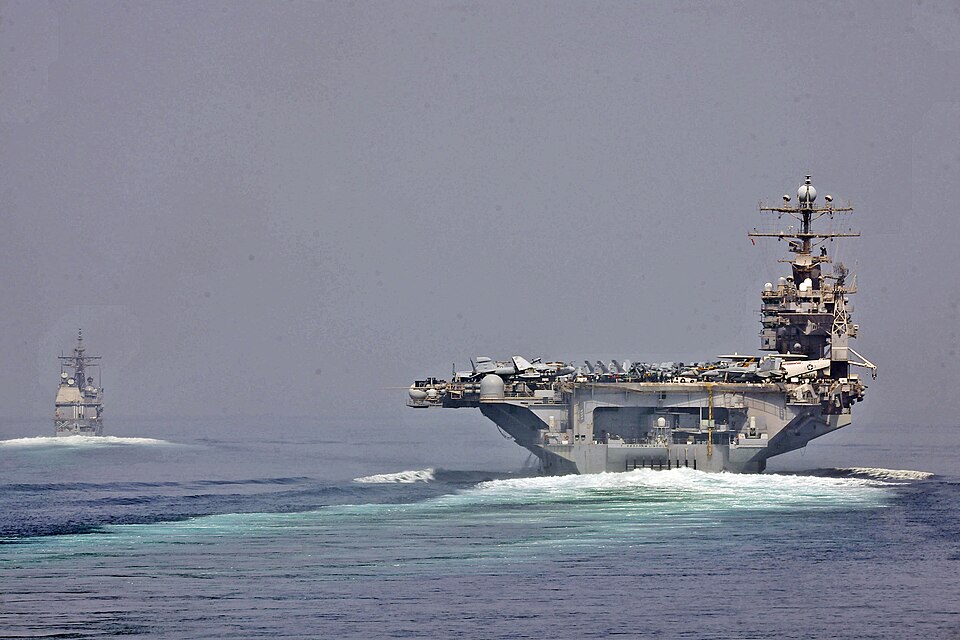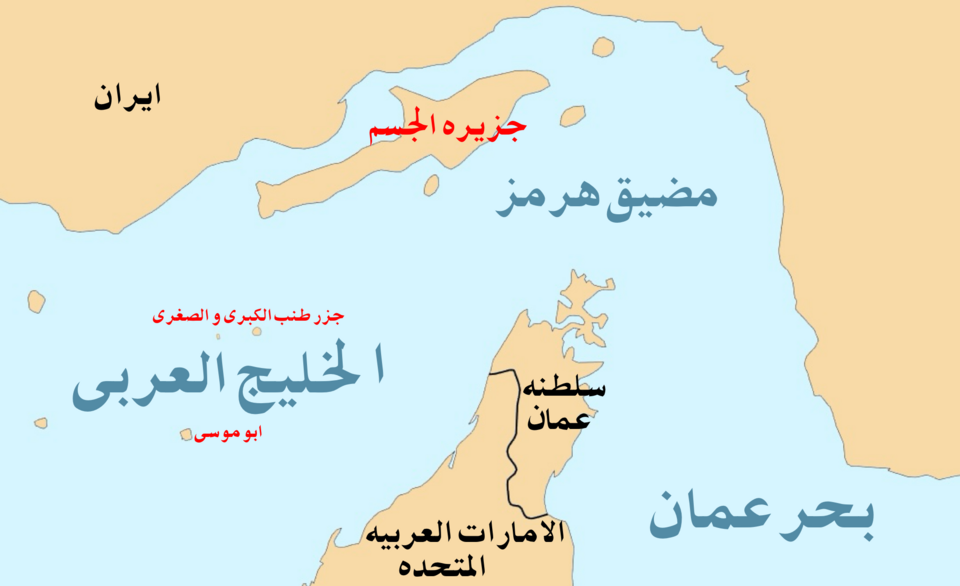
Gas prices fell below four dollars a gallon Thursday for the first time since late March, as the United States and Iran signed an agreement to reopen the Strait of Hormuz and end hostilities in the region.
According to a report by Yahoo Business, AAA recorded the national average at $3.999 per gallon, a drop of roughly three cents from Wednesday's $4.03. GasBuddy, a separate tracking service, put the price at around $3.98. Among the 28 states that had already crossed the four-dollar threshold downward, Indiana recorded the cheapest statewide figure at $3.40.
The drop came after the U.S. and Iranian presidents signed a 14-point memorandum of understanding that extends a ceasefire, including in Lebanon, and reopens the strategically vital strait. The deal commits both sides to further talks over the next 60 days. It also includes a $300 billion plan for Iran's reconstruction and calls for the removal of what the agreement describes as "all types" of U.S. sanctions against the Islamic Republic.
Despite the milestone at the pump, prices remain about a third higher than before the war began. The national average hovered just below $3 a gallon before the first U.S.-Israeli strikes on Iran in late February. Prices peaked at $4.56 on May 21 as Middle East energy supplies tightened and crude oil briefly approached $120 a barrel. Futures markets are not pricing crude back below the pre-war $70-per-barrel mark at any point this decade.
Restoring normal tanker traffic through the strait is a process that could stretch three to four months, Kpler lead oil analyst Matt Smith told CNN, with rebuilding the stockpiles drained by the conflict requiring still more time. Regional energy infrastructure compounded the problem. Refineries and production sites went largely offline as the fighting disrupted supply lines, and damage to some facilities means bringing them back to capacity will require additional time.
Even with crude prices falling, gasoline prices tend to drop more slowly than they rise. Tom Kloza, an independent oil analyst who advises Gulf Oil, invoked a long-standing industry saying: "There's an old expression — gas prices go up like a rocket and come down like a feather." Since the May 21 high, pump prices have eased at a pace of roughly two cents per day, a crawl relative to the more than one-dollar surge that hit consumers in the opening weeks of the conflict.
The deal has not escaped criticism. Some observers concluded that the terms appear to have strengthened Tehran's hand. President Donald Trump pushed back hard. "These fools, who think I haven't been tough enough on Iran, when the Stock Market Just Hit A RECORD HIGH, and Oil prices are 'tumbling' down, are either jealous, bad people, or stupid," Trump said Thursday via his Truth Social platform.
Iranian President Masoud Pezeshkian framed the agreement as a victory for his country. "This is a historical document and a message from a powerful Iran: Peace will be realized in the shadow of mutual respect," Pezeshkian said in a social media post alongside images of the signed agreement.
Energy analysts noted that significant details remain unsettled. "I think it is fair to say, at least what has been given to us in terms of the 14-point plan, the language is quite favorable or heavily favorable towards Iran," Amrita Sen, founder of Energy Aspects, told CNBC. Sen also pointed to unresolved logistics around ship passage. "There are a lot of details that still need to be worked out. For instance, the pace at which the ships are going to be allowed, right?" she said.
Under the agreement, Iran says it will allow the safe passage of commercial ships without tolls for 60 days only. The country will then hold talks with Oman to define the future administration and maritime services in the strait in discussion with the other Gulf states. Tanker traffic resumed earlier this week, with at least three Iranian vessels clearing the U.S. Navy blockade, the first outbound shipments since the blockade was imposed two months ago.
Trump warned the deal is "not final" and could be reversed if Iran does not comply. He also reaffirmed his view that Tehran should never be able to acquire a nuclear weapon, while saying Iran should have the right to enrich uranium, receive access to billions of dollars in frozen funds, and be allowed to develop ballistic missiles. Analysts note that global fuel stockpiles have been drawn down to multi-decade lows, raising the prospect of another run above four dollars at the pump as summer driving demand builds.