

Google Research and UC San Diego pulled 2,000 discarded Pixel phones out of the junk drawer and turned them into a functioning cloud computing platform, according to a report by CNET.
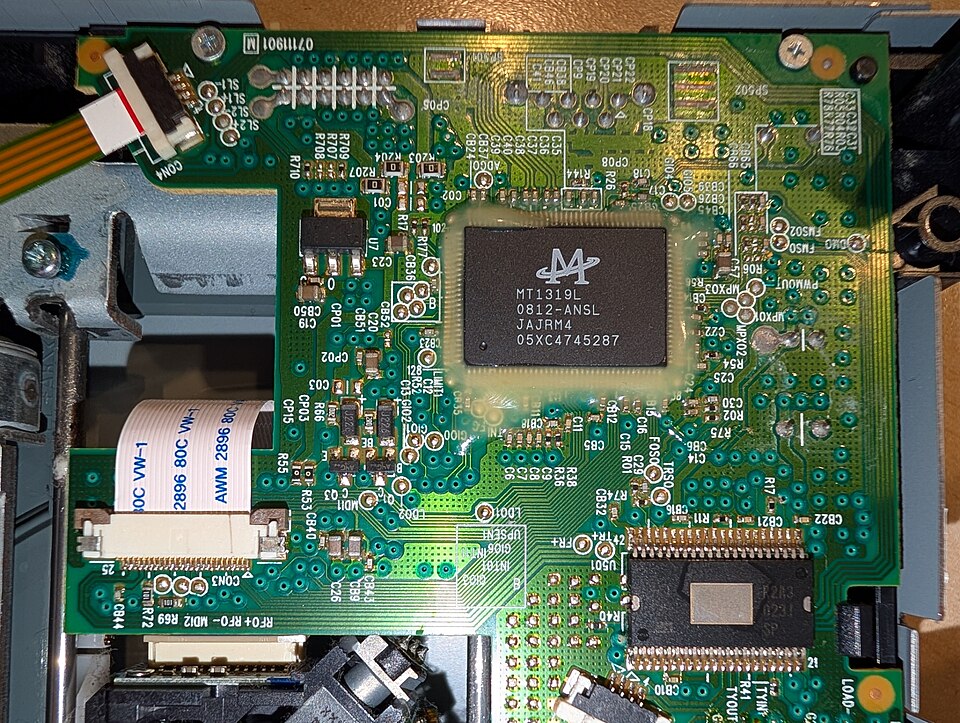
The phones did not go into service as phones. Researchers removed the motherboards and stripped away everything else: displays, camera arrays, batteries, and the Android operating system. The boards were then loaded with Linux and arranged into self-governing clusters of 25 to 50 devices each.
Removing Android also meant removing consumer protections that would have gotten in the way of server use, such as a low-memory killer function designed to keep individual phones running smoothly. In a server environment, that kind of function works against the goal.
The results were competitive. According to Google, the Pixel motherboards performed better or at least on par most of the time with professional server racks like the Asus RS720A, a widely used choice in enterprise data centers.
For UC San Diego, the practical outcome was significant. Twenty Pixel boards were enough to support a class of more than 75 students. With all 2,000 units running, the system could support 100 classes at once. The cost of the phones and the setup time came out to a fraction of the price of equivalent commercial server hardware.
Google says that the vast majority of school usage, including teaching, grading, and research, is "within the capabilities of a single smartphone to host." If UC San Diego's experiment holds up, the model could be replicated at colleges around the world, putting discarded consumer hardware to use in campus computing infrastructure.
UC San Diego plans to launch the system in the fall 2026 semester. The university also intends to study how long consumer-grade electronics can sustain the demands of a server environment over time.
The project does not scale to industrial data center needs. Professional data centers process hundreds of gigabytes per second at minimum, and AI applications require far more powerful infrastructure. But the experiment points to a real and practical use for electronics that would otherwise sit unused or end up as waste.