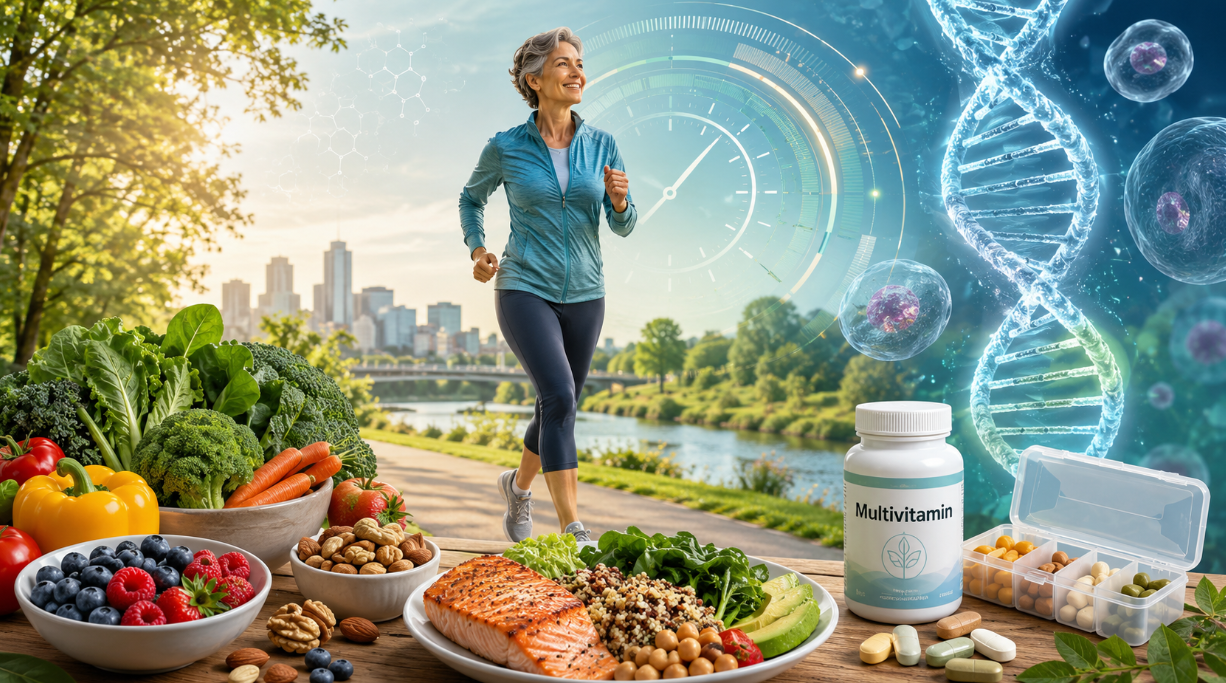
Three separate lines of research point toward the same conclusion: what people eat, how fit they are, and whether they take a daily multivitamin may all affect how fast they age at a cellular level. The findings come from studies reviewed by Healthline and cover diet, exercise, and supplementation as separate but related factors in biological aging.
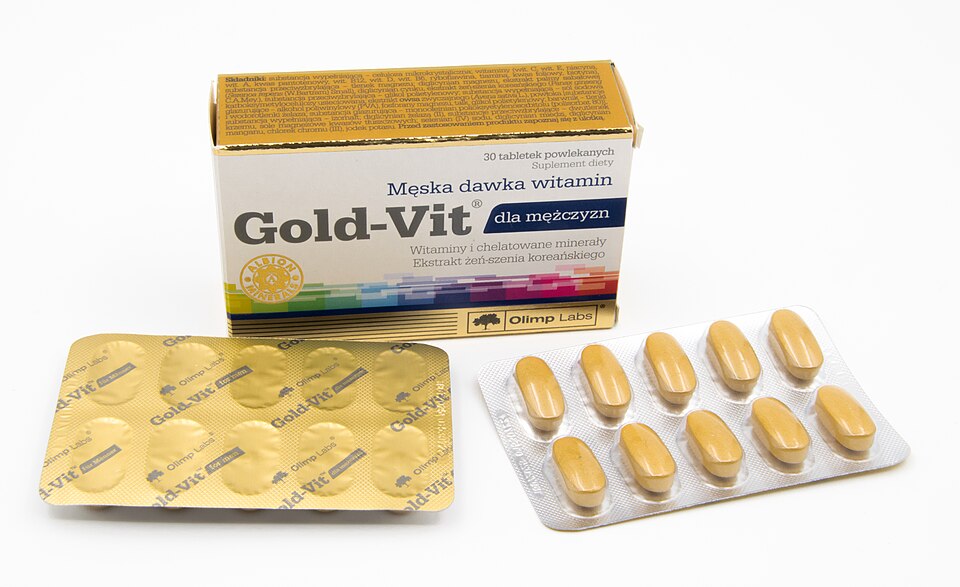
One study used what researchers call epigenetic clocks to measure biological aging in participants who took Centrum Silver multivitamins and 500 milligrams of cocoa flavanols per day for 24 months. Epigenetic clocks are assessment tools that measure chemical changes to DNA. The study found that those who took the multivitamins experienced slightly slower biological aging than those in the placebo group.
Michelle Routhenstein, a preventive cardiology dietitian at Entirely Nourished, offered some caution about those results. "These are changes in biomarkers, not direct evidence of fewer heart attacks, cancers, or longer life span. So I would view the findings as encouraging but still preliminary," she told Healthline. Routhenstein was not involved in the study.
A separate 2026 study looked at cardiorespiratory fitness, which refers to the ability of the heart and lungs to deliver oxygen to the muscles during exercise. The study assessed 24,576 adults ages 65 years or younger using a treadmill test. Men with higher cardiorespiratory fitness had a 2% longer health span, 9% fewer diseases, and a 3% longer life span. The study noted similar findings among women.
Cheng-Han Chen, a board certified interventional cardiologist and medical director of the Structural Heart Program at MemorialCare Saddleback Medical Center in Laguna Hills, California, commented on those results in a previous interview with Healthline. "This study confirms our understanding of cardiorespiratory fitness as a marker of future health outcomes, and should encourage all of us to make physical activity a part of our daily lives," he said. Chen was not involved in the study.
A third area of research examined whether short-term dietary changes could affect biological age in older adults. Biological age refers to aging at a cellular level rather than the number of years a person has lived. Participants in that study adopted one of several different diets to assess whether food choices could close the gap between biological age and chronological age.
Sidong Li, a postdoctoral researcher in the Division of Preventive Medicine at Brigham and Women's Hospital in Boston, addressed the broader picture in a previous interview with Healthline. "Although everyone ages over time, there may be simple ways to delay the aging process and help us live not only longer but also better," Li said.
Frequent aerobic exercise has also been associated with slower onset of health conditions including heart disease, diabetes, and stroke, according to the Healthline report. Researchers have not yet established whether any of these interventions directly extend life span, but the body of evidence connecting fitness, diet, and supplementation to biological aging measures continues to grow.