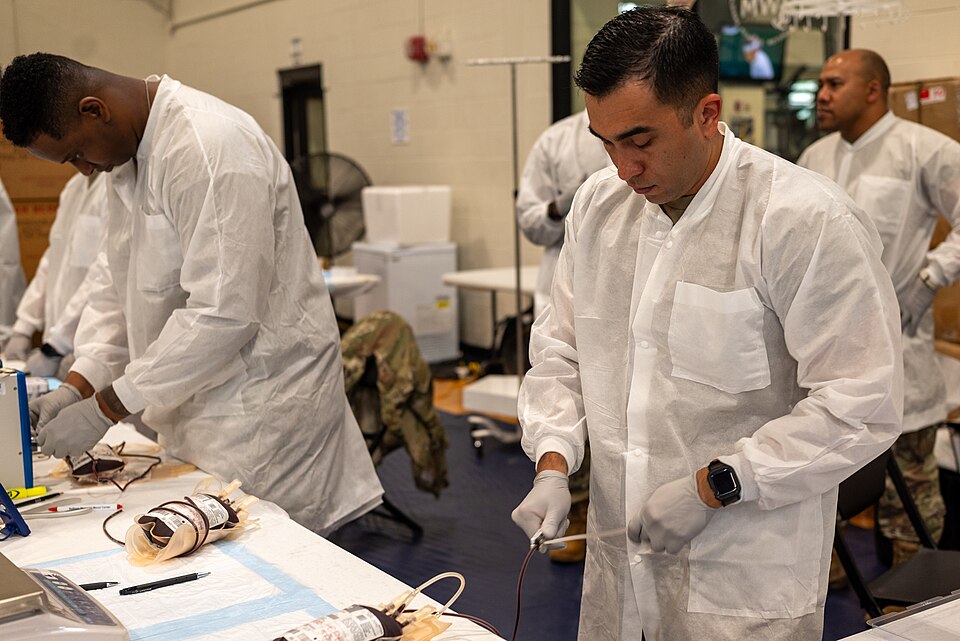
The American Red Cross has declared a national blood supply crisis after blood donations fell to a four-year summer low. The organization now has less than a one-day supply of type O positive blood and has started limiting how much it ships to hospitals.
This is only the second time the Red Cross has declared a crisis at this level. The first was in January 2022 during the COVID-19 pandemic. According to Healthline, the Red Cross had first declared a blood shortage in June after the national blood supply fell by around 25 percent. The situation worsened when hospital blood shipments outpaced donations for several consecutive days, pushing the supply from a shortage into a full crisis.
A shortage and a crisis are not the same thing. A shortage happens when supplies drop below ideal levels, often due to predictable seasonal declines. A crisis occurs when supplies fall below critical safety thresholds, threatening patient care directly.
Jessa Merrill, biomedical communications director for the American Red Cross, explained why the stakes are high. "One in 7 patients entering the hospital needs a blood transfusion; not all of those patients are emergency trauma cases. They might be a new mother experiencing birth complications, someone undergoing heart surgery or a knee replacement, or a patient who relies on regular transfusions to fight cancer or sickle cell disease. 80% of those patients may require type O positive blood," said Merrill.
Type O positive is the most commonly transfused blood type. It accounts for about 60 percent of the Red Cross's blood distributions because it is essential for both everyday patient care and medical emergencies. That makes it the hardest type to keep stocked and the first to run low when donations slow.
Merrill warned that the shortage could force difficult decisions if donors do not respond quickly. "If more donors don't give blood in the days and weeks to come, doctors will be forced to make difficult choices about who receives blood and who must wait," she told Healthline.
Blood shortages do not mean hospitals stop transfusions entirely. Hospitals continue to manage their supplies carefully, prioritizing the most urgent cases. But the margin for error shrinks when inventory runs this low, and patients in less acute situations may face delays.
The Red Cross has implemented several prevention measures since the 2022 crisis, including enhanced planning with hospitals to better anticipate blood needs. Those efforts were not enough to offset elevated demand this summer combined with persistent collection challenges.
To encourage donations in August, the Red Cross is offering a $20 Amazon e-gift card to anyone who gives blood this month. Eligible donors can schedule an appointment at RedCrossBlood.org, through the Red Cross Blood Donor App, or by calling 1-800-RED-CROSS.