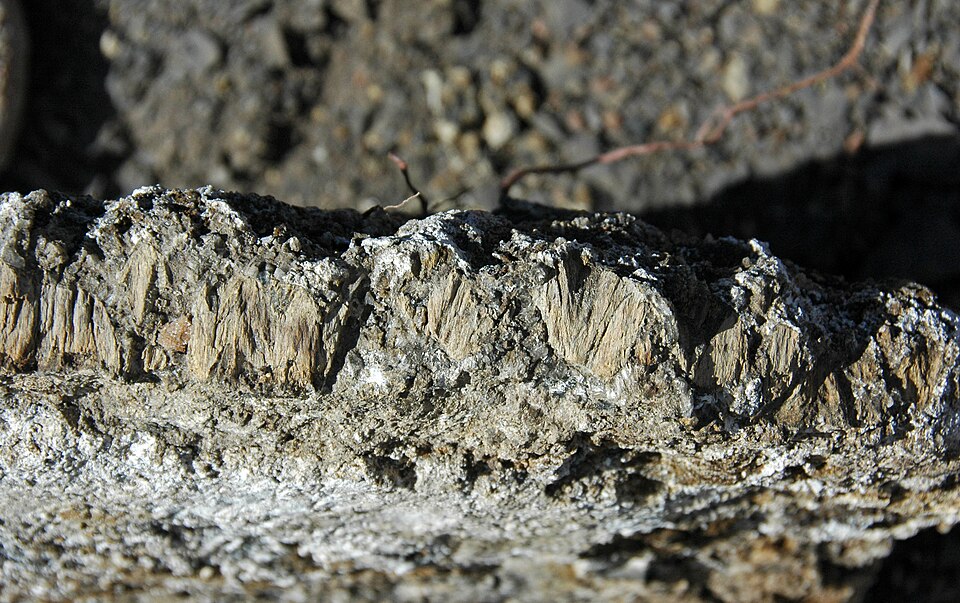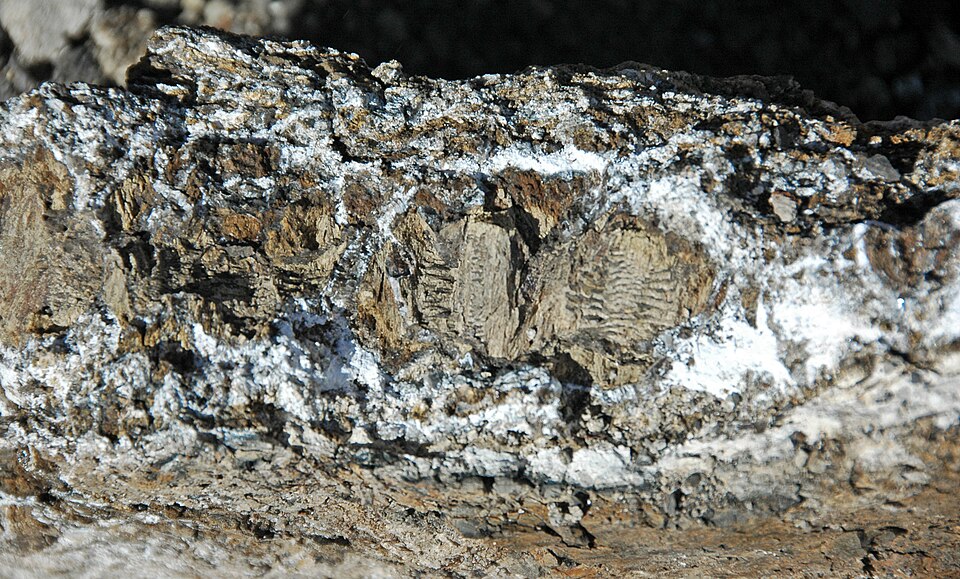
The North Pole Dome crater in Western Australia is still the oldest known meteorite impact structure on Earth. But it is not nearly as old as scientists thought. A new study puts the crater's age at a little more than 3 billion years, knocking nearly half a billion years off the previous estimate, according to Live Science.
The crater sits in Western Australia's Pilbara region, an area known for holding some of the planet's most ancient rocks. Even with its revised age, it still holds the record. The next-oldest known impact crater, the Yarrabubba impact structure, also in Western Australia, is roughly 800 million years younger.
The revision is a significant one. Just last year, the same lead researcher, Chris Kirkland, a professor in the School of Earth and Planetary Sciences at Curtin University in Australia, published a study claiming the crater was 3.47 billion years old. That paper described the evidence as unequivocal. Four months after that study appeared, a separate team published research in the journal Science Advances calling those results inaccurate, arguing the impact occurred no earlier than 2.7 billion years ago.
The new study lands between those two figures, closer to the more recent estimate.
Kirkland's team reached their updated conclusion by analyzing minerals inside cone-shaped rock formations called shatter cones. These structures form when shock waves from a meteorite impact travel downward through rock. By dating zircon, apatite, calcite, and muscovite minerals found within the shatter cones, the researchers were able to estimate when the impact took place.
Zircon was central to the analysis. "The key evidence comes from zircon, a tiny but extraordinarily resilient mineral that can keep geological time for billions of years," Kirkland said. "Some zircons at North Pole Dome have unusual branching, skeletal shapes. We interpret these as impact-modified crystals, formed when older zircon was disrupted, partly recrystallised, and in places regrown during the intense heating caused by the impact."
The team analyzed two samples of shatter-cone-bearing rocks along with a shocked quartz vein, which is a sheet-like deposit that typically forms when superhot, mineral-rich water circulates in the cracks between shocked rocks.
The ages recorded in zircon matched those locked inside apatite minerals. That agreement between two separate mineral clocks gave the researchers confidence in their revised date. The younger ages found in the earlier Science Advances study may have resulted from shatter cones that formed later, through tectonic and thermal activity rather than the original impact.
"While the site had previously been identified as an ancient impact structure, its exact age remained uncertain," Kirkland said. "The impact left a 'mineral clock' behind. By dating minerals that were remade or newly grown in the damaged rocks, we can now pin down when this extraordinary event happened."
The study puts a clearer date on a crater that has been difficult to age precisely. It also shows how quickly scientific consensus on deep-time geology can shift when new techniques and competing research are brought to bear on the same site.