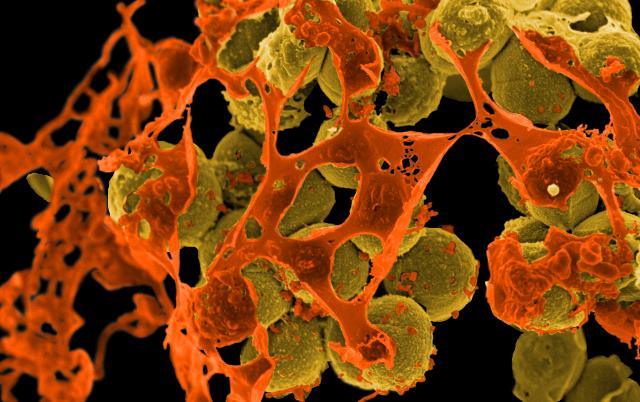
Hospital workers' smartphones are carrying some of the most dangerous bacteria in the world, according to the largest study of its kind. An international research team analyzed DNA samples from 95 mobile phones belonging to health care workers in Australian and UAE hospitals. What they found was striking: each phone carried an average of 3.62 species from the 10 bacteria associated with the highest global mortality rates.
The findings were published in the journal MicrobiologyOpen, according to a report by Phys.org. The bacteria identified included Staphylococcus aureus, Pseudomonas aeruginosa, Klebsiella pneumoniae and Escherichia coli. All four are designated priority pathogens by the World Health Organization. Together, bacterial infections from pathogens like these caused 13.7 million deaths worldwide in 2019 alone.
The research team used a technique called metagenomics to scan raw DNA from the phone surfaces. This method allowed scientists to identify not only the bacterial species present but also the genes those bacteria carry to resist antibiotics. That second finding is especially concerning. The phones were not just carrying dangerous bacteria. They were carrying the genetic tools bacteria use to share and spread antibiotic resistance to other microbes.
Researchers coined the term "phonome" to describe the full microbial ecosystem found on a mobile phone, including the complex communities of bacteria and disease-causing genes living on the device's surface. The phone samples came primarily from emergency departments and pediatric wards, including neonatal and pediatric intensive care units, where patients are among the most vulnerable.
Dr. Lotti Tajouri of Bond University, one of the study's authors, said the problem comes down to a gap in how hospitals approach infection control.
"Hospitals place a strong emphasis on hand hygiene, but mobile phones are often overlooked despite being handled constantly in clinical settings," Tajouri said. "These devices move between wards, patient areas and personal spaces, yet they are rarely disinfected as part of routine infection-control practices."
Tajouri said regular phone disinfection protocols could become an additional tool in reducing the spread of hospital-acquired infections. Another author, Dr. Adrian Goldsworthy, acknowledged the study did not prove that phones directly transmit infections to patients. But he said the findings point to an important contamination pathway that has largely been ignored.
The study's authors describe the current situation as a blind spot in infection control. Strict hand hygiene practices, long a cornerstone of hospital safety, may be undermined if the phones in those same hands are never cleaned. The research team includes several scientists from Bond University, and the study draws on hospital data from two countries, giving it a broader geographic scope than most previous work on this topic.
The researchers stop short of calling for immediate policy changes but suggest the findings are strong enough to warrant adding phones to routine disinfection protocols in clinical settings.