A study out of Japan has turned a basic assumption of nutrient biology upside down. Researchers found that gut cells in fruit flies are replaced more often when food is scarce, but the trigger is not any specific nutrient. Instead, it appears to be how watery the inside of those cells becomes.
The finding was published in Proceedings of the National Academy of Sciences by a team led by Sa Kan Yoo at the RIKEN Center for Biosystems Dynamics Research in Japan, and was reported by Phys.org.
The standard model of nutrient sensing holds that cells detect specific molecules and respond through known signaling pathways. For example, blood sugar is detected by cells in the pancreas, which then produce insulin. Amino acids, particularly leucine, trigger cell growth in most cells, and their absence causes cells to self-digest. In each case, the biological response depends on what type of nutrient is present.
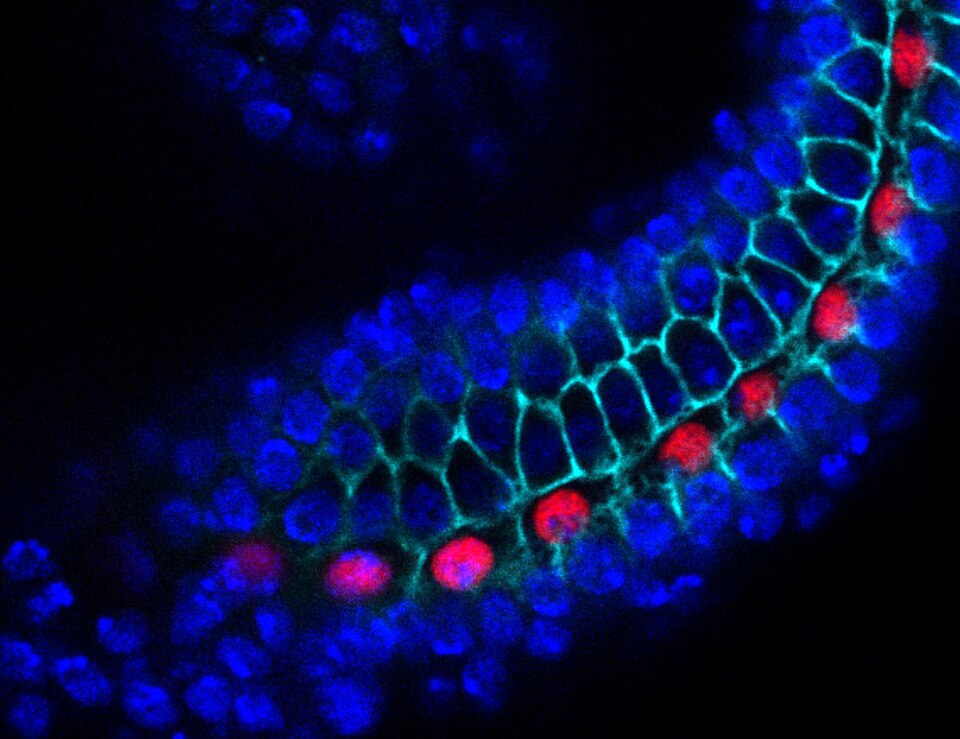
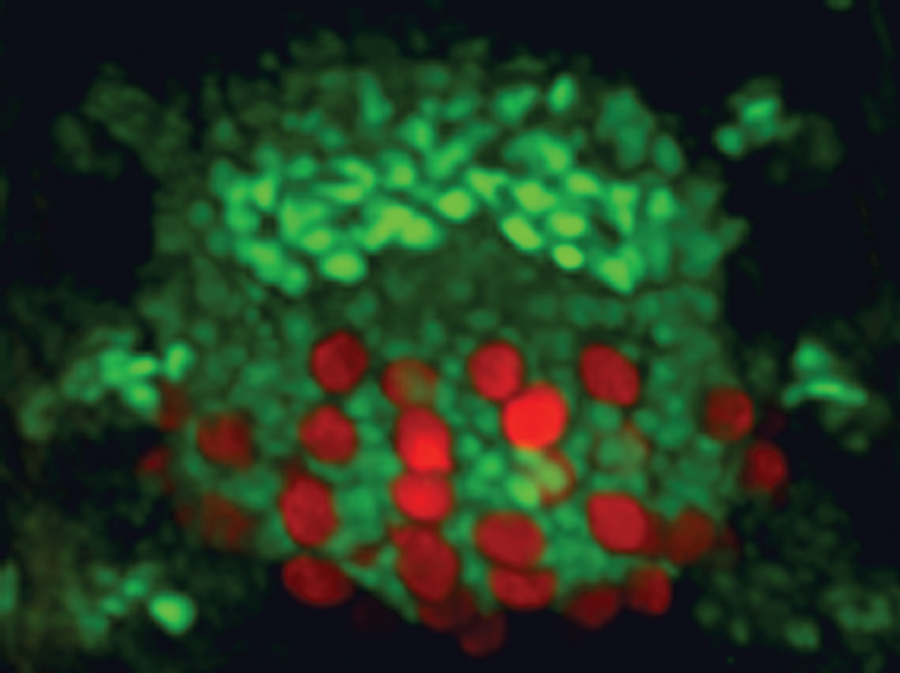
Yoo's team was studying a newly identified form of cell death in gut cells, which they named erebosis. Scientists do not yet fully understand the process, but it appeared to be connected to nutrient levels. The researchers set out to find out how.
At first, things went as expected. Erebosis increased when flies were fed a low-yeast, high-sugar diet. Reducing amino acid concentration by 90 percent triggered erebosis. That fit the standard model.
Then the results got strange. The team blocked the known biological pathways that detect amino acids, expecting that to also block erebosis. It did not. They then tested each individual amino acid at normal concentrations. None of them suppressed erebosis. Only when concentrations were greatly increased did suppression occur, and it worked for every amino acid, not just specific ones.
That pointed away from any particular nutrient being the trigger. The team then looked at features all amino acids share. Even blocking amino acid metabolism did not stop the effect.
The project stalled.
"Originally, we thought amino acids affect specific biochemical pathways, or that their byproducts such as ammonia, urate or uric acid were involved," Yoo explained. "However, no matter what we manipulated, we got the same results. The project got stuck for a year."
The source material ends before revealing the breakthrough that resolved the mystery, but the work already documented marks a significant departure from how scientists have understood nutrient sensing in the gut. If confirmed and extended to other organisms, it could reshape thinking about how hunger is measured at the cellular level.
The research was conducted using Drosophila fruit flies, a common model organism in biology. Whether the same mechanisms operate in mammals, including humans, remains an open question.