Archaeologists have discovered evidence suggesting people used cannabis for its mind-altering effects as early as 2,800 years ago. The discovery comes from an ancient burial mound in southern Siberia, where researchers recovered more than 1,400 cannabis seeds and detected cannabis-related chemical compounds in preserved human hair.
The findings were published November 5, 2026, in the journal Science. Researchers believe the discovery could push the earliest directly dated evidence of intoxicating cannabis use back approximately 300 years, although some independent experts have questioned the strength of the chemical analysis.
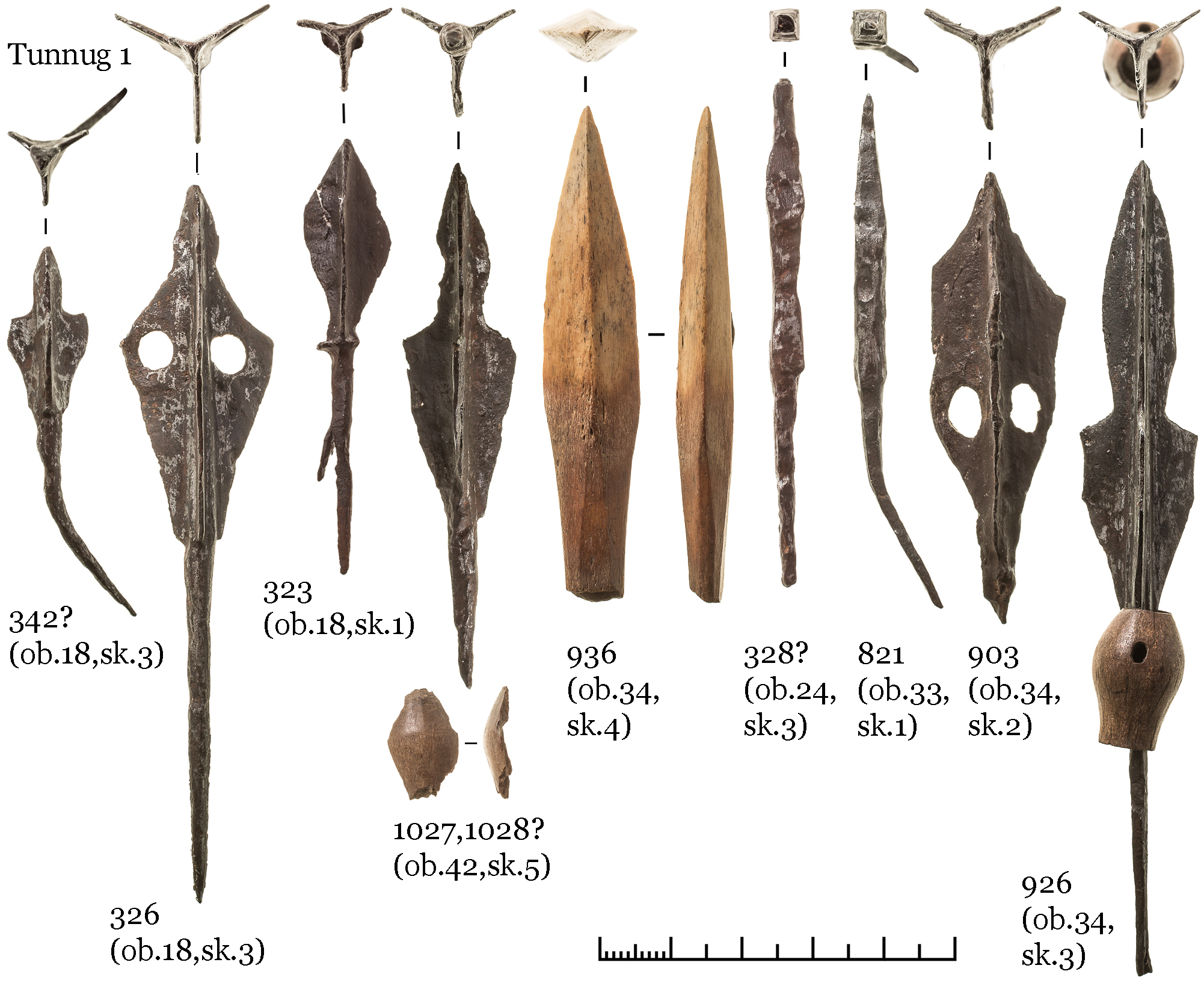
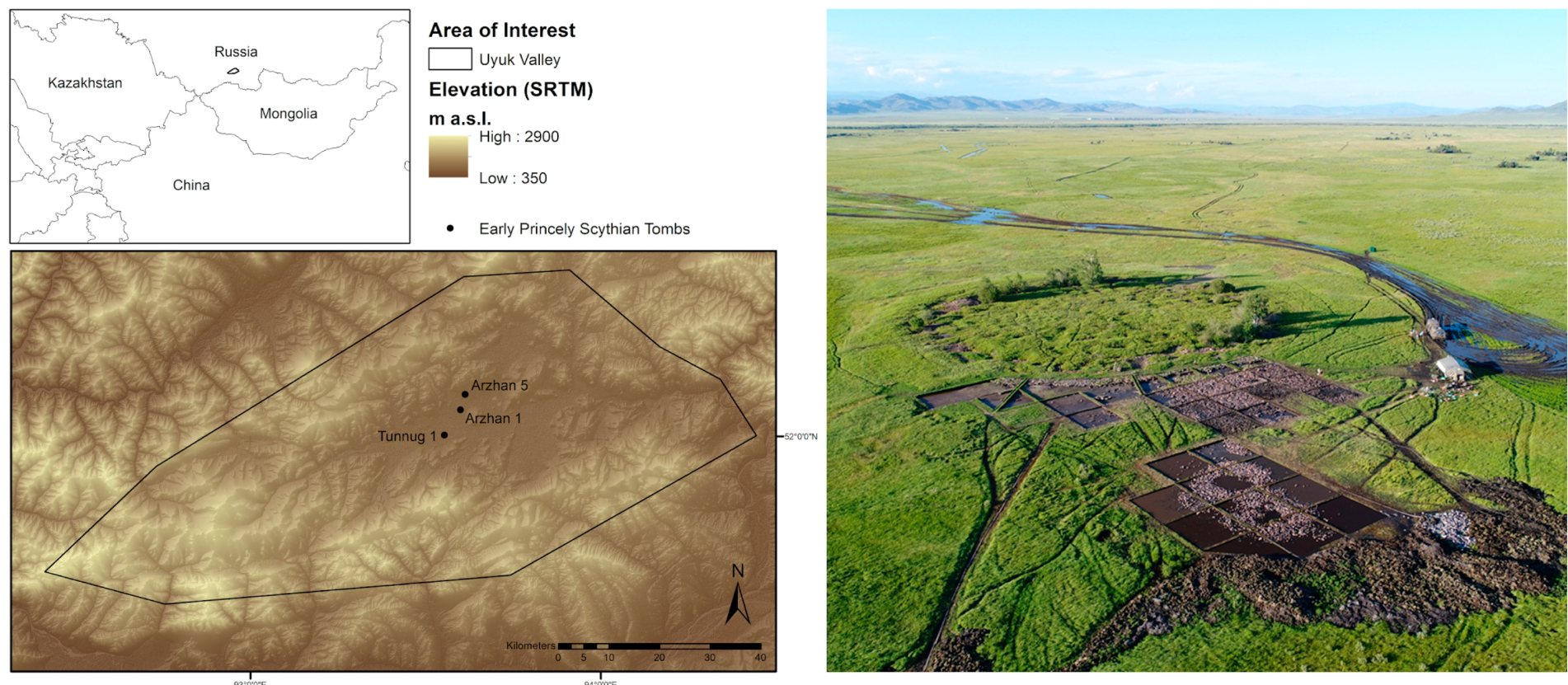
The burial site, known as Tunnug 1, lies in the Uyuk Valley of Russia's Tyva Republic near the Mongolian border. It belonged to the early Scythians, a group of horse-riding peoples who inhabited large parts of the Eurasian steppe during the Iron Age.
An international research team led by archaeologist Gino Caspari of the University of Bern and Germany's Max Planck Institute of Geoanthropology examined plant remains and human hair recovered from the tomb. Combining these materials provided an unusual opportunity to investigate whether ancient people used cannabis for more than food, fiber or other practical purposes.
Cannabis Seeds Found in Ancient Royal Tomb
The researchers began excavating Tunnug 1 in 2017. The enormous burial mound, approximately 140 meters across, contains evidence of elaborate funeral ceremonies associated with high-ranking members of Scythian society.
Among the discoveries were more than 1,400 cannabis seeds, including intact and fragmented specimens. Their location within the burial deposits suggested that they were deliberately placed in the tomb rather than introduced accidentally.
Scientists used radiocarbon dating to examine six seeds directly. The results placed their deposition around the beginning of the eighth century B.C., approximately 2,800 years ago.
The seeds appear to have come from wild or wild-like cannabis plants. Researchers could not determine whether the plants were cultivated or selected for their chemical properties.
Cannabis has served numerous purposes throughout human history, including producing fibers for textiles and seeds for food or oil. Finding seeds in an ancient grave does not automatically establish that people consumed the plant as a drug.
That distinction made another discovery especially important. Researchers recovered preserved human hair from the same burial area and tested it for chemical evidence of cannabis exposure.
Ancient Hair Reveals Chemical Traces of Cannabis
Laboratory analysis identified signals consistent with cannabinol, commonly called CBN, in several hair samples. Cannabinol can form when tetrahydrocannabinol, or THC, breaks down through oxidation.
The researchers also reported weaker chemical signals consistent with THC itself. THC is the main compound responsible for cannabis's intoxicating effects.
Using high-resolution mass spectrometry and other analytical techniques, the team examined these molecular traces in material preserved for nearly three millennia. The combination of cannabis seeds and chemical evidence in human hair led the researchers to suggest that people at the site used the plant for its psychoactive properties.
However, the testing could not establish how much cannabis was consumed. It also could not determine whether people inhaled smoke, ingested the plant or encountered its compounds through another form of exposure.
The Associated Press reported that forensic toxicologist Volker Auwärter of Germany's University Medical Center Freiburg questioned the hair analysis. He argued that the evidence did not adequately distinguish actual consumption from possible external contamination.
Auwärter was not involved in the research. His criticism raises an important limitation because chemical compounds found on ancient hair do not necessarily prove that they entered a person's body through intentional drug use.
The researchers nevertheless consider the combination of directly dated plant material and chemical traces in human remains significant. Their interpretation supports the possibility that cannabis played an intoxicating role in early Scythian society.
Cannabis May Have Played a Role in Burial Rituals
The surrounding archaeological evidence suggests that cannabis was associated with elaborate funeral ceremonies. Tunnug 1 contained the remains of sacrificed horses and human bones, pointing to burial practices that involved considerable preparation and ritual activity.
Earlier excavations identified 18 horses arranged around parts of the mound. Researchers have since uncovered evidence of additional horse sacrifices along with scattered human remains.
Caspari and his colleagues believe some of the human remains may also reflect ritual sacrifices. However, the exact circumstances surrounding those deaths have not been established.
One possibility is that cannabis was used during ceremonies involving mourners or individuals selected for sacrifice. Researchers have raised the possibility that its intoxicating effects could have influenced participants, but the archaeological evidence does not establish who consumed it or why.
The discovery fits within a broader pattern of ceremonial plant use documented across ancient Eurasia. Several societies incorporated plants with intoxicating properties into religious gatherings, healing practices and ceremonies honoring the dead.
The Scythians are particularly relevant because ancient Greek historian Herodotus described their use of cannabis during purification rituals in the fifth century B.C. His account referred to people placing the plant on heated stones and inhaling the resulting vapor.
Although Herodotus wrote centuries after the Siberian burial, his description has long interested archaeologists studying cannabis in ancient Central Asia. The new findings provide earlier physical evidence that may help researchers understand the development of these practices.
Discovery Predates Evidence From Ancient China
Before the Siberian study, some of the strongest archaeological evidence for intoxicating cannabis use came from the Jirzankal Cemetery in western China. That burial site, located in the Pamir Mountains, dates to approximately 500 B.C.
In 2019, researchers published findings in Science Advances showing that cannabis had been burned in wooden braziers during funeral ceremonies. Chemical residues suggested that the plants contained substantial amounts of psychoactive compounds.
The Jirzankal discovery provided evidence that cannabis smoke was inhaled during ancient burial practices. The newly examined Siberian material predates those findings by roughly three centuries.
However, the Siberian study does not establish that people first discovered cannabis's intoxicating properties 2,800 years ago. Its significance lies in providing unusually early archaeological evidence that can be connected to a specific period.
Human relationships with cannabis extend much further into prehistory. Archaeological and genetic research indicates that people used or cultivated the plant thousands of years before the Scythian period.
Early communities valued cannabis for its seeds and strong fibers, which could be used for food, rope and textiles. Determining when people began deliberately seeking its intoxicating effects remains considerably more difficult.
Researchers Plan Further Genetic Studies
The research team is continuing to investigate the ancient plant remains recovered from Tunnug 1. One priority involves examining preserved cannabis DNA to understand how the plant spread across Eurasia and eventually became domesticated.
The preservation of genetic material at the burial site has created an opportunity to study cannabis plants from a period rarely represented in surviving archaeological samples. Comparing those specimens with ancient and modern varieties could help researchers reconstruct the plant's history.
The discovery does not reveal the THC concentration of the ancient cannabis. Scientists also cannot determine whether the Scythians cultivated stronger varieties or collected plants growing naturally in their surroundings.
Further chemical testing may help clarify whether the compounds detected in the hair reflect consumption rather than environmental exposure. That distinction remains central to assessing the researchers' interpretation of the evidence.
For now, the Siberian burial provides an unusually detailed connection between cannabis plants, ancient human remains and ceremonial practices. The next question is whether additional archaeological evidence can establish exactly how these early communities used the plant.