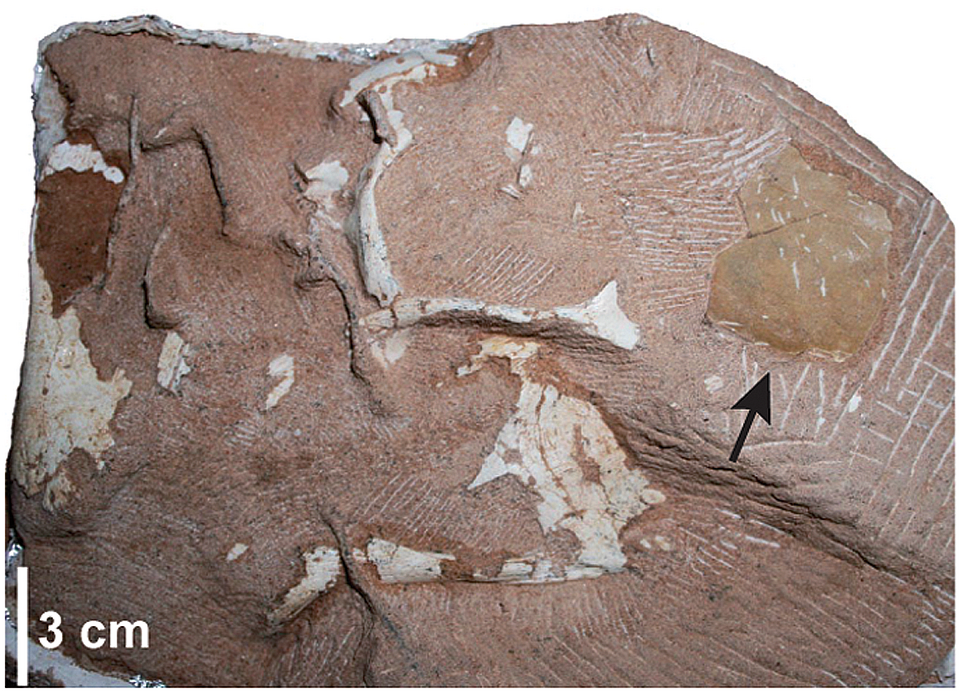
Buried in the Namib Desert, one of the oldest deserts on Earth, researchers found something unexpected locked inside 15-million-year-old eggshells: a record of how plants responded to a warmer planet.
The eggshells belonged to long-extinct giant birds that lived during the middle Miocene Epoch, roughly 17 million to 15 million years ago. During that period, carbon dioxide levels were slightly higher than they are today. Global temperatures were warmer, sea levels were higher, and water had not yet fully locked into the great polar ice sheets.
Scientists have long studied the Miocene because it offers a preview of what Earth may look like in coming decades. Most predictions show that in the near future, greenhouse gas levels in the atmosphere will meet or exceed what was seen during that period.
To read that ancient climate record, researchers developed a laser-based technique that measures tiny variations in oxygen atoms preserved directly inside fossil eggshells. The method requires ten times less material than previous attempts and can reach material far older than what ice cores can access. The findings were published in the journal Geochimica et Cosmochimica Acta, as reported by Phys.org.
The science behind the technique rests on a chain of biological processes. Plants take in carbon dioxide and release oxygen, but in doing so they preferentially absorb certain isotopes, altering the proportions left in the atmosphere. Birds then absorb that oxygen through breathing and eating. Over time, those isotopic proportions become locked into the mineral structure of eggshells.
By measuring those proportions in fossils, researchers can work backward to understand how actively plants were processing CO2 during the Miocene. The eggshells act as a molecular time capsule, preserving conditions from a world that no longer exists.
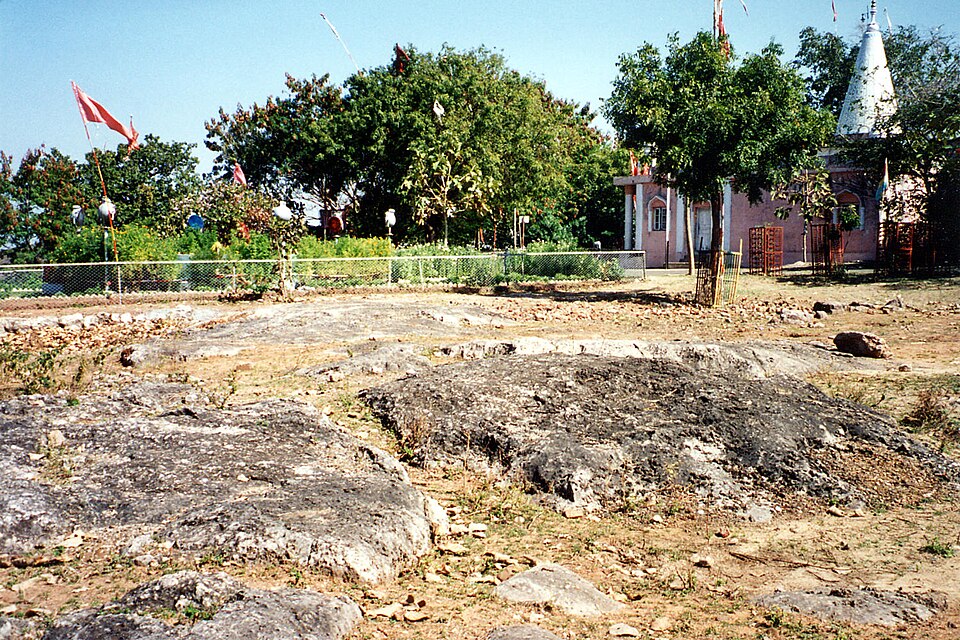
The research was conducted by isotope specialist Drake Yarian and a co-author who described the Miocene as an intermediate world, geologically speaking: far more recent than the age of dinosaurs but still millions of years before the first humans climbed down from the trees. The Namib Desert, where the fossils were found, stretches 2,000 kilometers across Angola, Namibia, and South Africa.
The technique's reduced material requirement opens the door to studying a wider range of ancient fossils that were previously too fragile or too scarce to sample using older methods. Researchers said the findings shed light on how vegetation responded to greenhouse conditions and what that response may mean for understanding future climate change.