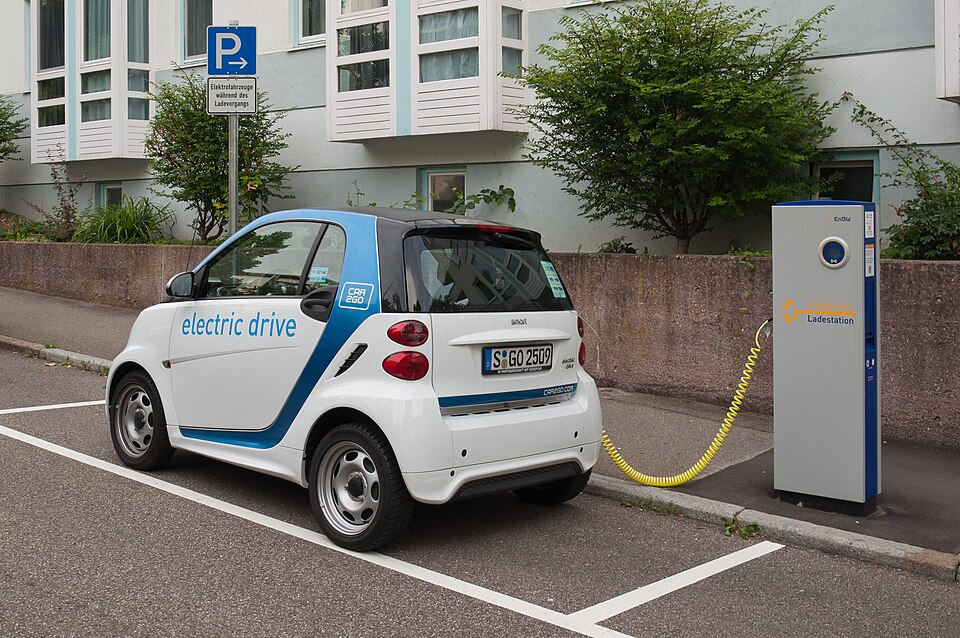
Electric vehicles are increasingly being seen as more than just transportation. A growing body of work around vehicle-to-grid technology, often called V2G, describes how cars with large battery packs could one day help stabilize the electrical grid by sending stored power back to utilities during periods of high demand, according to a report from Simply Wall St.
The concept is straightforward. An electric vehicle's battery holds a significant amount of energy. Most of the time, a parked car sits unused for hours. If the car is connected to the grid through a compatible charger, and if the software and hardware allow for two-way power flow, the vehicle could discharge some of its stored electricity into the grid when it is needed and recharge later when demand is lower and electricity is cheaper.
Grid operators deal with a fundamental challenge in balancing supply and demand. Electricity must be generated at the same moment it is consumed, and managing that balance becomes harder as more intermittent renewable energy sources like solar and wind are added to the system. Storage helps solve that problem. Utility-scale battery installations have grown rapidly, but they are expensive to build. Distributed storage sitting in millions of driveways and parking lots represents an enormous potential resource that would not require separate infrastructure investment.
The practical challenges are significant. Not all electric vehicles currently support two-way charging. The technology requires compatible onboard hardware, a compatible charging station, and software agreements between the automaker, the charger manufacturer, and the utility. Automakers have been slow to enable V2G capability in their vehicles, partly due to concerns about battery degradation from additional charge cycles and partly due to the complexity of coordinating with utilities.
Some automakers have moved ahead. Ford's F-150 Lightning has offered bidirectional charging, and Volkswagen has announced V2G support for some of its European models. Nissan has offered vehicle-to-home functionality in some markets for years. But broad adoption across the industry remains limited.
Utilities and grid operators in several countries have begun running pilot programs to test how V2G systems perform at scale. These programs are trying to answer questions about how much capacity can realistically be made available, how to compensate vehicle owners for the power they provide, and how to prevent the systems from being gamed or destabilized.
For individual car owners, V2G could eventually represent a financial benefit. If utilities pay for the electricity that flows back from parked vehicles, owners could offset some of their charging costs. The details of how those payment structures would work remain under development in most markets. Regulatory frameworks for compensating distributed energy providers vary widely by region and have not yet caught up to the technology in most places.