Brazil now has at least 82 non-native mollusk species living in its waters and on its land, a figure that represents a 215 percent increase from the 26 species recorded in 2011. The findings come from a study published in the journal Biological Invasions, which describes it as the most comprehensive inventory of non-native mollusks ever conducted in Brazil.
Of those 82 species, 20 are considered invasive because they cause ecological, socioeconomic or health damage. Another 13 have insufficient data to determine their impact, and 13 additional species have origins that researchers could not confirm.
Marcel Sabino Miranda, one of the study's authors and a postdoctoral researcher who conducted the work at the Oceanographic Institute of the University of São Paulo, said the rate of new arrivals is accelerating. "We've observed an accelerated rate of introduction of non-native mollusks in Brazil, as well as persistent gaps in our taxonomic and ecological knowledge of those species," Miranda said.
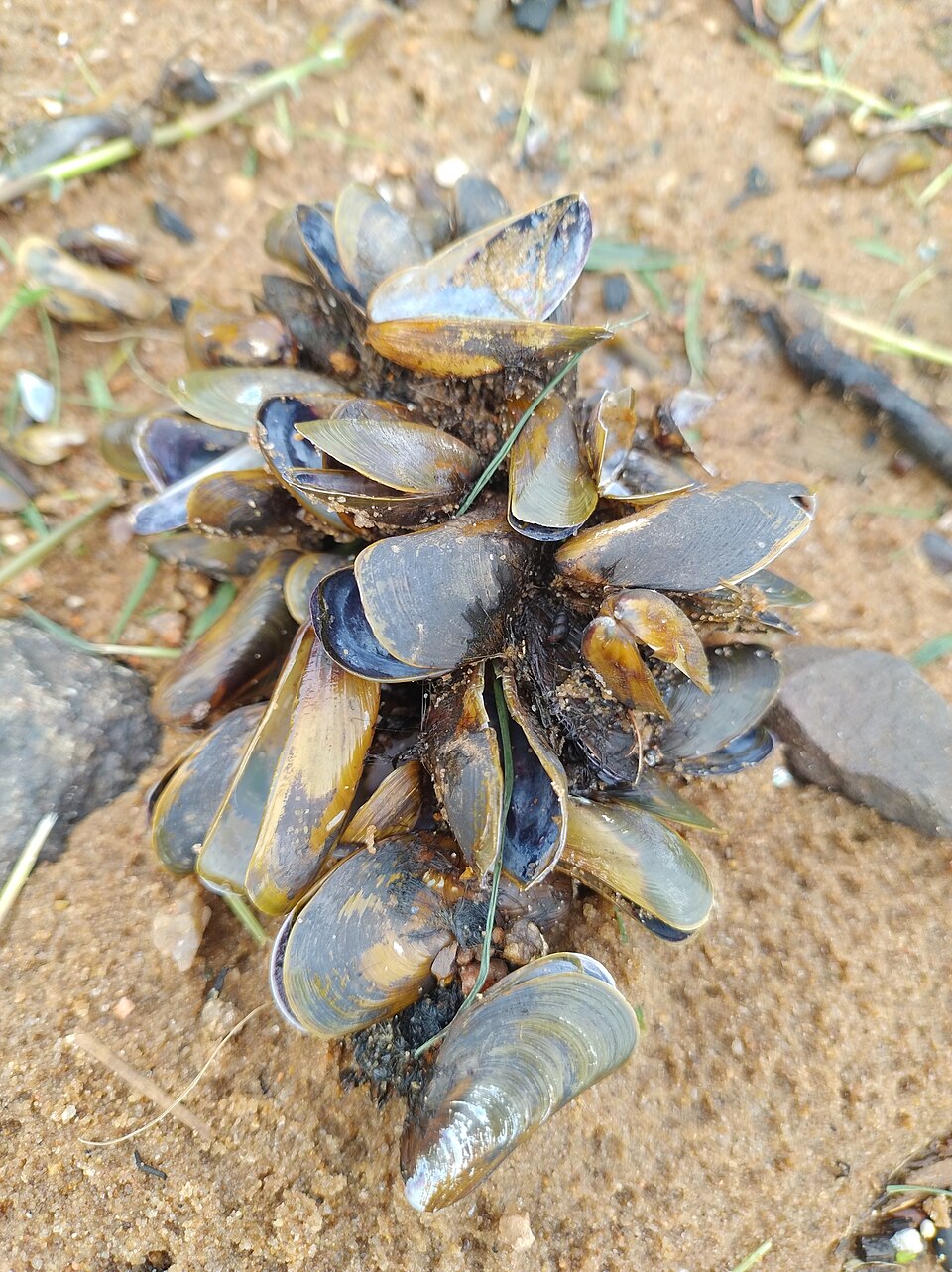
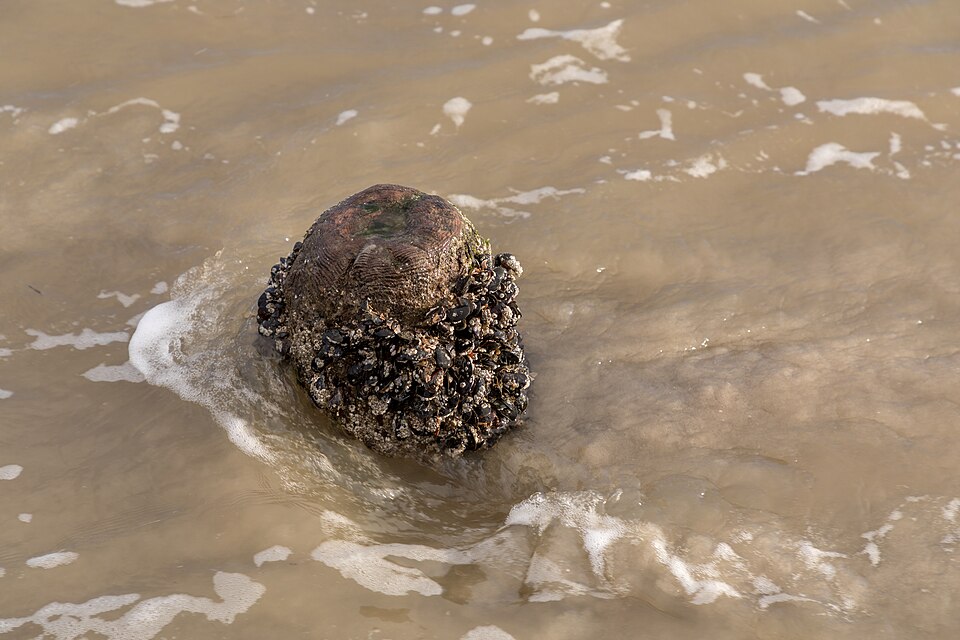
Two species stand out for the scale of their impact. The golden mussel, known scientifically as Limnoperna fortunei, likely arrived in Brazil in the early 1990s following a chain of invasions that originated in China. It is now widespread throughout South America. The mussel clogs and reduces the efficiency of hydroelectric plants, and approximately $10 million has already been spent trying to combat it in Brazil. Despite an active control plan, it continues to spread.
The African snail, Lissachatina fulica, arrived through a different route. It was introduced as an alternative to escargot, but cultivation was abandoned and the species spread across the country. It can damage crops and serves as an intermediate host for Angiostrongylus cantonensis, a parasite that can cause meningitis in humans.
Miranda cautioned against assuming the worst about every species on the list. "Some species, such as the golden mussel and the African snail, are problematic, but we don't know if most species are or will be harmful," he said. Miranda is currently a postdoctoral fellow at the University of Alabama.
The survey covers marine, freshwater and terrestrial environments. Researchers noted that the classification of some species remains uncertain because many descriptions are outdated and lack the biogeographic or molecular data needed to confirm their origins. The 13 species labeled cryptogenic were deliberately left unclassified to avoid errors like those that occurred with the mussel species Perna perna.
The authors are calling for stronger biosecurity measures, better early detection systems and long-term monitoring across all environments. They also argue that when invasive species do cause harm, the nature and scale of that harm should be formally assessed. Researchers noted that biological invasions are considered one of the leading causes of global biodiversity loss, but invasions involving mollusks specifically remain poorly documented in Brazil, where scientific attention has historically focused on fish, arthropods and mammals.