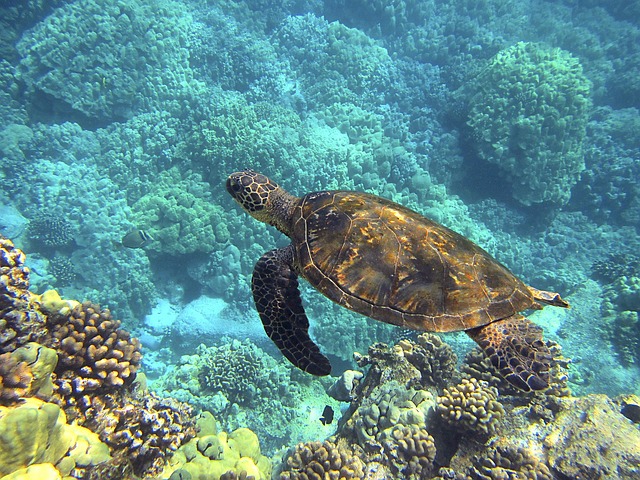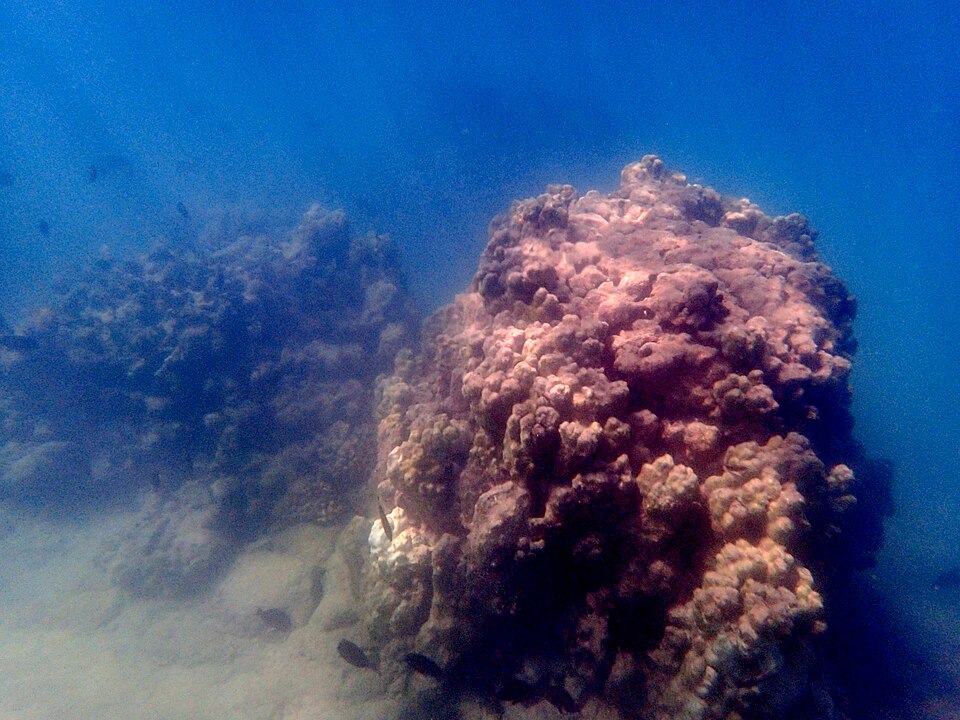
A new study projects that the decline of coral reefs in Hawaiʻi could cost residents between $1.8 billion and $3 billion in lost reef-related recreation by the end of the century. The losses will not fall evenly across the population.
According to a report by Phys.org, the research was published in the journal Ecological Economics and was led by scientists at the University of Hawaiʻi at Mānoa's College of Tropical Agriculture and Human Resilience, along with researchers from the Norwegian University of Life Sciences and the University of Trento. The authors describe it as one of the first studies to combine detailed ecological models with community-level economic data across the entire state.
Lead author Ashley Lowe Mackenzie, an affiliated faculty member in the university's Department of Natural Resources and Environmental Management, explained what the research was trying to make visible.
"Coral reefs are foundational to life in Hawaiʻi culturally, ecologically and economically," Mackenzie said. "Our work makes visible something that is often invisible in policy conversations by valuing real welfare losses that residents will experience as these ecosystems degrade."
The research team used a biophysical simulation called the Atlantis ecosystem model to project how coral cover will change across nearshore reef systems through 2100. They tested three climate pathways representing low, mid-range, and high global emissions scenarios. By linking those ecological projections to a recreation demand model, the team mapped potential economic losses at a precise one-kilometer resolution across the state.
The $1.8 billion to $3 billion figure covers only local recreational use, including swimming, snorkeling, and diving. The authors note that this means their estimate is a lower bound on total economic damage, since it does not include tourism revenue, commercial fishing, or coastal protection values.
The projected losses follow a geographic pattern. The earliest and most severe damage is expected along the leeward, or west and south, coasts of Hawaiʻi Island and Maui. By mid-century, recreational losses are projected to reach Oʻahu. Under a high-emissions scenario, nearshore reefs face near-total collapse by 2100. Under a low-emissions scenario, some windward coastlines show signs of partial recovery late in the century.
One of the more striking findings involves environmental justice. The researchers used the U.S. Environmental Protection Agency's EJScreen tool to analyze who bears the heaviest burden. They found that disadvantaged communities often face higher per-person welfare losses. This runs counter to what traditional economic methods typically show, which usually project lower monetary losses for lower-income groups because those methods tie estimated losses to income levels. The data show that vulnerable communities are disproportionately located near the reef areas experiencing the steepest declines.
The study does not project outcomes beyond 2100 and does not include the economic value of reefs to visitors or to industries beyond recreation. The authors say those omissions mean the true cost of reef loss to Hawaiʻi is larger than what their model captures.