About 14 years ago, Chrissi Kelly lost her sense of smell after catching a virus while traveling in the Czech Republic. Months passed and it did not return. Doctors diagnosed her with anosmia, the complete loss of smell, and told her she would have to learn to live with it.
The experience was not minor. "After about six months of complete loss, I was just climbing the walls, and I did not feel like myself anymore," she says.
Kelly's experience is far from rare. Researchers estimate that up to 22 percent of the population lives with some form of smell impairment, including hyposmia, which is partial smell loss, and anosmia, which is complete loss. Others live with phantosmia, where a person detects phantom smells that are not there, or parosmia, where normally pleasant scents like coffee or shampoo begin to register as deeply unpleasant. Despite how common these conditions are, they have been poorly understood, underdiagnosed, and often minimized by clinicians, according to a report by Ars Technica.
The Covid-19 pandemic changed the level of attention these conditions receive. Smell loss is a well-known symptom of Covid, and the scale of the pandemic put the issue in front of researchers and the public at the same time. There have been 780 million reported cases of Covid-19 since December 2019, according to the World Health Organization, with many additional cases going unreported. In a 2023 survey published in the journal Laryngoscope, 60 percent of individuals with Covid experienced smell loss. Most recovered the sense, but some did not.
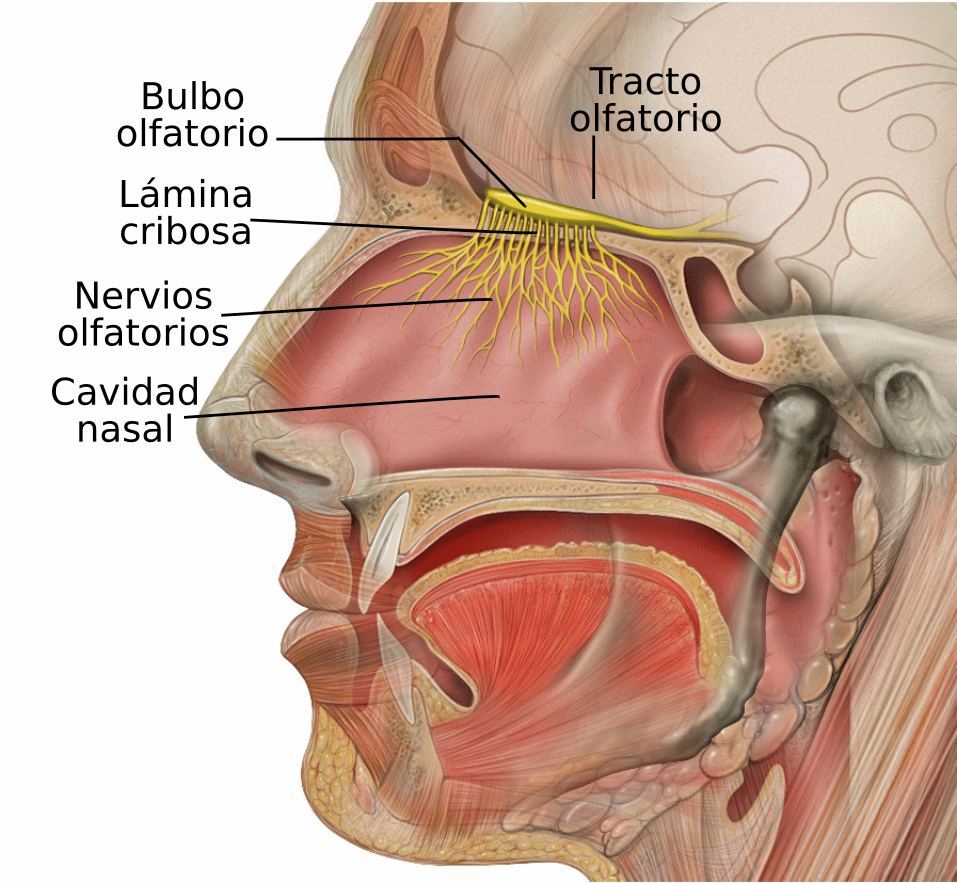
With millions of people losing their sense of smell at roughly the same time, the pandemic created both demand and funding for research into how smell works and what happens when it breaks down. Scientists are now developing a clearer picture of how the olfactory system operates and what its failure means for the rest of the body.
One of the more striking findings coming from that research is the connection between smell and brain health. Evidence is mounting that the sense of smell is tied not just to quality of life but to neurological function more broadly. The olfactory system has direct links to brain regions associated with memory and emotion, and researchers are investigating whether smell loss may serve as an early indicator of certain neurological conditions.
For patients like Kelly, the stakes of that research are immediate. Smell shapes appetite, safety, memory, and emotional experience in ways that only become visible when it disappears. The pandemic brought the condition out of the margins of medicine and into a space where both patients and scientists are pushing harder for answers.