Inflammation is the body's first line of defense against infection, but when it spirals out of control it can cause serious harm. A new study has found previously unknown ways the body activates one of inflammation's key regulators, a protein called STING, opening potential paths for treating a wide range of diseases.
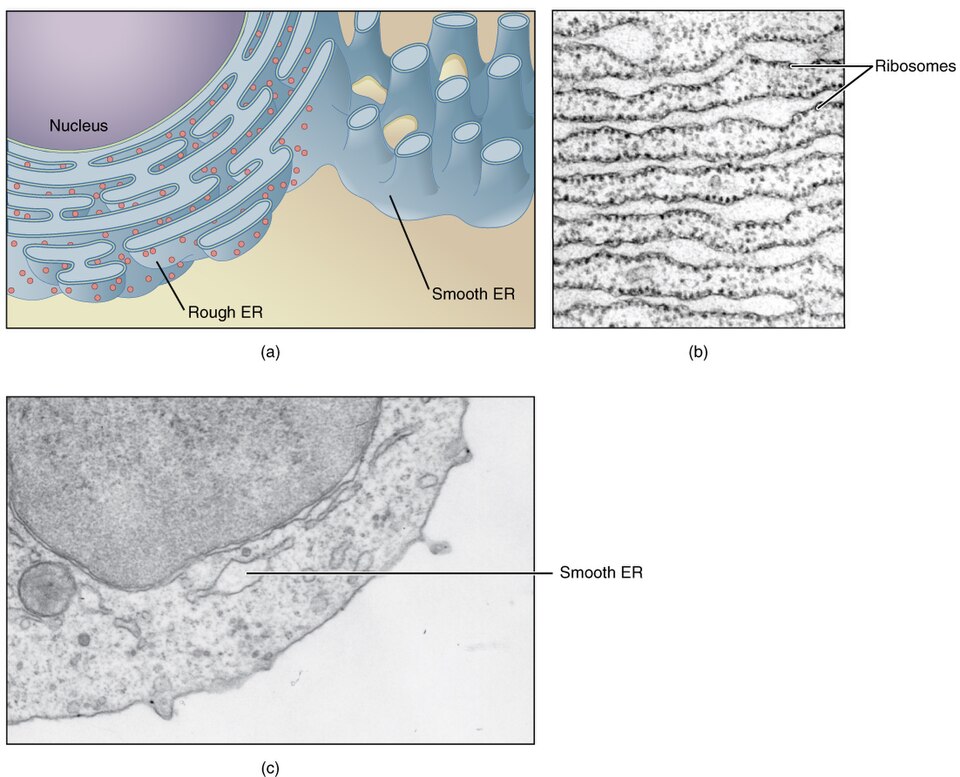
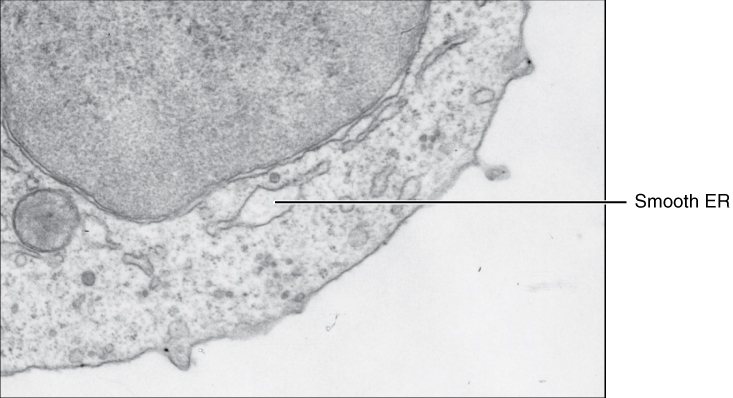
According to Phys.org, STING sits inside the endoplasmic reticulum of human cells and acts as a controller of the inflammatory response. Its activation can either protect the body or trigger a dangerously exaggerated reaction, depending on the type of infection and the condition of the patient. Certain mutations in the STING protein are also responsible for interferonopathies, a type of rare chronic inflammatory disease that occurs most often in children.
STING is best known for sounding an alarm when it detects DNA in the wrong place. DNA normally stays inside the cell nucleus, where it is tightly protected. The researchers used a library analogy to describe how the system works: DNA is like a rare book that never leaves the building. When the cell needs its instructions, it makes a copy in the form of RNA, and only that copy travels outside. If DNA itself appears somewhere it should not be, STING treats it as a sign that something has gone seriously wrong, either cell damage or an invading virus or bacterium, and triggers an inflammatory response.
The new study, published in April 2026, found that STING can be activated through other pathways as well. The full details of those additional mechanisms were not completely available in the source material, but the research adds to a growing understanding that STING's role in the body is more complex than previously recognized.
That complexity matters across a wide range of medical conditions. In cancer treatment, the outcome of STING activation varies depending on the type of cancer. Poor regulation of inflammation has also been linked to coronary illness, cellular aging, and neurodegeneration connected to Alzheimer's and Parkinson's diseases. Inflammation control is also central to immunotherapy and the treatment of autoimmune diseases.
The COVID-19 pandemic made the stakes around inflammation regulation visible in a direct way. In the most seriously ill patients, the disease became severe not primarily because of the virus itself but because of the body's own inflammatory response to it. The treatments that proved most effective in those patients included drugs that worked by inhibiting that excessive inflammatory reaction.
Understanding what turns STING on and what shuts it off is considered essential for preventing or controlling disease-related inflammation. Researchers view the protein as a potential target for therapies aimed at a broad set of conditions where inflammation plays a central role.
The study was published in April 2026. No specific next steps or clinical trials were announced in connection with the findings.