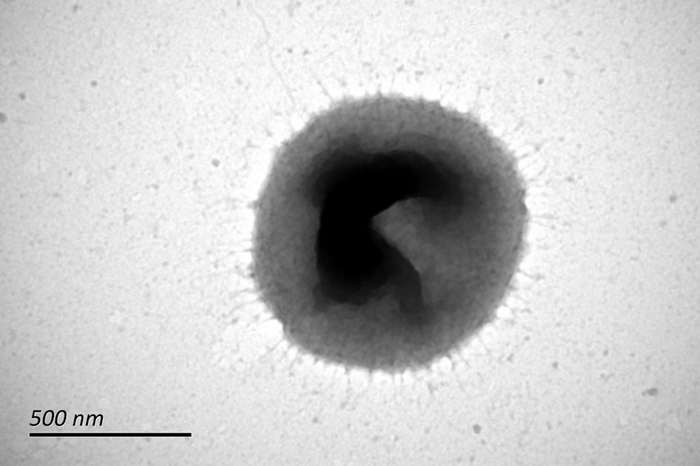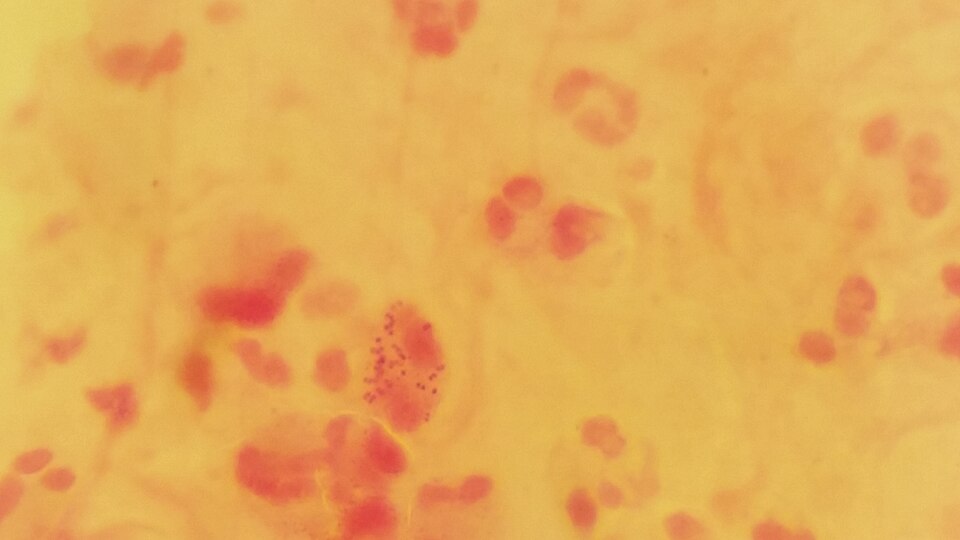
Scientists have found the molecular machinery that lets the bacteria responsible for gonorrhea keep changing its appearance, making it nearly impossible for the immune system to recognize and stop it.
Northwestern Medicine researchers identified a mechanism used by Neisseria gonorrhoeae to evade immune detection and spread infection, according to a study published in the Proceedings of the National Academy of Sciences. Gonorrhea is one of the most common sexually transmitted infections. Without prompt antibiotic treatment, it can cause infertility, sepsis and pregnancy complications.
The key to the bacteria's evasion is a process called pilin antigenic variation. A gene called PilE codes for a protein that forms part of a hairlike structure on the bacteria's surface. By constantly changing the sequence of that protein, the bacteria can avoid being recognized by immune responses that would otherwise stop reinfection.
"This system allows the bacterium to continually change the sequence of the pilin protein so that immune responses are not effective in recognizing this major antigen, pilin, and stopping reinfection," said Hank Seifert, Ph.D., the John Edward Porter Professor of Biomedical Research and senior author of the study.
Until now, the molecular mechanisms driving this process were not well understood. The new research found that two conserved restriction-modification systems break apart certain DNA sequences within a small subset of cells at the pilE gene. That cleavage turned out to be a critical step in the variation process.
The researchers also found a cost. The same cleavage that drives variation also reduced bacterial fitness, meaning the bacteria's ability to survive and adapt in certain environments. Lead author Selma Metaane, a postdoctoral fellow in the Department of Microbiology-Immunology, described the tension. "On one hand, you increase adaptability and on the other you decrease the fitness," Metaane said.
Restriction enzymes were previously understood only as a defense system, used by bacteria to break apart foreign DNA from invading viruses. Finding them doing something else entirely was unexpected. "This study is important because it shows that these two defense modules are there for another purpose: they've been co-opted to do antigenic variation as opposed to the standard role of protecting bacteria from invading bacteriophage viruses or other foreign DNA. So, it's combining two well-established systems that were not known to be linked before," Seifert said.
The findings open a potential new direction for treatment research. If scientists can interfere with the restriction-modification systems driving antigenic variation, it may become possible to make the bacteria visible to the immune system for long enough to stop an infection.