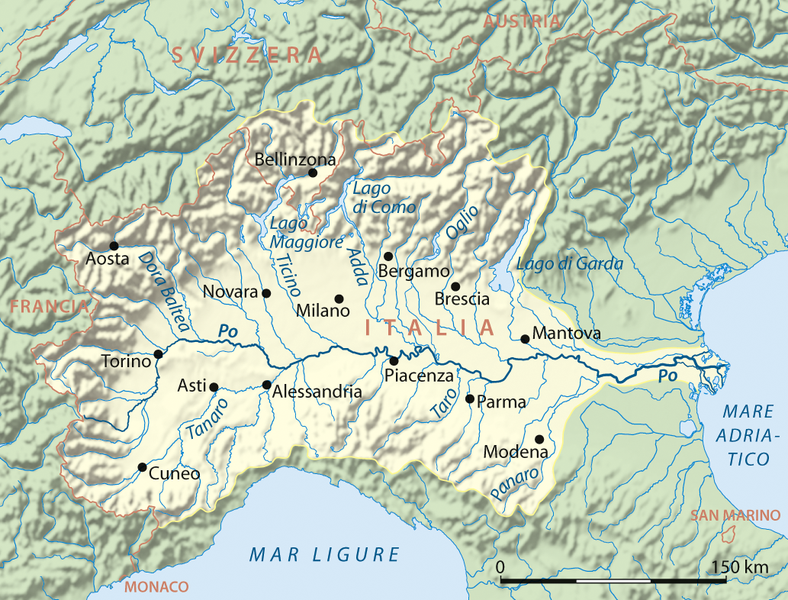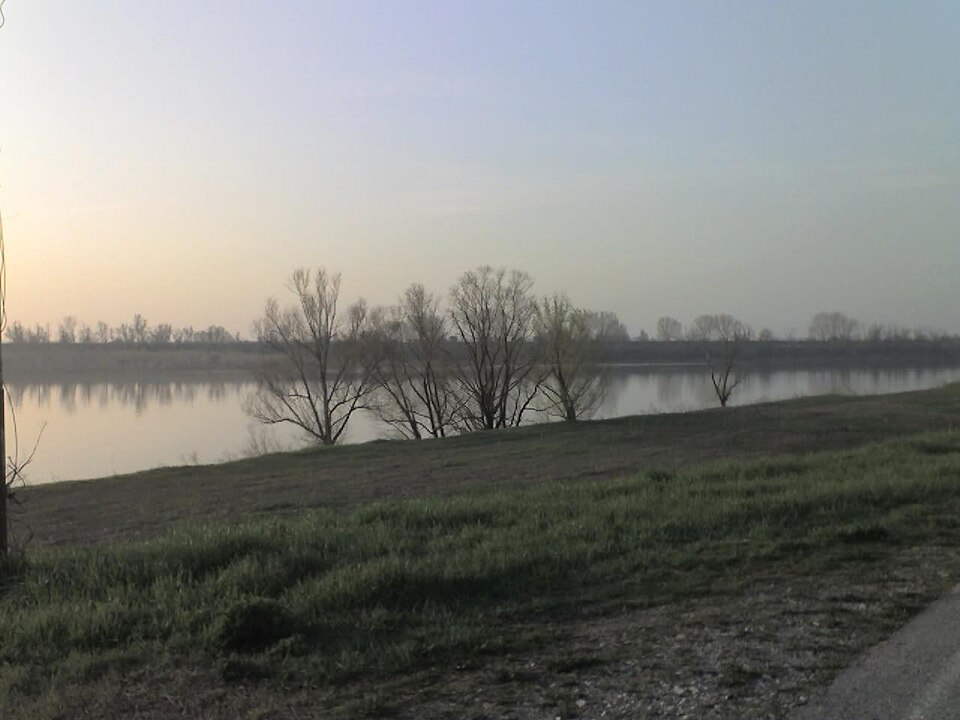
Rowers on the River Po in Turin are navigating dense mats of algae that have blanketed stretches of Italy's longest river since May. A combination of low rainfall, high temperatures, and agricultural runoff has created conditions that experts are calling exceptional.
Roberto Romanini, a 60-year-old rowing coach, described the scale of the problem. "Look at these (plants), if you put your oar in, they wouldn't let it go," he told AFP while four rowers struggled through a patch of green slime. Tearing plants off his motorboat's propeller, Romanini said, "The river is changing, the climate is changing." He added that he had "never seen anything like it."
The Po's flow has dropped 50 percent below its yearly average due to low rainfall and persistently high temperatures in June and July. Despite reduced water volume, dozens of plant species have been blooming. Local species such as Spirogyra, known as mermaid's tresses, and the blanket weed Cladophora have spread alongside the invasive Blitum nuttallianum, or Nuttall's povertyweed, which is native to North America.
Turin Deputy Mayor Francesco Tresso called this year's growth quite exceptional. "It's no longer really a river, but rather a warm lake," he told AFP, noting the water reaches temperatures of 28 degrees Celsius even though the Po originates in the nearby Alps. Tresso said "agricultural nutrients from livestock farms are also dumped throughout the basin, which means that plants find an ideal environment here to thrive."
Alice de Marco, local head of environmental organization Legambiente, said the blooms were driven "above all by excess nutrients" from farms. She said a large part of the solution would be "limiting, reducing, or even eliminating the use of pesticides in agriculture." De Marco also warned that the vegetation has broader ecological consequences. This mass of plants "has an impact on the food chain — it reduces the oxygen level underwater, affecting other plants and animals," she said.
The problem is not limited to the Po. Algae have also spread across Lake Iseo in Lombardy this summer, as well as canals in France and the Ebro River in Zaragoza, Spain, according to a report by Phys.org.
Turin has plans to make the Po a tourist attraction, with two river shuttle services scheduled to resume in 2027 and a renovated park along the riverbank. Before those plans move forward, the city needs to address the algae that have taken over the water.