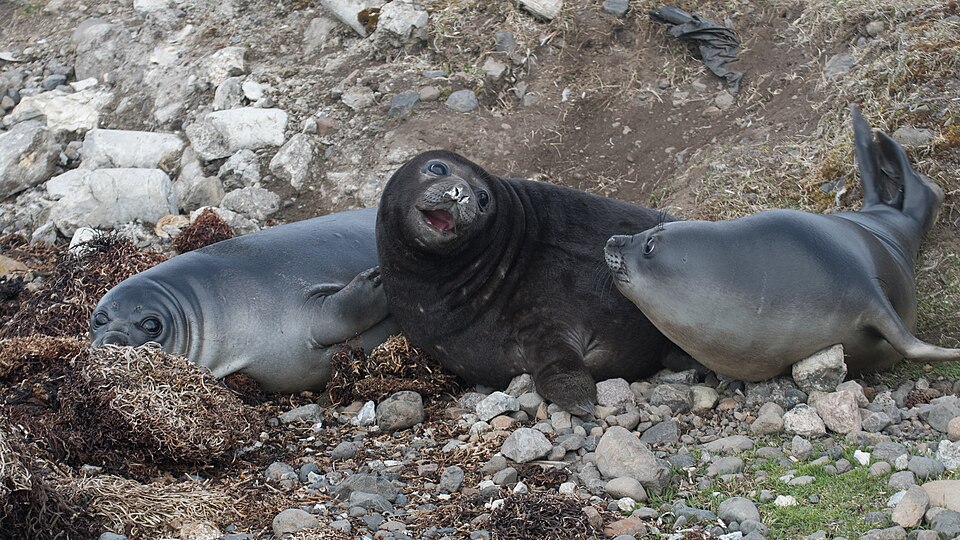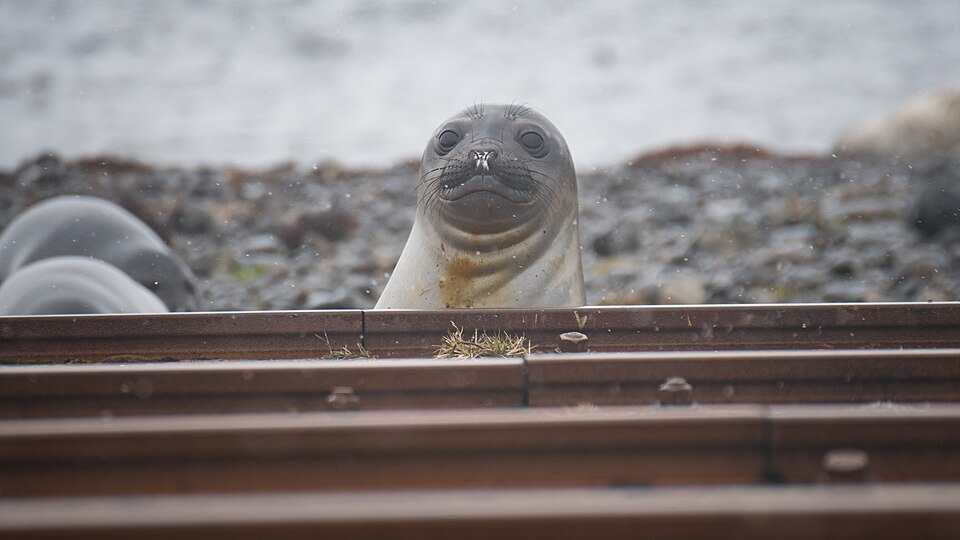
Neil the Seal weighs roughly 1 metric ton, was born on the Tasman Peninsula in October 2020, and has spent the past few years hauling himself over parked cars and chasing pedestrians at Seven Mile Beach in southern Tasmania. He became a social media sensation almost overnight. But marine biologists say what looks chaotic is actually easy to explain.
According to a report by Phys.org, Neil is a 5-year-old male southern elephant seal, the world's largest seal species. He makes an annual trip to Tasmania, which is typical of his kind. Many seal species regularly return to the place they were born, as well as the sites where they breed and rest.
Rest is the central reason Neil keeps showing up on shore. Satellite-tracking studies show southern elephant seals spend months foraging at sea, often traveling thousands of kilometers across the Southern Ocean. When they do come ashore, typically twice a year, they need time to recover. Scientists call these periods haul-outs. Southern elephant seals also go through a catastrophic molt once a year, a process in which they shed their fur and top layer of skin, which means they need additional time on land to replenish their energy.
Disturbing seals during haul-out periods can stress the animals. It can also put both the seal and nearby people in danger.
The viral videos of Neil pushing traffic cones, climbing over cars and chasing people have a simpler explanation than they might appear to have. Young male elephant seals spend years developing their size, strength and behavior in preparation for competing with other males. Once mature, male seals compete for the best breeding spots and for females. Asserting dominance, testing strength and exploring unfamiliar objects are all part of their normal development.
Because Neil was often in the absence of other elephant seals during his visits, he directed these natural behaviors toward whatever was nearby, whether that was a traffic cone, a bollard or a parked car. The people filming him became stand-ins for the rivals and objects he would have engaged with in a more typical environment.
Biologists say that what might appear amusing or threatening from a human perspective is simply normal animal behavior for a young male of his species. Understanding that distinction matters for how people respond when they encounter Neil or other seals in similar situations.
Wildlife managers have noted that approaching seals too closely or attempting to touch or move them creates real risk. Stressed animals can move quickly and unpredictably, and a 1-metric-ton seal is capable of causing serious injury.
Neil's repeated appearances at Seven Mile Beach have given scientists an extended, real-world look at how a young southern elephant seal behaves when he encounters a human-dominated landscape. The case has drawn attention to the broader challenge of managing more frequent interactions between humans and marine wildlife as seal populations and coastal recreation both grow.
Neil is expected to return to Tasmania again, as he has done each year since his birth in 2020.