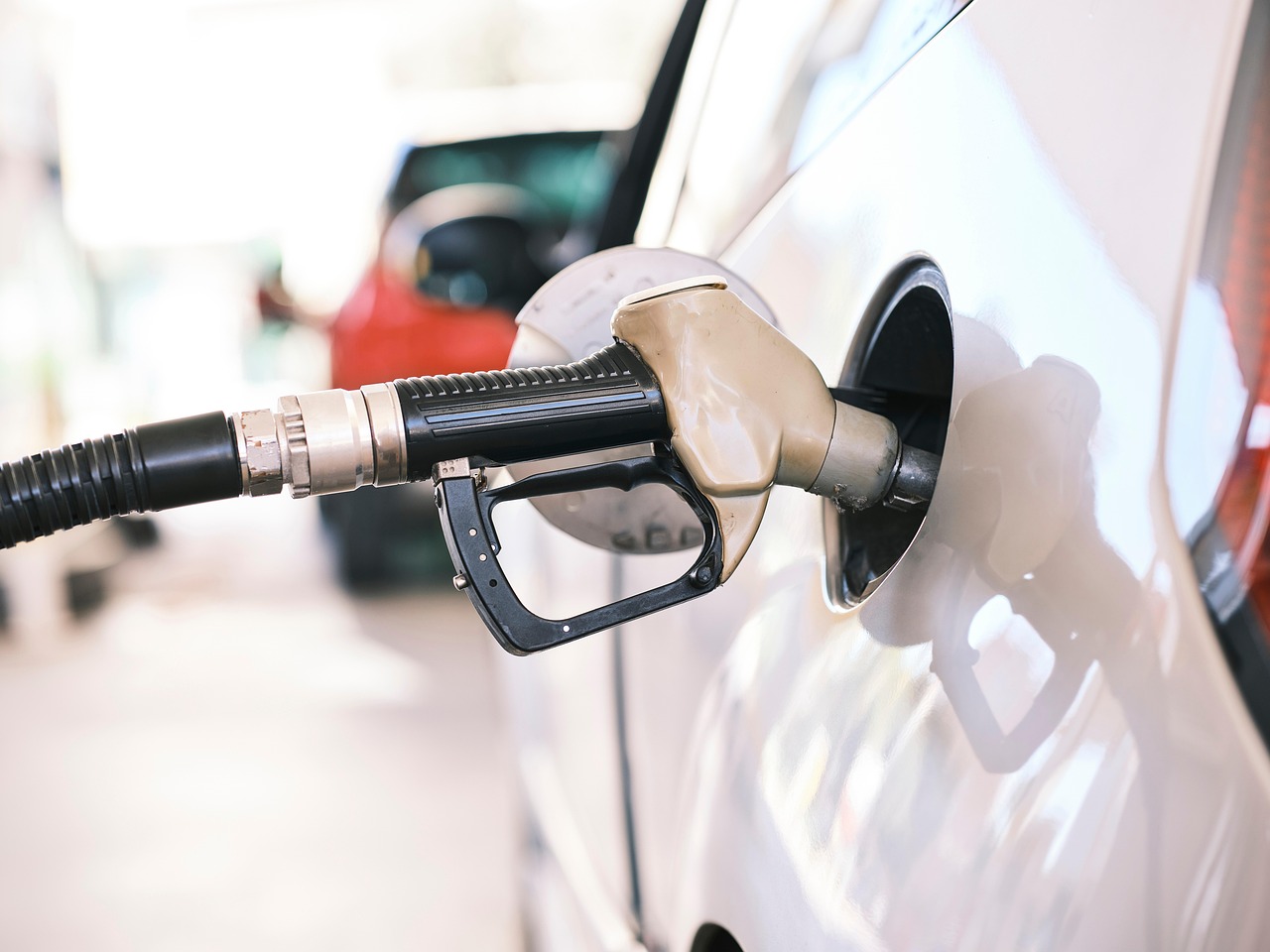
U.S. gas prices climbed back to an average of four dollars a gallon Monday as the United States and Iran exchanged military strikes, pushing oil markets sharply higher. The national average had not reached that level in recent weeks, but prices moved upward after renewed fighting disrupted expectations of a stable ceasefire.
According to the AP, oil prices surged more than 15% in a single week as the conflict intensified. AAA confirmed the four dollar average, a threshold that typically draws attention from consumers and policymakers alike.
The fighting broke out roughly 30 days after a memorandum of understanding between the U.S. and Iran had appeared to pause hostilities. Al Jazeera reported that the renewed conflict has produced some of the worst fighting in months, with U.S. airstrikes drawing Iranian retaliation and fresh attacks spreading across the Gulf region. Tensions over the Strait of Hormuz, through which a significant share of the world's oil supply travels, intensified alongside the military exchanges.
The Strait of Hormuz sits at the center of the economic concern. Any disruption to shipping through the waterway has the potential to tighten global oil supplies quickly, and markets responded accordingly as the fighting resumed. Al Jazeera's reporting raised questions about whether the memorandum of understanding has effectively collapsed and what comes next for both sides.
The price jump at the pump arrives as Americans are already navigating elevated costs across a range of consumer goods. At four dollars per gallon, the national average sits at a level that has historically prompted political pressure and shifts in consumer driving habits.
No ceasefire announcement had been made as of Monday.