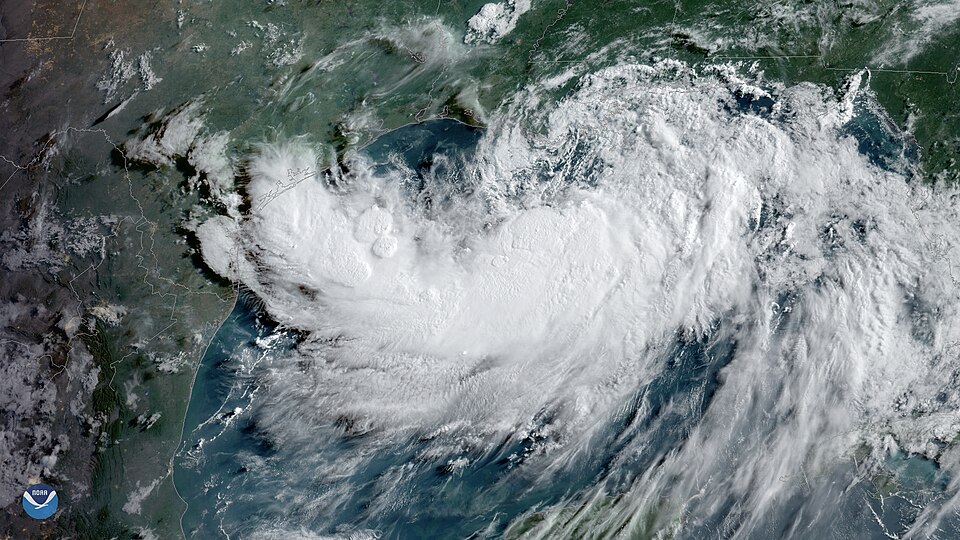
Tropical Storm Bertha was gaining strength early Tuesday morning, pushing toward the northern Gulf Coast with the potential to bring heavy rain, flash flooding and storm surge to a wide stretch of coastline from Florida to Louisiana.
As of 5 a.m. ET Tuesday, the storm was in the northeastern Gulf of Mexico, moving northwest at 5 mph with maximum sustained winds of 50 mph. Forecasters said it could strengthen further before gradually weakening through the middle of the week. According to CBS News, Bertha is the second named storm of the 2026 Atlantic hurricane season.
The National Hurricane Center said the storm's track would bring it close to or along the northern Gulf Coast over the next several days. "A slow northwestward to west-northwestward motion is expected today followed by a turn westward by the middle part of this week," the agency said. "On the forecast track, Bertha will move near or along the northern Gulf Coast during the next several days."
A Tropical Storm Warning was in effect Tuesday stretching from the Alabama-Florida border westward to the Jefferson-Plaquemines Parish border in Louisiana. Tropical Storm Watches covered the Florida Panhandle from the Bay-Gulf County line to the Alabama border, as well as areas west of the Jefferson-Plaquemines Parish border to Morgan City, Louisiana, and the New Orleans metro area, including Lake Pontchartrain and Lake Maurepas.
A Storm Surge Watch was also in effect from the Alabama-Florida border to the mouth of the Mississippi River.
The hurricane center warned that tropical storm conditions could reach the warning area along the northern Gulf Coast by late Tuesday into Wednesday. "Tropical storm conditions are possible in the watch area in the Florida Panhandle later today," the agency said. "Tropical storm conditions are possible within the watch area in Louisiana by late tonight into Wednesday."
Forecasters said rainfall could reach up to 6 inches in some areas. Rain was expected to continue through the week across the Gulf Coast and inland areas from western Florida to the Texas coast. Parts of Alabama, Mississippi and Louisiana all face the potential for flash flooding. Storm surge could push water levels up to 4 feet above normal in some coastal locations.
Bertha arrives weeks after Tropical Storm Arthur, the season's first named storm, which made landfall in June along the Gulf Coast of Texas.