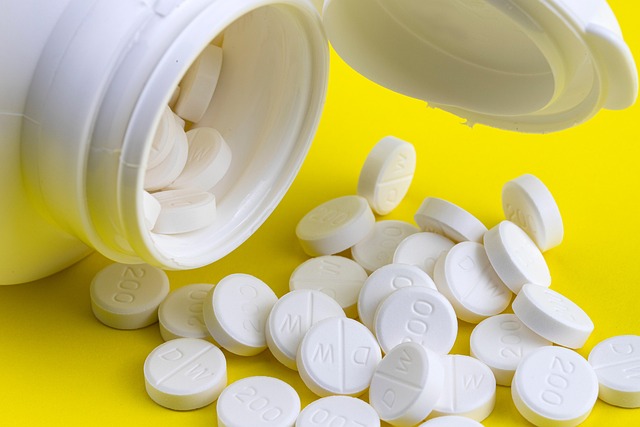
A combination of over-the-counter allergy and acid-reducing medications has gone viral on social media as a supposed remedy for menopause symptoms. The mix, now being called the "menopause cocktail," typically includes antihistamines such as fexofenadine, sold as Allegra, or cetirizine, sold as Zyrtec, paired with an acid reducer like famotidine, sold as Pepcid. Women sharing their experiences online report relief from hot flashes, brain fog, anxiety, and fatigue.
Some have also reported that the combination eases symptoms of premenstrual dysphoric disorder, including mood changes, headaches, and bloating. The anecdotal accounts have spread widely, but according to reporting by Healthline, medical experts are urging caution.
"This trend is not supported by any high quality evidence and carries real risks, particularly with long-term and unsupervised use," said Kecia Gaither, MD, double board certified in OB-GYN and maternal fetal medicine specialist and associate professor of clinical obstetrics and gynecology at Cornell Weill Medicine.
The biological reasoning behind the trend involves histamine. As estrogen and progesterone levels drop during menopause, histamine levels can become harder for the body to regulate. Histamine plays a role in thermoregulation and in the vasomotor symptoms, such as hot flashes and night sweats, that many women experience. Some older research explored antihistamines as a treatment for hot flashes, but that work dates back decades.
Gaither noted that histamine plays a role in thermoregulation and in vasomotor symptoms in animal models, but said that "modern second-generation antihistamines have not been rigorously tested in clinical trials for the relief of menopausal symptoms." The antacid component of the cocktail, famotidine, belongs to a class of drugs called H2 receptor blockers. These reduce stomach acid secretion but are not known to meaningfully affect the central thermoregulatory pathways involved in hot flashes.
Haleigh Larson, MD, director of partnerships at Clair Health, acknowledged some biological basis for the idea but drew a clear line. "There's some biological basis here, but it's important to note this hasn't been satisfactorily evaluated in clinical studies specific to this population of women in menopause," she said.
Major medical organizations have not endorsed the approach. "Major guidelines (ACOG, Menopause Society) do not recommend histamines as standard therapy for hot flashes and other menopausal symptoms," Gaither said. Both organizations represent leading authorities in obstetric and gynecological care in the United States.
Experts also raised concerns about what long-term use of these medications without supervision could hide. Any medication, whether sold over the counter or by prescription, can carry risks when used outside its intended purpose, particularly without a doctor's involvement. Masking symptoms without treating an underlying cause is one concern that physicians have pointed to.
The persistence of the trend reflects something real about gaps in menopause care. Many women report that their symptoms are undertreated or dismissed, which can push them toward unproven alternatives found online. Evidence-based treatments do exist for managing menopause symptoms, and doctors say those remain a safer option than self-directed cocktails of repurposed medications.