A discarded SpaceX rocket stage is set to slam into the moon on Wednesday at 5,400 mph, roughly seven times the speed of sound. The collision is unintentional. The rocket launched a pair of private lunar landers in January 2025 and has been drifting ever since.
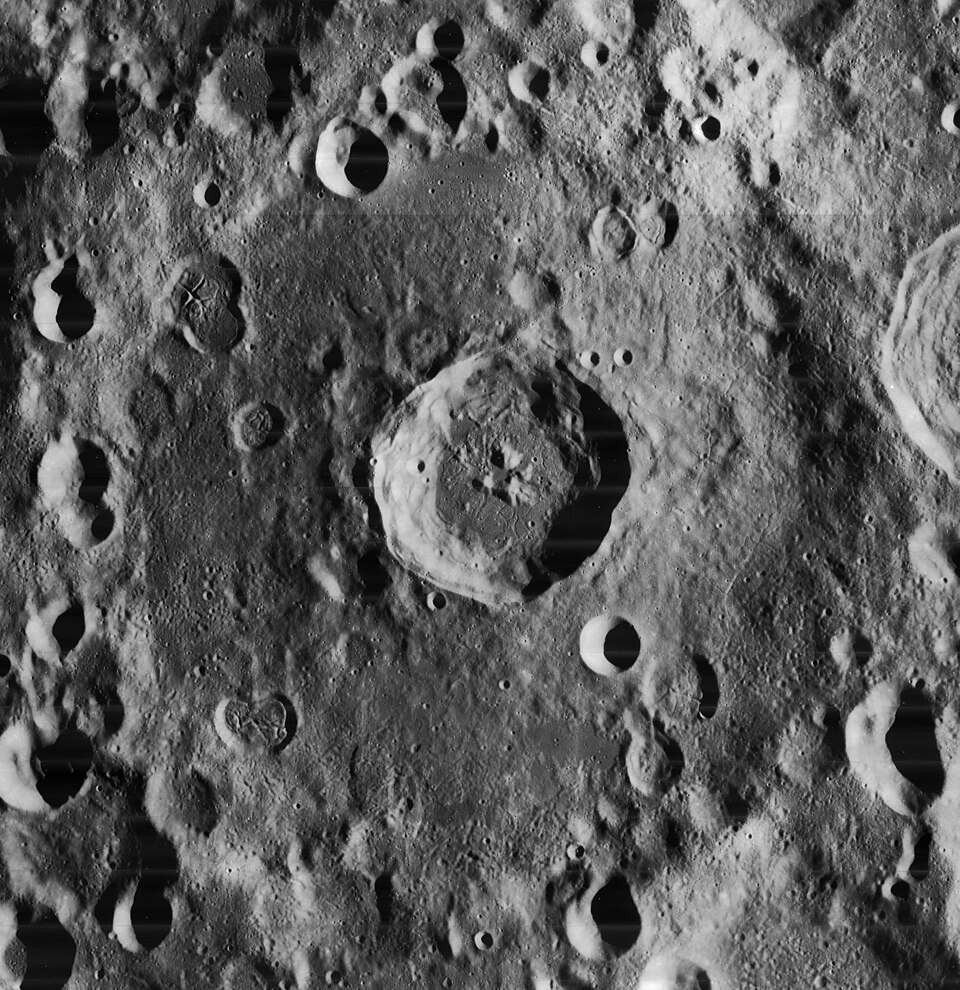
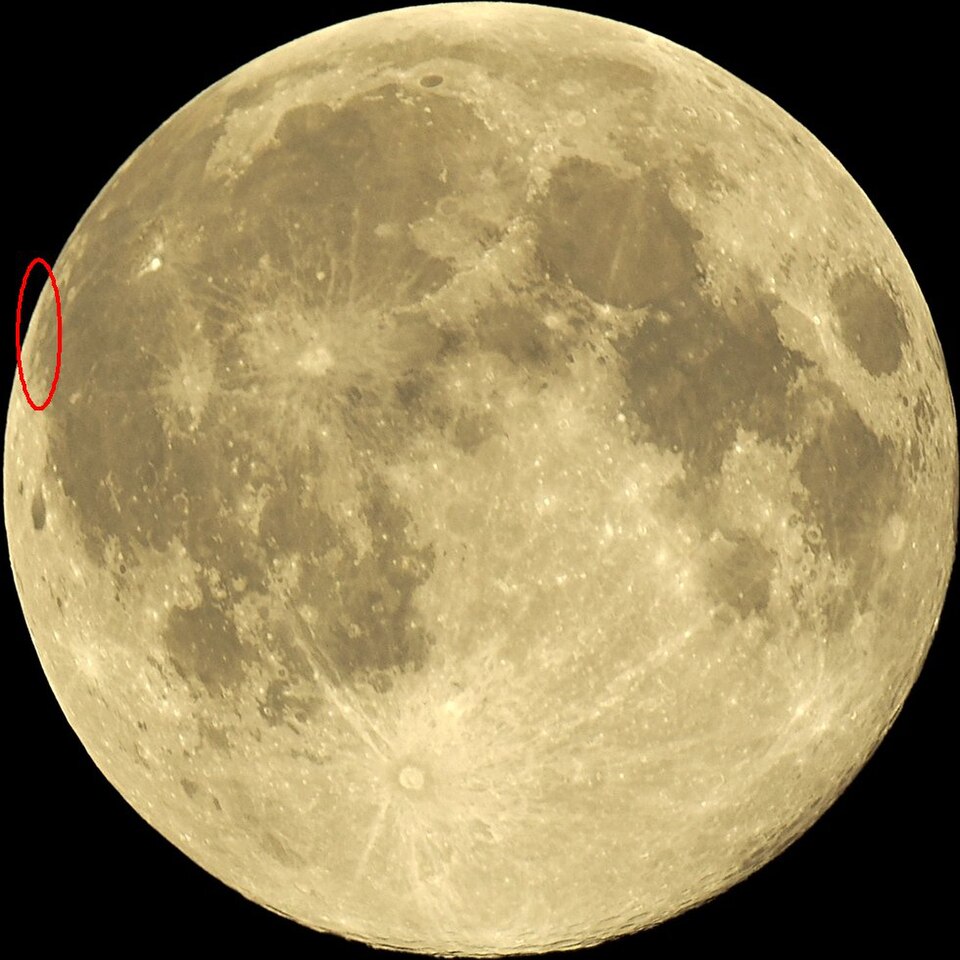
Space tracking expert Bill Gray predicts the impact will occur near Einstein Crater on the moon's sunlit western limb. He is planning to watch the aftermath from New Brunswick, Canada. The eastern United States and Canada, along with much of South America, should have the best views in the early morning hours.
The rocket's upper stage measures about 40 feet long and weighs around 10,000 pounds. According to ABC News, it will hit with the force equivalent to three tons of TNT. The impact flash will last less than a second and will likely be too dim for the naked eye, but the plume of ejected material could stretch several miles into space and remain visible through telescopes for tens of minutes.
Benjamin Fernando of Los Alamos National Laboratory said the moon's low gravity and lack of wind make the event scientifically useful. "The gravity on the moon is low and there is no wind to blow the dust away," he said. Fernando added that "part of the reason for our interest in this event is to figure out how much of a hazard debris impacts pose to future astronauts."
Fernando and his team expect the crash to carve out a crater nearly 90 feet across and 16 feet deep. That is too small to see from Earth but within range of orbiting spacecraft. NASA's Lunar Reconnaissance Orbiter and South Korea's Danuri lunar orbiter will capture before-and-after images of the impact site. Danuri is expected to pass within a mile or two of the rocket just two minutes before impact.
This will be the second known case of a dead rocket accidentally striking the moon. A Chinese rocket segment hit the lunar far side in 2022, leaving a pair of craters. This time the impact is happening on the near side, which makes observation significantly easier for astronomers on Earth.
Gray noted the crash could have been avoided if the upper stage had been steered into orbit around the sun after completing its mission. Instead, it remained in a chaotic Earth-moon orbit and gradually drifted toward a collision. "Things are getting crowded up there," he said.
The two lunar landers the rocket originally carried had mixed results. Firefly Aerospace's Blue Ghost became the first private spacecraft to complete a fully successful lunar landing. The second lander, built by Japan-based ispace, crashed on arrival.
Scientists say they are not deeply concerned about this particular piece of debris, but the event draws attention to a broader issue as more rockets and satellites crowd orbital space around Earth and the moon.