For the first time, scientists in Brazil have identified bacteria that cause columnaris disease in farmed fish raised for human consumption. The bacteria, from the genus Flavobacterium, had previously only been detected in fish farms in Asia and the United States.
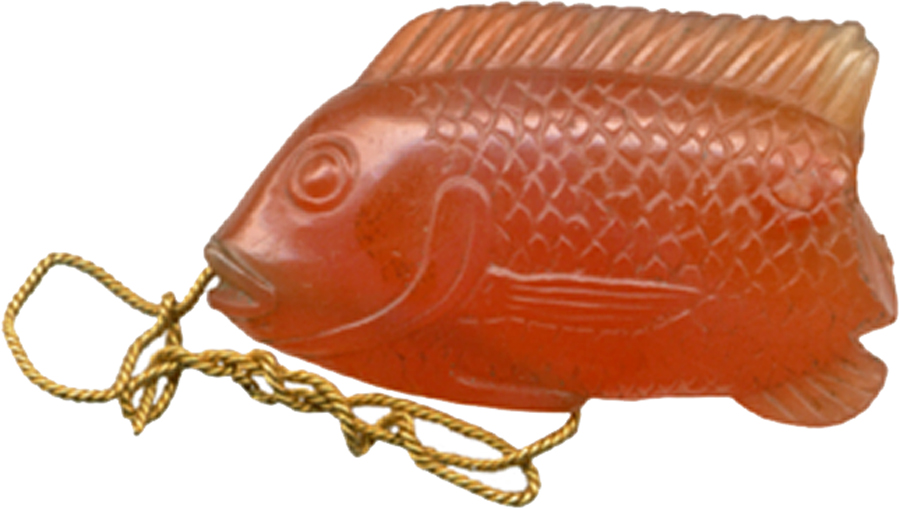
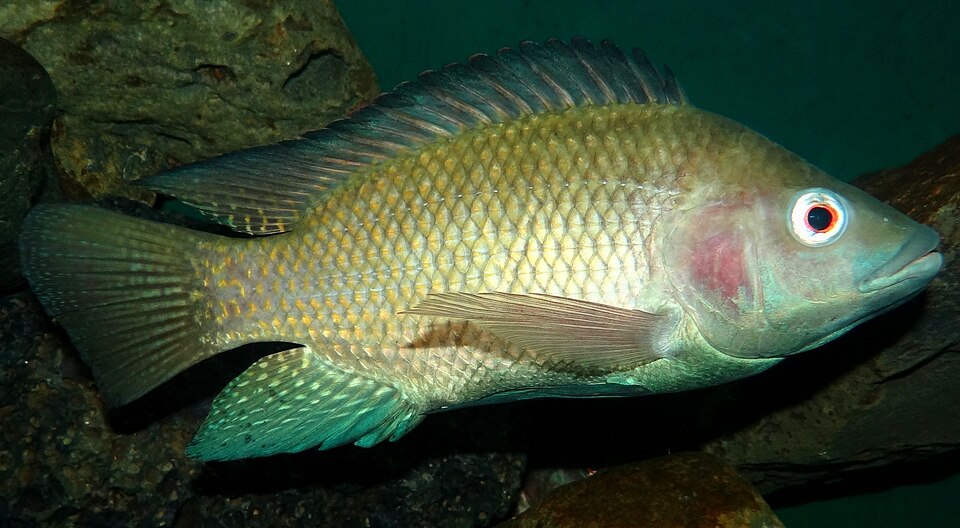
According to Phys.org, the disease primarily strikes farms raising Nile tilapia, also known commercially as Saint Peter. But the new study found the pathogen spreading beyond tilapia into native Brazilian species, including tambaqui, pacu, and Amazon spotted catfish. The findings were published in the journal Microbial Pathogenesis and included authors from Zambeze University in Mozambique.
Columnaris disease causes whitish lesions on the skin and fins of infected fish, along with necrosis in the gills. The bacteria move through fish tissue quickly. "The bacteria feed on epithelial cells and kill the fish within a few days, especially larvae and fry," said Fabiana Pilarski, a professor at the Aquaculture Center of São Paulo State University, known as CAUNESP, who supervised the research.
The study isolated 11 strains of Flavobacterium from infected fish. Six of those were Flavobacterium oreochromis, a species that had previously only been known to infect tilapia in Brazil. Finding it in native fish raised for consumption marked a significant expansion of its known host range.
One finding stood out even more. Researchers detected Flavobacterium davisii in an Amazon spotted catfish for the first time. "This case shows that the bacterium can also infect Siluriformes, a different order of fish from those it usually colonizes, which broadens the range of potential hosts for this pathogen," said Daniel de Abreu Reis Ferreira, the study's first author. Ferreira conducted the research with a scholarship from FAPESP during his doctoral studies at CAUNESP in Jaboticabal.
Identifying the bacteria in the field is not straightforward. "The initial identification of bacteria of this genus is done through visual examination of the colonies under a microscope. But since these microorganisms glide through the culture medium, depending on the medium used, the colony can become transparent and almost invisible. Therefore, extra care is needed during visual examination," Ferreira said.
Until recently, the four species of Flavobacterium now identified in the study were considered a single species: Flavobacterium columnare, the organism that gives the disease its name. Separating them into distinct species has changed how researchers understand the disease and how it spreads.
The study also found that the pathogens arriving from Asia and the United States have adapted to Brazil's climate. That adaptation makes the spread harder to contain and raises concerns about how widely the disease could move through Brazilian aquaculture. Brazil is one of the world's largest producers of farmed tilapia, and the industry has been growing steadily.
Researchers said the findings point to the need for stronger epidemiological surveillance across Brazilian fish farms and for the development of vaccines targeting these specific strains before the disease spreads further through the country's aquaculture sector.