

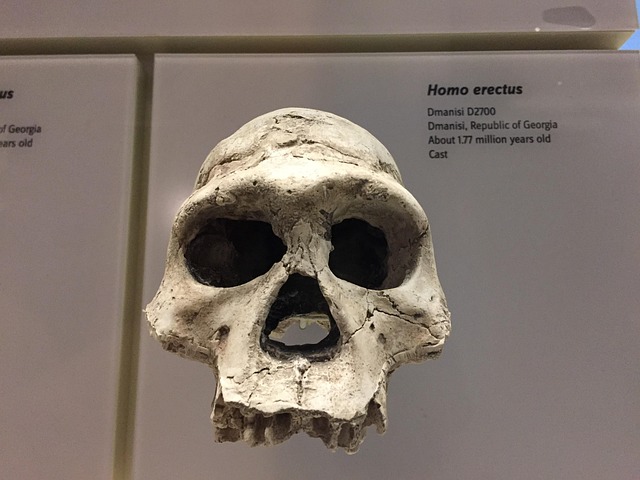
A third ancient human lineage appears to have interbred with our ancestors before modern humans ever left Africa. Researchers have found traces of its DNA in human genomes, but no bones or fossils from this group have ever been found. Scientists are calling it a ghost lineage.
According to Ars Technica, the discovery builds on what scientists already knew about two other ancient relatives: Neanderthals and Denisovans. DNA from those two groups had already been found in modern human genomes. On average, many people carry about 2 percent Neanderthal DNA. But that figure comes with a catch. No two individuals are guaranteed to share the same 2 percent. The DNA is scattered differently across different people.
That complexity made it harder for researchers to spot signs of additional interbreeding. But as scientists began working with larger collections of genomic data, strange patterns kept appearing. They pointed to something that was not Neanderthal. They were not Denisovan either. The signal was there, but it was difficult to pin down.
Now, using newly developed analytical techniques, a group largely based at Berkeley has found evidence that this third lineage was real. Their analysis suggests modern humans interbred with this group sometime before any of our ancestors migrated out of Africa. That would make the interbreeding event older than the encounters with Neanderthals and Denisovans, which happened after modern humans had already spread into Europe and Asia.
The tools that made this finding possible come from advances in genomic analysis. Any location in a person's genome carries a record of both common descent and random mutations. But that record gets scrambled over time by a process called recombination, where pairs of chromosomes swap segments of DNA. Separating out what came from where requires methods that can track those shuffled segments across many individuals and many generations.
What researchers cannot yet do is identify the source group directly. There is no ancient skeleton. There is no extracted genome from a fossil. Whatever population contributed this DNA has left no known physical remains. That is what makes it a ghost. Scientists can see the shadow it cast in living human DNA, but the group itself has never been found.
The earlier hints of this lineage had appeared before in the scientific literature, but they could not be confirmed without the right tools. Knowing the specific signatures of Neanderthal and Denisovan DNA in human genomes helped researchers build better methods for spotting what did not match either. That process of elimination is what made the ghost lineage visible.
The finding adds new complexity to the story of human evolution. For years, the narrative centered on two known interbreeding events. This new evidence suggests a third event, older and African in origin, also shaped who we are genetically. The research raises questions about what other ancient groups may have existed and whether any physical evidence of them survives anywhere, waiting to be found.